
'One of Australia’s leading universities, Deakin has strong global connections and delivers world‑class research across our faculties, institutes and research centres.'
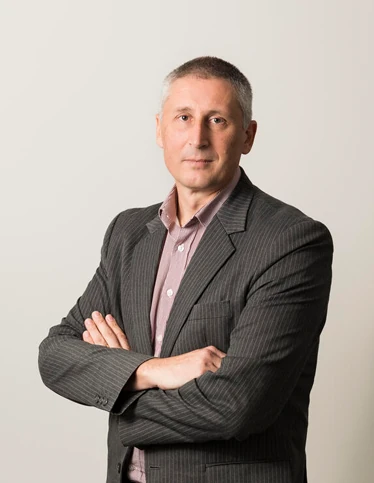
Professor Iain Martin
Deakin University Vice-Chancellor

#5 in Australia for research quality
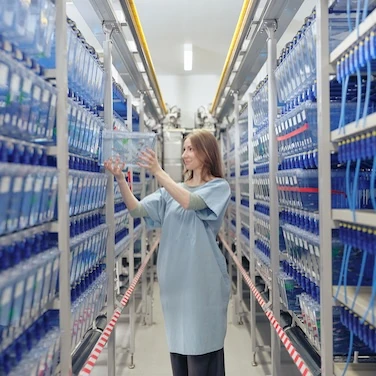
Working in our world-class research facilities across more than 100 institutes, centres and groups, our researchers have exceptional opportunities to create an impact. Backed by over 2,000 experts and strong industry partnerships, our researchers are driving progress – from smarter technologies and better health outcomes to sustainability, global security and a more just, vibrant world.
Join a global postgraduate research community. Browse our range of research degrees, find a scholarship, look for a supervisor and learn how to apply.
Learn about our five key research strengths and how our researchers are creating positive change for communities and industries. These focus areas guide our research priorities and bring together expertise to address complex challenges.
'One of Australia’s leading universities, Deakin has strong global connections and delivers world‑class research across our faculties, institutes and research centres.'
Professor Iain Martin
Deakin University Vice-Chancellor
Join 500+ organisations across 65 countries partnering with Deakin to access leading researchers, advanced facilities and groundbreaking research.
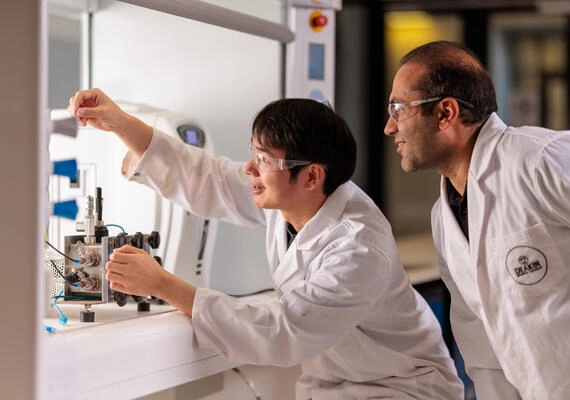
Discover how Deakin researchers are creating solutions that advance knowledge, improve lives and protect our planet. Hear from Deputy Vice-Chancellor Research and Innovation, Matthew Clarke, about the impact of our five research strengths.
Whether you're early in your research career or a leader in your field, you’ll benefit from expert guidance around funding, partnerships and research integrity, along with tailored researcher development opportunities. Discover how Deakin continues to support you beyond your degree and into the next stage of your research journey.



Deakin references data from a range of government, higher education and reputable media sources. For more information, visit our University rankings page.
Join a community of more than 2,000 world-leading research experts dedicated to making a difference. Contact us with any questions about research at Deakin.