Counselling
-
About our service
We provide free, short-term counselling to all current students. Find out what to expect from an appointment.
-
Our locations
Counselling and Psychological Support teams are located in Deakin's Health and Wellbeing Centres. Find your campus location.
-
Our counsellors
Our team of psychologists and social workers includes specialised counsellors for First Nations, medicine, and nursing and midwifery students.
-
Counselling student portal FAQs
How to access confidential documents and forms, update your personal details and manage your appointments in our booking portal.
-
Online advice with Ask Counselling
Student questions on a range of emotional and psychological issues, answered by our counsellors.
-
Wellbeing Live Chat
Chat to our team online about how you're feeling and receive real-time advice about your mental health.
-
Counselling for GIFT City Campus students
We offer Deakin GIFT City Campus students free and confidential online mental health support.
-
Struggling with social anxiety?
Listen to our podcast where Deakin counsellors outline some simple strategies for coping with social anxiety.
-
Support for autistic students with Navigate
Navigate pairs experienced, friendly student mentors with participants with Autism Spectrum Disorder (ASD) to support their transition to uni.
-
Browse our health and wellbeing topics
View our extensive A-Z range of wellbeing topics, self-help tips, and resources with links to internal and external services.
-
A holistic view of wellbeing at Deakin
This is your wellbeing hub – a collection of resources, events and services that support and enable you at Deakin.
Seeking supporting documentation?
Learn how to get supporting documents for University processes. Find out the available options and get the assistance you need.
After-Hours Mental Health Support Line
Call 1300 239 002
Text 0485 829 309
This service offers students immediate relief and emotional support between 5pm–9am weekdays, and 24hrs across weekends, public holidays and University shutdown.
Please note this is not an emergency response service. In an emergency, please call Triple Zero (000), and if on campus, call Deakin Security on 1800 062 579.
External after hours support
Telephone counselling 13 11 14
Open 24 hours, 7-days-a-week
Support chat
Open 7pm–4am, 7-days-a-week
Sexual assault and family/partner violence crisis counselling
Telephone counselling 1800 737 732
Open 24 hours, 7-days-a-week
Online counselling
Open 24 hours, 7-days-a-week
Telephone counselling 1300 22 4636
Open 24 hours, 7-days-a-week
Chat
Open 3pm–12am, 7-days-a-week
For ages 12–25
Telephone counselling 1800 650 890
Open 3–10pm, 7-days-a-week
Chat
Open 3–10pm, 7-days-a-week
One-on-one phone yarning opportunity and support with a trained Lifeline Aboriginal & Torres Strait Islander crisis supporter for mob who are feeling overwhelmed or having difficulty coping.
Telephone counselling 13 92 76
Open 24 hours, 7-days-a-week
You may also be interested in
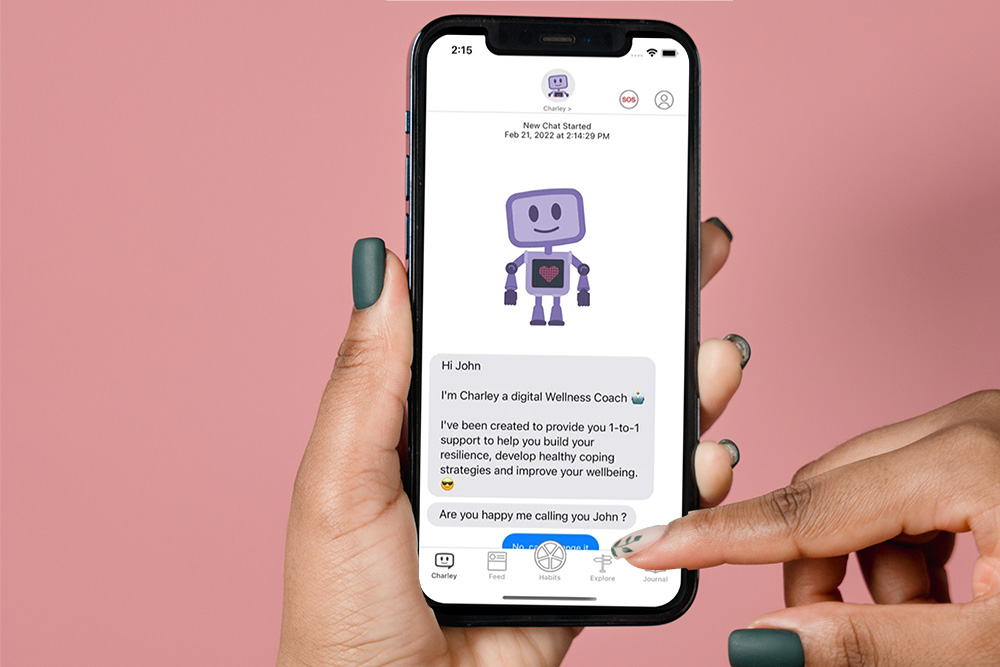

Need emotional support after hours?
-
Call1300 239 002
- 0485 829 309
Student Services and Amenities Fees
Resources, services, activities and experiences that enrich your Deakin journey.