

Disability Resource Centre

The DRC is Deakin's Disability Resource Center.
We're here to provide information and services to any student with a disability, health, or mental health condition that is affecting their study or participation in university life.
There are a lot of reasons why you might want to register for support from the Disability Resource Center.
You might have periods of time where studying is very difficult. This could be for a longer term health reason, like depression, chronic fatigue syndrome, or recovery from an injury. Perhaps you have a learning disability and could benefit from an alternate approach to your learning. Maybe you need an Auslan sign interpreter in your class. You might have a temporary injury and are having trouble doing your exams or getting to class.
Whatever your personal situation, the DRC is here to provide you with support that suits you. We can provide a range of support that will assist you to study successfully and participate in university life.
We can provide assistance like talking to academic staff about your needs or providing study materials in accessible formats. We can also support you with access to assistive technology or changes to exam arrangements and much more.
When you register with the Disability Resource Center, you'll meet your Disability Liaison Officer, who you can talk to on the phone or in person. They'll work with you to create an access plan to help reduce any educational barriers you may experience as a result of your particular situation.
Your plan will be regularly reviewed or you can make time to check in with the DRC whenever needed.
Requesting support is easy. We just need some information and supporting documents from an appropriate professional like your doctor or counsellor. There's a form on our website that will guide you through the documents we need to see. Contact the Disability Resource Center and learn more about the support available to you.
The DRC is Deakin's Disability Resource Center.
We're here to provide information and services to any student with a disability, health, or mental health condition that is affecting their study or participation in university life.
There are a lot of reasons why you might want to register for support from the Disability Resource Center.
You might have periods of time where studying is very difficult. This could be for a longer term health reason, like depression, chronic fatigue syndrome, or recovery from an injury. Perhaps you have a learning disability and could benefit from an alternate approach to your learning. Maybe you need an Auslan sign interpreter in your class. You might have a temporary injury and are having trouble doing your exams or getting to class.
Whatever your personal situation, the DRC is here to provide you with support that suits you. We can provide a range of support that will assist you to study successfully and participate in university life.
We can provide assistance like talking to academic staff about your needs or providing study materials in accessible formats. We can also support you with access to assistive technology or changes to exam arrangements and much more.
When you register with the Disability Resource Center, you'll meet your Disability Liaison Officer, who you can talk to on the phone or in person. They'll work with you to create an access plan to help reduce any educational barriers you may experience as a result of your particular situation.
Your plan will be regularly reviewed or you can make time to check in with the DRC whenever needed.
Requesting support is easy. We just need some information and supporting documents from an appropriate professional like your doctor or counsellor. There's a form on our website that will guide you through the documents we need to see. Contact the Disability Resource Center and learn more about the support available to you.
-
Learn about the variety of services we offer and which ones you may be eligible for.

-
How to request support from us, including the documentation you need to provide.
-
Read common questions and answers from students about the disability support we offer.

-
If you already have an Access Plan, learn about your responsibilities and how to request a review.


Browse our resource library
Not all students feel comfortable reaching out for help – we get it! – so we have created a comprehensive set of tools, information, tips and resources for some common conditions or disabilities. We hope you find these resources helpful, and we always welcome ideas about what else you think may help.
ADCET and the Australian Disability Network
Explore these valuable resources for students, educators and carers.
Assistive technology resources
Download tools that enhance accessibility and promote independence in the digital learning space.
Blind or vision impaired
Hear from students living with vision loss to learn how to navigate Deakin systems and prepare for study.
Deaf and hard of hearing
Tips for students experiencing hearing loss that will help you navigate learning materials, assessments, university events and other aspects of university life.
Mental health
Good mental health is important. Make an appointment with our counselling team or browse articles on a range of topics.
Neurodiversity: ADHD
Having ADHD can present a variety of challenges when studying: learn tips and ideas that may help.
Neurodiversity: Autism
Our Navigate program pairs experienced, friendly student mentors with students with autism to support their transition to Deakin.
On-campus facilities and accessibility
We’re committed to providing access for all to our campuses and facilities, including accessible parking, reset rooms for self-regulation, and parents’ rooms.
Orientation for students with sensory needs
We offer a range of low-sensory events and resources for commencing students, as well as sensory-friendly options such as quiet hours, reset spaces, self-guided tours and videos
Specific learning differences
Dyslexia, dysgraphia and other learning differences can make study difficult. Explore some tips and tools that may support your learning.
Student support services
Access our comprehensive range of support services. Use them in conjunction with your Access Plan, or independently to achieve your best.
Visit us on campus
Melbourne Burwood
Building B
B2.03.02Drop in hours:
Monday to Friday, 9am–4pm
Geelong Waurn Ponds
Building JB
Room 2.314Drop in hours:
Monday to Friday, 9am–4pm
Geelong Waterfront
Building D
Level 2, located in Student CentralDrop in hours:
Monday to Friday, 9am–4pm
Warrnambool
Building B
Located in Deakin Medical CentreDrop in hours:
Please contact the DRC for Warrnambool campus drop in hours for details.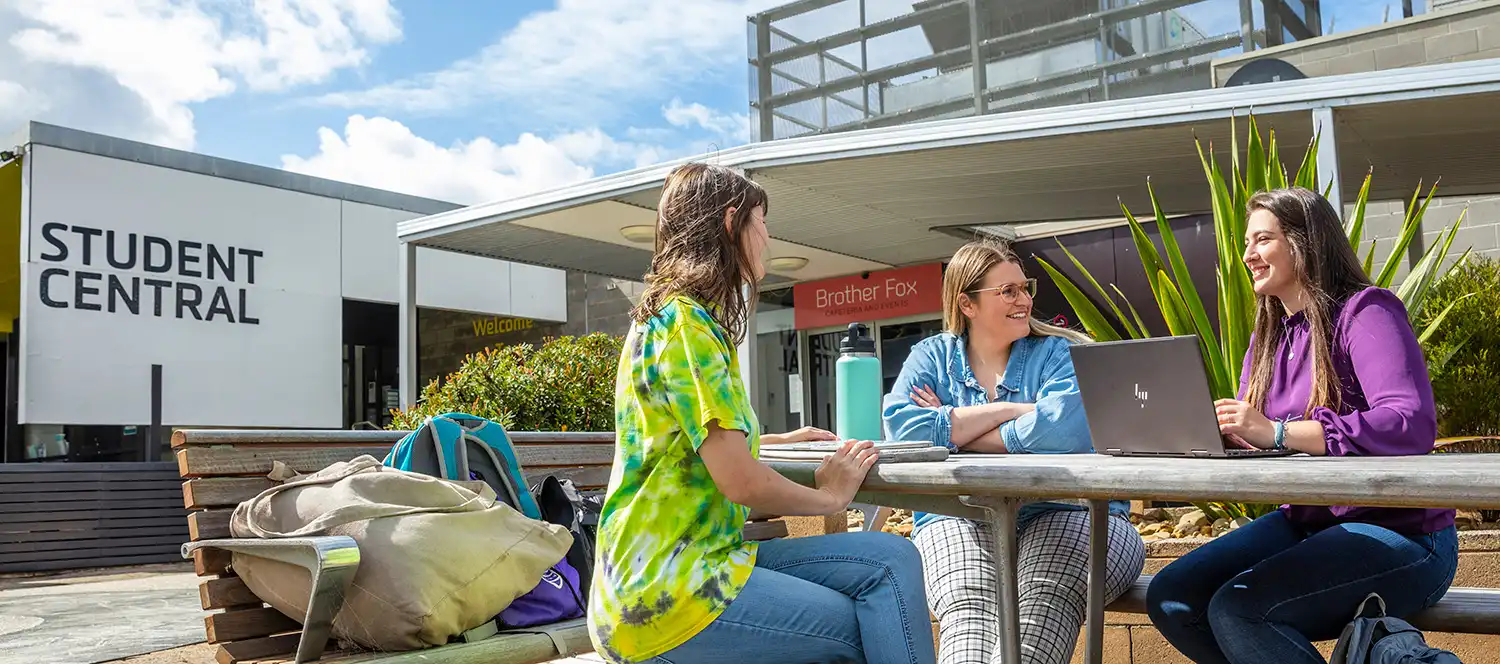
Student testimonials
'The DRC made me feel heard and gave me the same opportunity as everyone – they were always there for any kind of support.'
'This is the first full semester I have completed with my Access Plan. I don't know how I did it without this extra help. No wonder I struggled and was completely burnt out. Though, I obviously still worked really hard this semester. But between now being on meds and Deakin's assistance, I felt I gained so much more learning. My lecturers were amazing and supported me with any questions I had with my comprehension of assignment instructions.'
‘The DRC was very quick to implement my program and coordinate with my course directors regarding the modifications that were being applied to my learning. It was very easy and it was very reassuring to finally be heard. I have never had a learning plan before and am thankful that Deakin supported me.’
'The DRC officers are really nice, I feel safe speaking to my officer. Having disability access is just amazing in itself, keep up the good work and thank you so much. I am really glad I chose Deakin.'
Contact us
If you have any questions please contact the Disability Resource Centre.
We're available Monday to Friday, 9am–4pm.
-
Call(03) 9244 6255
-
Emaildrcentre@deakin.edu.au
