University career services
#1 Victorian uni for graduate employment
Deakin provides career help throughout your studies and beyond. Take advantage of career planning, exclusive job listings and advice on marketing yourself as the ideal candidate for your dream job.
Supporting your progress from course to career
From work-integrated learning to a lifetime of career advice, Deakin is focussed on delivering unbeatable employability throughout your rewarding career journey.
Career coaching
We provide career advice tailored to your goals, including advice on majors and unit selection. Explore your options, develop an action plan and market your skills with help from our experienced advisers.
Work-integrated learning
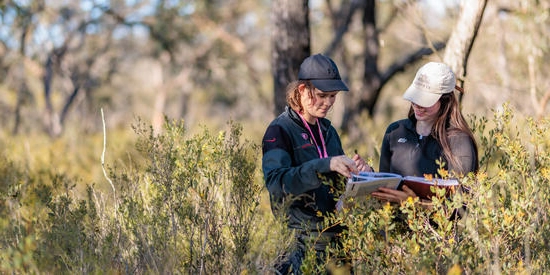
Deakin supports you to undertake a course-related placement that gives you a career advantage. We even facilitate innovative internships on projects with not-for-profit and community organisations.
Career success workshops
Our practical, personalised workshops help you build your confidence and enhance your marketability. Topics include building your personal brand, creating a CV and preparing for an interview.
Resume reviews
With our AI-driven resume review tool, you can ensure the structure and format of your resume meets the highest standards. This service is available to help current students and graduates submit the best application possible.

Deakin career and employment service
As a member of the Deakin community, you get lifetime access to our career service, DeakinTALENT. From seeking an internship, finding your first job or planning a career change, we support your employment goals with career coaching, exclusive job boards, digital tools and industry events.
The DeakinTALENT Jobs and Internships Board has been essential as it regularly lists graduate roles that are not advertised elsewhere, making it a reliable and targeted resource for my job search.
Bachelor of Computer Science
Proven employability for international students
With work-integrated learning available in every course and a dedicated international student career support program, Deakin sets you up for success. Learn about the Australian workforce, make connections and build your network through placements. Get support with your resume and cover letter from our expert staff. Whether you are looking for part-time work while studying, an internship or a job after graduation, we can help you. We even offer advice about your career options overseas.

The staff are dedicated to helping you through your university experience. The career advisors have a wealth of knowledge for you to tap into and are always there to help.
Bachelor of Arts
Frequently asked questions about Deakin’s career services
Browse our career stories for inspiration. Find out from our graduates what their career paths have been and how Deakin got them there.
You can also attend Deakin events like Open Day or take a campus tour and speak with our academic staff. They’re happy to share their expertise with you and provide advice on how your interests can lead to a rewarding career.
At Deakin, we believe work-integrated learning is key to unbeatable employability. All our courses offer it, whether it be an internship, fieldwork or a required placement for your credential. We can help you source placements and make the network connections that can lead to a job following graduation.
Yes. Our career service supports you for life. They can provide advice on making your next big move, such as choosing the Deakin postgraduate course that best aligns with your goals. You also have lifetime access to our resume review service and exclusive job listings board.
Our students can make valuable contributions to your business during internships and work placements. Facilitating a student’s learning is a great way for you to shape the future of your industry.
As an employer, you can list jobs on the DeakinTALENT Jobs and Internships Board and participate in networking events and employer showcases.
Need some career inspiration?
Curious about where a Deakin degree can take you? Browse our career stories for inspiration on turning your interests into a career you'll love.





Deakin references data from a range of government, higher education and reputable media sources. For more information, visit our University rankings page.
Contact us
Our friendly student advisers are available to discuss how a Deakin degree can lead to your ideal career and unbeatable employability.
Domestic students
1800 693 888
Enquire online
International students
+61 3 9918 9188
Enquire online