If you have any questions about our media releases or would like to connect with a member of our team, please reach out to us.
Deakin launches Sensory Friendly Graduation Ceremonies
Media release
24 September 2026
As Deakin students gather to mark the final milestone in their student journey, some different but equally important graduation celebrations are also taking place.
Deakin has introduced what might be Australia's first Sensory Friendly Ceremonies for students who find the full experience too overwhelming.
Caretaker Vice-Chancellor, Deakin Distinguished Professor Matthew Clarke said the University was increasingly seeing more students with additional needs and wanted to make sure they were included.
'Deakin is committed to supporting all students throughout their experience, including their moment of graduation,' Professor Clarke said.
'The time and work that goes in to attaining a degree is a huge achievement – particularly for those that have a starting point of disadvantage – and recognition is so important.
'Deakin is the first university to have a Disability Resource Centre and we are proud to have the highest participation rate of students with disability in the country.
'Of our domestic students, 18% identify as having a disability, mental health condition, neurodivergence, or as carers of people with disability, and they all deserve that moment of recognition as they complete their education journey.'
A safe space for celebration
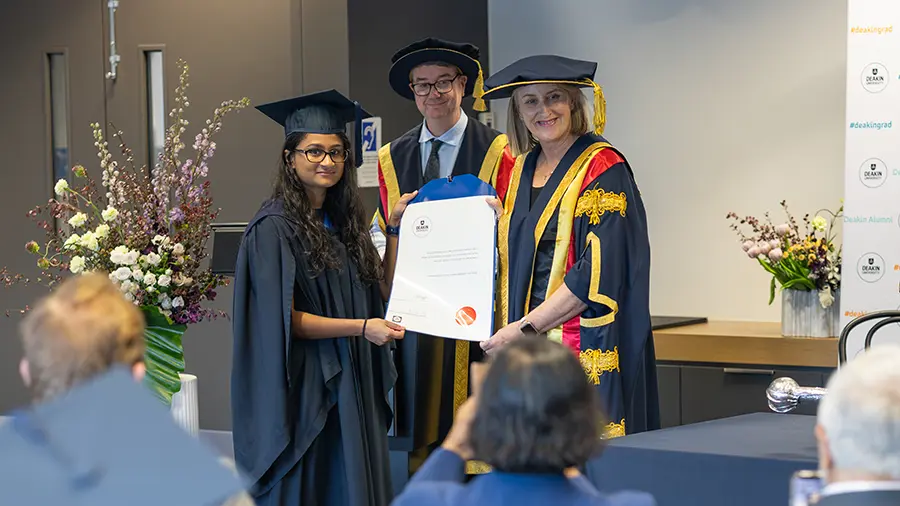
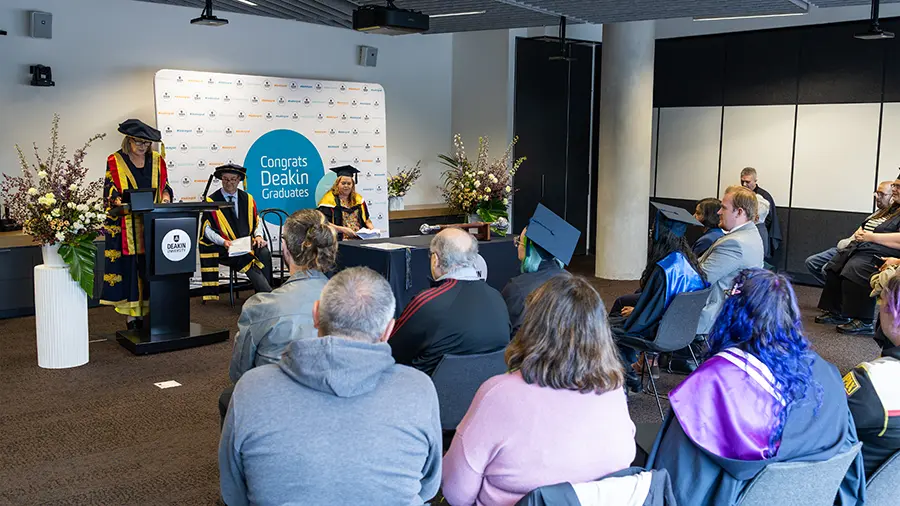
Deakin's Sensory Friendly Ceremonies are smaller, quieter events for anyone who finds the thought of the full graduation ceremony an effort too far for them to overcome.
There is a maximum of ten students and no more than 40 people in total. The ceremony only runs for 15 minutes and has minimal music and applause – but no less pageantry and all the joy that graduation deserves.
Students can choose whether to come forward to receive their testamur, stay seated or just stand in the audience. It is about what works for them.
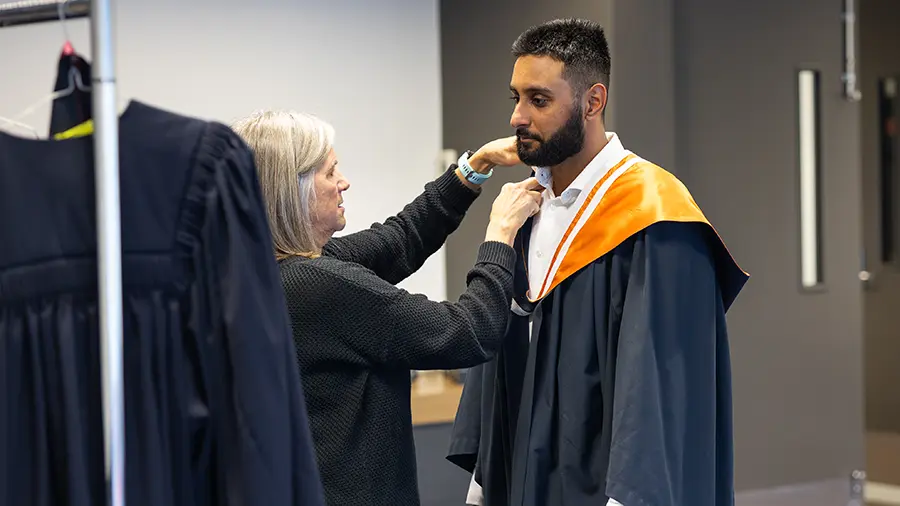
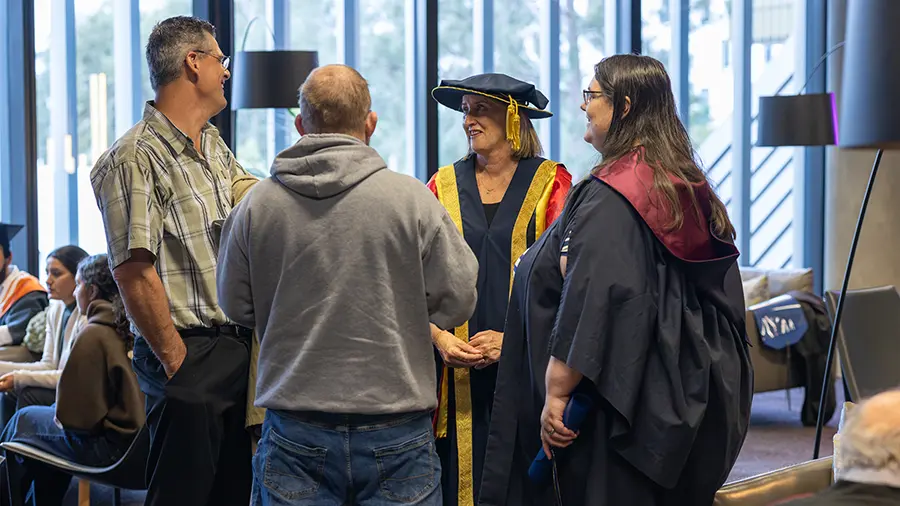
There are also Quiet Spaces and Wellbeing Ambassadors to make sure that all students and their families can enjoy the occasion.
An Australian first
Now Deakin's Graduations & Events Team is passing on their learnings within the Australian higher-education community and has been recognised with a 2026 ADCET Accessibility in Action Award.
Most importantly, these inclusive initiatives are also being noticed by the students.
'We know that for many students, the community and culture that they will be a part of during their education is just as important as how they learn or the pathways open to them once they graduate,' Professor Clarke said.
'To have something that is inclusive of not only the students themselves, but potentially their family members, just makes logical sense.'