If you have any questions about our media releases or would like to connect with a member of our team, please reach out to us.
Caitlin Moore
0452 193 800
caitlin.moore@deakin.edu.au

Media release
30 April 2026
A survey of elite women athletes across the country has revealed that a majority have witnessed or experienced racism, discrimination, sexual harassment or violence, and more than a third have been trolled online.
The ABC Elite Athletes in Australian Women’s Sport Survey led by Deakin University and the Australian Broadcasting Corporation (ABC) polled 152 current and recently retired athletes across 47 sports.
The first-of-its-kind survey explored the state of women's sport through the perspectives of elite Australian athletes competing at the highest level internationally or domestically including Olympians, Paralympians, those competing in major professional domestic codes, and those in smaller non-professional sports.
Academics, athletes, sports journalists and industry officials will come together next week to discuss the findings, share personal accounts and discuss future gender equity initiatives.
Key findings of the survey revealed:
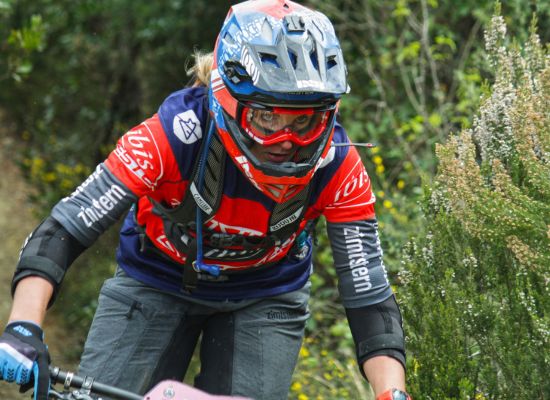
Athletes reported ongoing challenges with coaching and support staff, inequitable pay, and gaps in understanding of women’s health and wellbeing. These issues continue to affect performance, opportunity and career longevity.
Lead researcher, Associate Professor Kim Toffoletti, from Deakin’s School of Humanities and Social Sciences and Institute for Physical Activity and Nutrition (IPAN), said that although gender equity initiatives have gained momentum over the past decade, their impact has been limited.
‘What this survey tells us is that these initiatives have only been partially effective at tackling persistent issues such as remuneration, discrimination, media coverage and understanding of the health needs of women athletes,’ Associate Professor Toffoletti said.
Respondents shared details of racism, sexual harassment or sexual abuse and discrimination, happening both on and off the field. Most said they either chose not to report, or that reporting lead to nowhere.
The findings align with 2024 Deakin research which showed that nine in 10 elite female athletes polled had experienced some form of gendered online harm.
Dr Kasey Symons from Deakin’s School of Communication and Creative Arts said the success of the Matildas and Australia’s International Women’s cricket team has raised the profile of some women’s sports but, it has not yet translated into consistent improvements in conditions and recognition.
Most surveyed earn less than $20,000 a year from sport, forcing many to juggle training with work or study.
Crowds are growing. Broadcast deals are expanding. But structural challenges are still shaping women’s professional sporting careers. While the professionalisation of women’s sport has accelerated, financial security remains out of reach for many athletes. For many, staying in elite sport still requires significant personal sacrifice.’
Increased visibility and media coverage is vital to addressing this, as one respondent noted:
‘The more (media) coverage we get, the more sponsorship dollars will come… and not have to juggle three jobs and their sport.’
Associate Professor Toffoletti said more than a quarter of athletes reported negative feelings about their body image and 44 per cent have experienced an eating disorder, or disordered eating as an athlete.
‘There are social expectations on women athletes to look a certain way — thin and toned — which athletes have to navigate alongside performance-based expectations.’
One athlete wrote: ‘I would go through stages where I wouldn't eat for days and train as normal due to pressures of looking a certain way and impressing my coaches.’
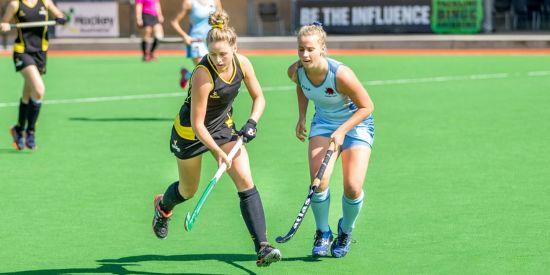
Journalist Amanda Shalala, Deputy Editor of ABC Sport, said the ABC will continue to report findings from the survey, and share accounts from athletes.
‘ABC Sport has long been committed to elevating women’s sport stories, but we wanted to gain a deeper understanding of the landscape currently facing elite athletes and share their stories and the issues that matter to them,’ Ms Shalala said.
‘We were inspired by the BBC’s Elite British Sportswomen’s Study and decided to do our own survey to reflect the experiences of Australian athletes.
‘Our findings provide a unique overview of many of the challenges athletes face across a range of sports, and we hope this can help spark wider conversations across the sector, and lead to positive change as these athletes fight for recognition, respect, and equity.’
Associate Professor Toffoletti said the study provides a crucial evidence base to advocate for cultural change and develop strategies to improve conditions for athletes competing in women’s sport.
‘A whole-of-sport approach is needed to advance gender equity and address the complex drivers of gender inequality as they impact athletes on and off the playing field.’
This research has been made possible thanks to a partnership with ABC News. The work is partly funded through Deakin’s Faculty of Arts & Education and Women in Sport and Exercise (WISE) network.
If you have any questions about our media releases or would like to connect with a member of our team, please reach out to us.
Caitlin Moore
0452 193 800
caitlin.moore@deakin.edu.au