If you want to study with us, partner with us or learn more about our research and initiatives, please get in touch with the team.
Deakin Cultures of Technoscience
Exploring how knowledge, science and technology shape each other and transform social life
How our research shapes understanding of global change
Climate change, artificial intelligence, global health and environmental crises are among societies' most urgent challenges. The Deakin Cultures of Technoscience research group examines how techno-scientific knowledge is produced and how it shapes institutions, communities, environments and social change. Through critical and interdisciplinary research, we explore the cultural, political and ethical dimensions of science and technology, investigating how expertise, innovation and power influence the ways people understand and respond to contemporary issues.
Our research areas
Our research themes bring together diverse approaches to understanding how science, technology and knowledge shape contemporary societies and the challenges they face.
Environment, Indigenous knowledges, and more-than-human worlds
Our research addresses climate change, environmental governance, biodiversity, Indigenous knowledges and relationships between people, technologies and the wider ecological world.
Biopower, bioethics, and technoscientific governance
We examine the governance of health, bodies, populations and food systems, as well as the ethical, political and regulatory dimensions of technoscientific intervention.
Bodies, health and practices of care
Harnessing our members’ diverse expertise, this theme explores health, gender, sexuality, care and the institutions, policies and daily practices that shape wellbeing.
Digital technologies and social transformations
Our research explores artificial intelligence, digital infrastructures, data practices, surveillance, democracy and the social implications of technological change.
Study with us
Ready to tackle the world's most pressing challenges through research? When you study a research degree at Deakin, you’ll work alongside renowned experts at the forefront of advancing science, technology and society.
Technoscientific advances always bring with them social consequences that are initially hard to envision. Our network brings together researchers across a range of disciplines to look past the hype and doom of technoscience and study how contemporary systems actually work in practice, and how we can steer them toward more just and accountable futures.
Deakin Cultures of Technoscience
Our researchers
Our network of renowned researchers work across disciplines like science and technology studies, environmental studies, bioethics, sociology, public health, media studies and related fields.
Associate Professor Christopher Mayes works across bioethics, public health ethics, food systems and politics, biopolitics, and the governance of health and populations. His research examines ethical and political questions surrounding health, regulation, care and everyday life.
Associate Professor Kiran Pienaar has a multidisciplinary background in gender studies, sociology and applied linguistics. Her work engages critically with drug policy and health governance, including collaborations with alcohol and other drug (AOD) organisations and community sectors. Kiran is a co-editor of the international feminist technoscience journal, Catalyst: Feminism, Theory, Technoscience.
Associate Professor Timothy Neale is an anthropologist and Science and Technology Studies (STS) scholar scholar whose research addresses the politics of environmental governance and natural hazards, with a particular interest in the social and cultural life of their technical infrastructures. Tim is a co-editor of leading international STS journal, Science, Technology and Human Values.
Lachlan Hensey – Governing the future: redistributing risk and value in Australia's energy transition
Laura Niggemann – Moving to net zero: an ethnography of transport transitions in Northern Australia
Tracey Squire – Breastfeeding support: assemblages that shape mothers’ embodied breastfeeding experiences
Alma Marshall – Governing therapyspeak: a Foucauldian analysis of the discursive regulation of everyday psychological language
Shu Li – ‘We’re not flower, we’re fire’: exploring the new wave of digital feminism in China across multiple platforms
Ashlee Wilson – Reproduction beyond the womb: biopolitics, feminism and the governance of life
Lauren Pedersen-Hor – Knowledge production and disruption: a conceptualisation of a human/network feedback loop
Sajad Kabgani – Extinction, humanist temporality and the ethics of otherness
Featured projects
Our cross-disciplinary research projects examine how knowledge, policy and innovation shape responses to some of society’s most pressing challenges.
Understanding the role of trauma in alcohol and other drug-related problems
The first of its kind in Australia, this project explores the turn to trauma-informed approaches in alcohol and other drug care. Drawing on interviews with consumers, key stakeholders, observations of trauma training, policy guidelines and health promotion materials, it analyses how trauma-informed approaches are reshaping healthcare, identifying the implications for consumers and health professionals.
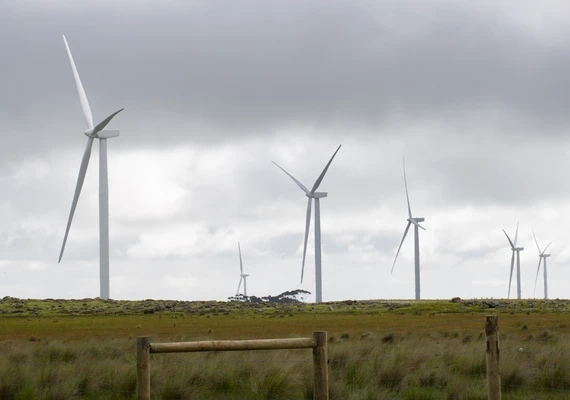
Embedding net zero carbon emissions in Northern Australia
This project explores how communities respond to the transition to net zero carbon emissions, focusing on the local social and industrial factors that shape how climate policies are put into practice. Using ethnographic methods, it highlights the potential challenges and opportunities this transition creates for government, industry and communities, like improving planning and reducing negative effects.
Contact us
Email the team