
The text of this article is licensed under the Creative Commons Attribution (CC BY) 4.0 International license. We'd love for you to share it, so feel free. Images, videos, graphics and logos are not covered by the CC BY license and may not be used without permission from Deakin or the respective copyright holder. For more information on how to share or reuse this content, please contact researchcomms@deakin.edu.au.
Marking a decade of the Deakin Institute for Physical Activity and Nutrition
Research news
23 October 2025
While the Deakin Institute for Physical Activity and Nutrition is celebrating its 10th anniversary this year – its trajectory actually began back in 2001, with the founding of the Physical Activity and Nutrition Research Unit. The unit grew and evolved, becoming a Research Centre in 2003 launched by then Governor John Landy, before officially being named an institute in 2016.
Today, it’s a multidisciplinary institute focused on research across the lifespan – exploring the role of active living, sport, food and nutrition to create healthy, thriving communities, and to reduce the rates of chronic health conditions.
To celebrate a decade as an institute, we’re highlighting some of the projects and achievements that show why this world-renowned institute is only just getting started. Whether it’s developing new digital health interventions, exploring healthy and sustainable food systems, or using exercise and nutrition approaches to prevent and manage chronic conditions, there’s much more to come.
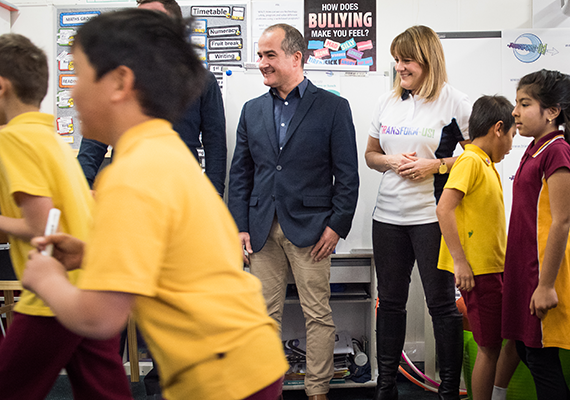
Boosting Aussie kids’ active learning
TransformUs is world-first active learning program for primary, secondary and special schools supporting better student engagement, learning and health outcomes. Seven years since its launch in Victoria, the program has now reached more than 50,000 Australian students and has the potential to reach more than 1 million students and support 7,000 Australian teachers over the next five years.

Giving families the best start in life
The INFANT Program works with families to implement healthy eating, active play and reduced screen time from the very beginning. Widely-recognised as a gold-standard program for families, INFANT has so far helped more than 17,000 parents and carers to give their children the best start with healthy lifelong habits.
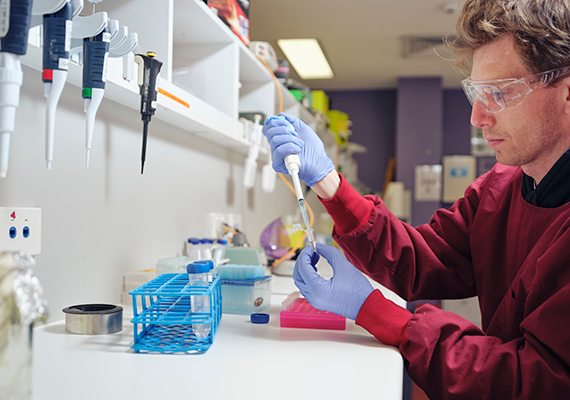
Fostering the next generation of research stars
With a supportive and stimulating research ecosystem for graduate and early-career researchers, over 130 PhDs have been completed at the Institute for Physical Activity and Nutrition, while 152 PhD candidates are currently being supervised. The IPAN Research Excellence Program also gives select high-performing undergraduate School of Exercise and Nutrition Sciences students a 12-week immersive experience in a thriving research environment.
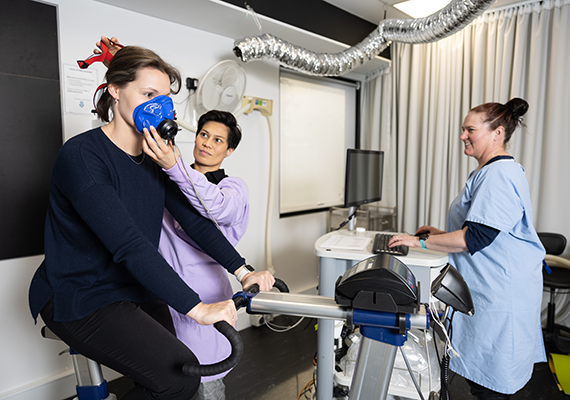
Tackling chronic health challenges
The Baker-Deakin Department of Lifestyle and Diabetes created in collaboration with the Baker Heart and Diabetes Institute works to tackle one of the biggest health challenges of our time – prevention and management of type 2 diabetes. Their suite of research focuses on physical activity, sedentary behaviour, nutrition and chronic disease management through epidemiology, experimentation, intervention and implementation.
Researchers are also improving diagnosis and care for cancer-related sarcopenia (loss of muscle mass), understanding how lifestyle behaviours affect dementia, and exploring the feasibility of digital voice assistants to deliver personalised cognitive rehabilitation programs.
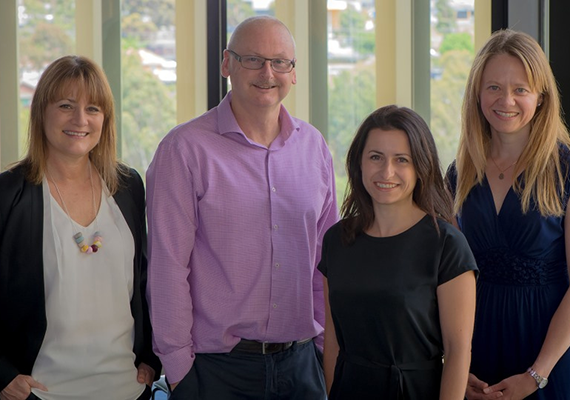
Highly Cited Researchers, ten years in a row
Within its first year, the Institute’s four founding members, Deakin Distinguished Professors Jo Salmon and Anna Timperio, Emeritus Professor David Crawford and Emeritus Professor Kylie Ball, were all named Highly Cited Researchers.
This highly-coveted list is an annual recognition of influential scientists and social scientists worldwide who have made broad and significant contributions to their fields, with at least one IPAN researcher (and up to four) continuing to be included every year since.

Supporting healthy eating across Australia
Throughout the years, the Institute’s researchers have been developing quality evidence on food, nutrition and health and using it to tackle a diverse range of issues. From working with Elders and communities in the Kimberley to explore the benefits of traditional foods and seasonal eating, to exploring the role of diet in the progression of multiple sclerosis (MS), to localised approaches to encourage healthy eating through The Good Neighbourhood Project and Veg4Me.
The Institute has also played a leading global role in exploring the growing impact of ultra-processed foods on our health and the environment, and how to raise awareness of these impacts.

Leading the pack in sports science
The Centre for Sport Research is home to experts in sport, exercise and health from across Deakin and is focused on influencing practice in sport to enhance the health and performance of both people and organisations in this space.
This work contributes to Deakin’s achievement of being home to the number one sports science school in the world as recognised by the prestigious ShanghaiRanking Global Ranking of Sports Science Schools and Departments in six of the past 10 years, and number one in Australia every year since the rankings began.
Digital technology innovation for health and wellbeing
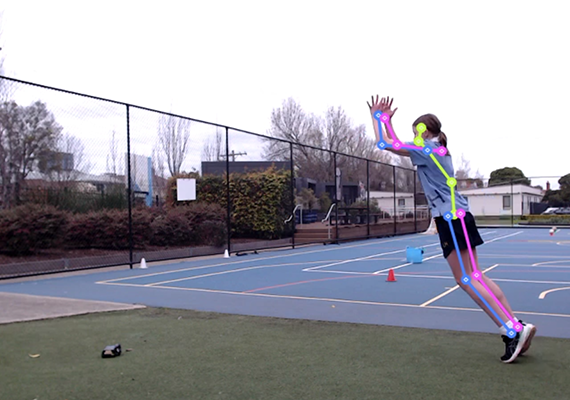
Working closely with technical experts across Deakin including the Applied Artificial Intelligence Initiative, the Institute for Intelligent Systems and the School of IT, researchers work to deliver world-class digital health research and to improve health and wellbeing.
Recent projects include SmartHeart, a smart home ecosystem to support people with heart failure to manage their condition at home and improve quality of life, and Moving the Next Generation, a new artificial intelligence tool to help teachers and coaches build important motor skills in young children.
Advancing healthy ageing
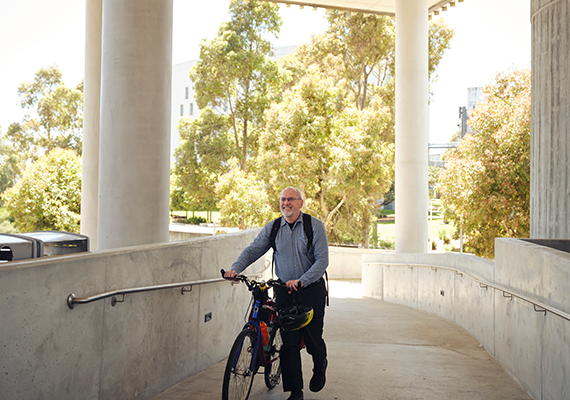
Through a combination of physical activity, nutrition and advanced digital technologies, the Institute's researchers are helping people to lead independent lives for longer, with stronger bones and muscles and fewer chronic diseases.
Researchers have pioneered programs such as TeleFFIT which personalises healthcare and is designed to prevent falls and fractures. The Institute is also helping to shape national guidelines on physical activity and sedentary behaviour for older adults.