
Information technology vs computer science: which tech degree is right for me?
Technology is shaping every industry, creating exciting career opportunities across areas like artificial intelligence (AI), cybersecurity, software development and cloud computing. But with so many study and career pathways available, understanding the difference between information technology (IT) and computer science is an important first step in choosing the right tech degree and career for you.
What's the difference between information technology and computer science?
The world of technology is vast, fast-moving and full of opportunity. As new technologies continue to reshape the way we live, work and connect, the tech industry has become one of the world’s fastest-growing and most influential sectors.
But with growth comes complexity. Job titles can sound similar, skill sets often overlap and roles frequently intersect, making it difficult to know where to begin. So how do you decide where you fit? Let's explore the differences.
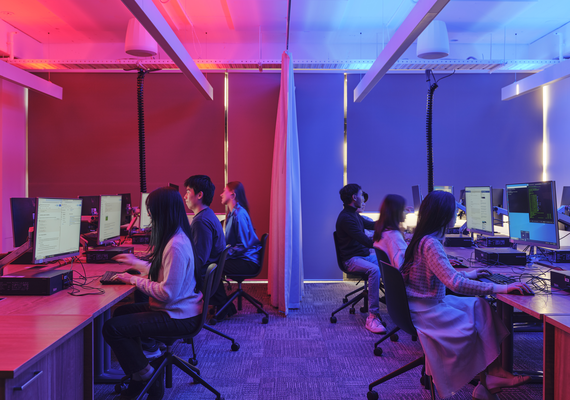
What is computer science?
Computer science focuses on the theory, logic and systems that power technology. If information technology is about applying technology, computer science is about creating it.
When you study computer science at Deakin, you develop a deep understanding of algorithms, data structures and computational thinking. You learn how to design efficient systems, solve complex problems and build new technologies from the ground up.
What skills do you learn in a computer science degree?
An undergraduate computer science degree will typically equip you with skills in areas such as:
- data analytics
- machine learning and artificial intelligence
- robotics and autonomous systems
- advanced software development.
What careers can you get with a computer science degree?
Computer science graduates can pursue highly technical and innovative careers, including:
- software engineer or developer
- data scientist or analyst
- AI or machine learning engineer
- cybersecurity engineer
- systems architect
- game developer.
These roles often involve designing and building new systems, tools and applications. If you like the idea of pushing the boundaries of what technology can do, computer science could be the right choice for you.
As a graduate of computer science you will be prepared to create the technologies of the future. You will have the skills to adapt to emerging technology trends, including the latest developments in artificial intelligence.
Bachelor of Computer Science Course Director

What is information technology?
If computer science is about building the engine, information technology is about keeping that engine running smoothly and drawing on its power. IT focuses on the practical application of technology within organisations, including implementing systems, managing infrastructure and ensuring technology operates efficiently and securely.
When you study IT at Deakin, you gain hands-on skills that prepare you to support, maintain and optimise technology systems. You’ll work closely with users, businesses and organisational needs.
What skills do you learn in an information technology degree?
An IT degree can develop your capabilities in areas such as:
- cybersecurity
- network and cloud computing
- app and game development
- user experience (UX) and design.
What careers can you get with an IT degree?
An information technology degree can lead to careers including:
- IT support specialist
- network and systems administrator
- cybersecurity analyst
- cloud engineer
- IT consultant.
These roles are essential to the day-to-day operation of businesses, helping ensure systems are reliable, secure and aligned with organisational goals.
Deakin's Bachelor of Information Technology lets you build the career you want. Choose from majors and minors in cybersecurity, cloud, data analytics, business systems or digital innovation, and graduate with specialised skills employers value.
Bachelor of Information Technology Course Director
How do computer science and information technology work together?
While computer science and IT have distinct areas of focus, they are closely connected. A software developer may build an application, while an IT professional ensures it is deployed, maintained and accessible to users. A cybersecurity engineer may design advanced protection systems, while an IT analyst monitors and manages threats in real time.
Both fields are deeply interconnected and equally critical to the future of technology.
How to choose between computer science and IT degrees
Choosing between computer science and IT ultimately comes down to your interests and strengths.
Computer science courses may suit you if you:
- enjoy coding and problem-solving
- like mathematics and logical thinking
- want to build software, systems or emerging technologies
- are interested in AI, machine learning or software engineering.
Information technology courses may suit you if you:
- enjoy practical, hands-on work
- want to work with systems, networks and users
- are interested in cybersecurity, cloud computing or IT infrastructure
- like solving business and technology challenges.
It’s also important to remember that career paths are rarely fixed. Many professionals move between these areas throughout their careers and this is becoming even more common as technology and AI continue to evolve. Skills across both disciplines are highly transferable and increasingly valuable.
Why study information technology or computer science at Deakin?
Both computer science and information technology sit at the centre of one of the world’s most exciting and rapidly evolving industries.
From artificial intelligence and automation to cloud computing and cybersecurity, demand for skilled technology professionals continues to grow. Organisations across every sector – from healthcare and finance to sport and entertainment – rely on tech talent to innovate and stay competitive.
Whether you choose to build the technology of the future or ensure it runs seamlessly behind the scenes, you’ll be entering a field rich with opportunity, impact and growth.
The key is to start with what interests you most and build from there.
Explore Deakin's computer science and information technology degrees
Frequently asked questions
Computer science is generally more theory and mathematics-focused, while IT is often more practical and hands-on. The right choice depends on your interests, strengths and career goals.
Both pathways can lead to cybersecurity careers. Computer science may focus more on programming and systems design, while IT often focuses on infrastructure, networks and security operations.
Yes. Many IT degrees include software and app development subjects that can prepare graduates for software development careers.
Computer science careers often focus on creating software, systems and emerging technologies. IT careers are typically focused on implementing, managing and supporting technology within organisations.
Yes. Both fields are experiencing strong global demand, particularly in areas such as artificial intelligence, cybersecurity, cloud computing and data analytics.