Stay connected with your Deakin community. Update your details to receive alumni news, events and opportunities, or email the Alumni Engagement team if you have a question. You can also visit our FAQs for quick answers.
Alumni (past students)
Always Deakin
Your Deakin story continues beyond graduation. Celebrate achievements, forge new connections and be part of a global alumni community making a difference.
Your Deakin community, wherever life takes you
Graduation marks the start of a lifelong connection. With over 370,000 alumni across more than 160 countries, Deakin graduates are making their mark through innovation, leadership and service. Whether you’re mentoring students, supporting research or exploring new opportunities for growth, your network is a source of inspiration, learning and collective impact.
Connect and belong
Stay connected and make the most of your alumni benefits. Enjoy career guidance, lifelong library access, exclusive events, networking opportunities, discounts on further study and much more.
Keep learning and growing
Keep your skills sharp and your ideas fresh. Access tailored learning, short courses and curated resources designed to help you grow, no matter where you're at in your career.

What does it mean to be a Deakin alum?
Late-night thinkers, early risers, the curious and the bold – this is your invitation. Discover how Deakin alumni connect, learn, give back and make a difference together. No matter when you graduated, you’re always part of the Deakin community.
Stay in touch
Update your details to receive alumni news, event invitations and exclusive benefits, and stay part of the Deakin community wherever you are.
The thing I really enjoyed at Deakin was studying with a diverse group of people and the learning that came with these experiences, both in a personal and professional capacity. The network you build at Deakin stays with you for life.
Bachelor of Commerce, Master of Business Administration
Make a difference
Your experience, time and generosity can open doors for the next generation of Deakin students. By mentoring, volunteering or supporting scholarships, you help create opportunities, build confidence and shape futures – leaving a lasting impact that extends beyond the classroom.
Empower the next generation
Inspire students and fellow alumni by mentoring or volunteering through Deakin programs. Hosting a student in your workplace, offering guidance or contributing your expertise gives them invaluable learning experiences, while sharpening your own leadership and communication skills.
Make the wonderful possible
Be part of a collective effort bringing alumni, donors and friends together to make meaningful change. By 2030, our goal is to have 150,000 alumni actively connected, contributing to student success, research and stronger communities. Every action – big or small – helps us make the wonderful possible.

Proudly celebrating our alumni
From championing equity and inclusion to leading global innovation – Deakin alumni are creating impact far beyond the classroom. Each year, the Alumni Awards recognise graduates whose achievements inspire, drive progress and shape a better future.
Meet our alumni
Be inspired by the journeys of Deakin alumni who are using their skills, passions and experiences to make a difference in the world.
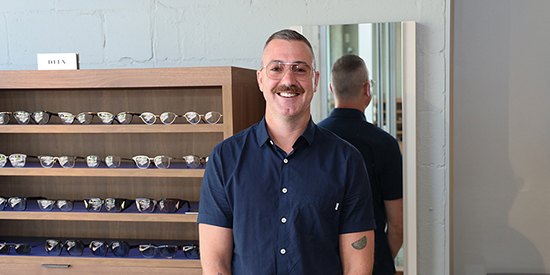
Dr Jayson Stone
Championing ethical and sustainable eye care, Jayson is reshaping how optometry can serve both people and the planet.

Neary Ty
As one of Nine News Melbourne’s pioneering Asian reporters, Neary is breaking barriers in journalism and strengthening connections with the communities she represents.
Keep growing as a Deakin alum
As a graduate, there are a few practical ways to stay connected and celebrate your achievements. Access your graduate documents, including transcripts and certificates, and proudly add your degree letters after your name on your resume, email signature or business card.