For all enquiries about the Integrated Water Management project please contact our team.
Integrated Water Management
Addressing significant water challenges
A Victorian flagship project for integrated water management practices at our Geelong Waurn Ponds Campus.
Preparing Victoria for the challenges of climate change
The Integrated Water Management (IWM) Plan for the Geelong Waurn Ponds Campus, in partnership with Barwon Water, is an important intervention that considers the water cycle as a holistic system and approaches water management in a collaborative and interconnected way. It responds to significant water-related challenges like flooding, securing an alternate water supply to the campus, protecting and restoring waterways near the campus, and uses the Waurn Ponds environment as a ‘living laboratory’ for applied research and teaching.
What is integrated water management?
Traditionally, water has been managed as a series of parts with aspects such as stormwater and drainage and flood mitigation considered separately. Integrated management is an approach to planning, design and delivery of places and systems which considers all elements of the water cycle, including:
- water sources for consumptive use
- sewerage system
- stormwater, drainage, flooding
- waterways
- water in the landscape
- social values of water (Traditional Custodian knowledge, community support)
- economic values of water (teaching, learning and partnerships).
IWM is fundamental to sustainable development and provides a far more comprehensive understanding of the landscape, urban form, water and the interconnectedness of each element of the water cycle. Effective integrated water management fixes more than water problems – it enhances biodiversity, creates valued landscapes and campus experiences and mitigates flooding – taking big steps towards reaching Deakin's sustainability commitments.
Integrated Water Management on campus
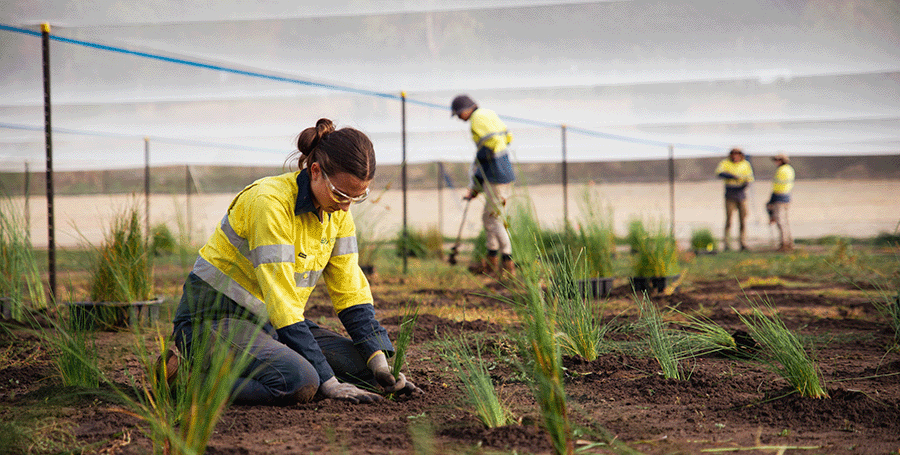
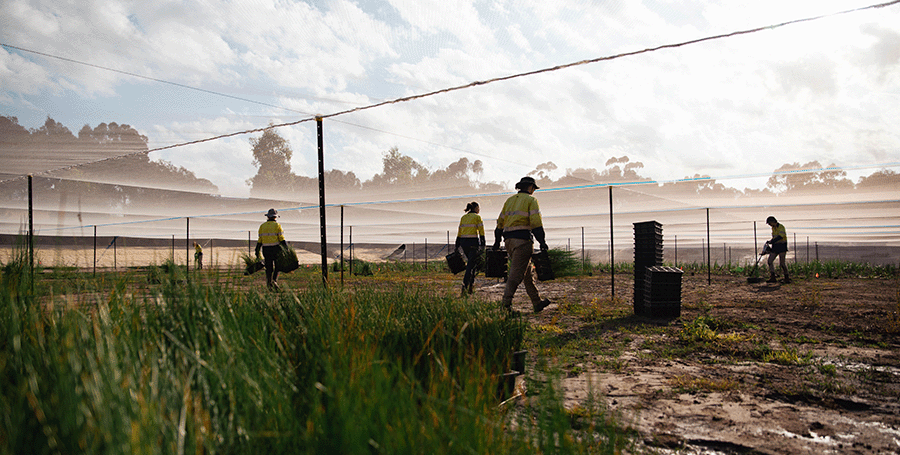
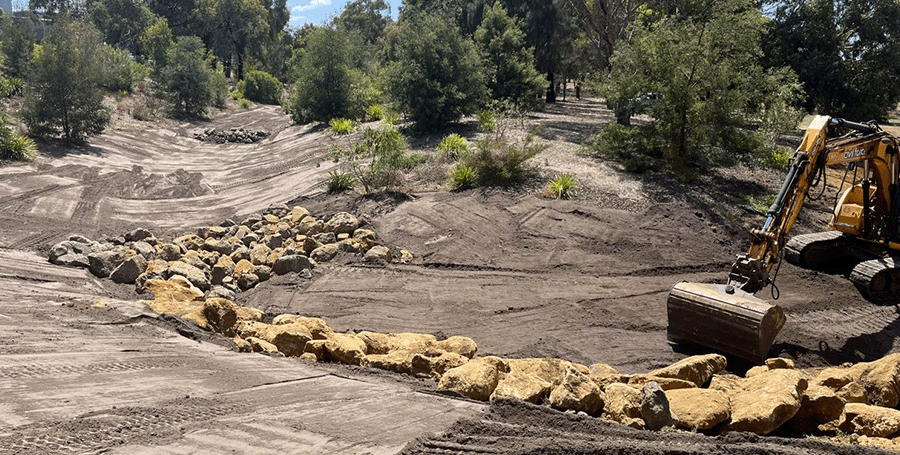
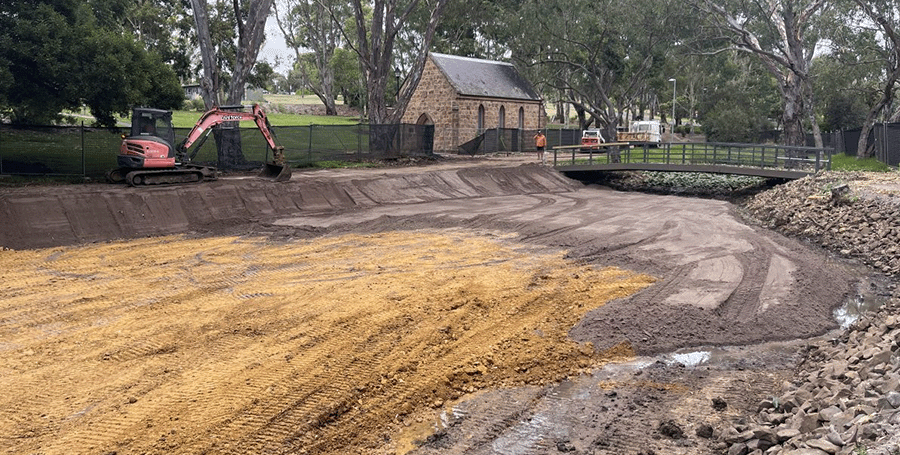
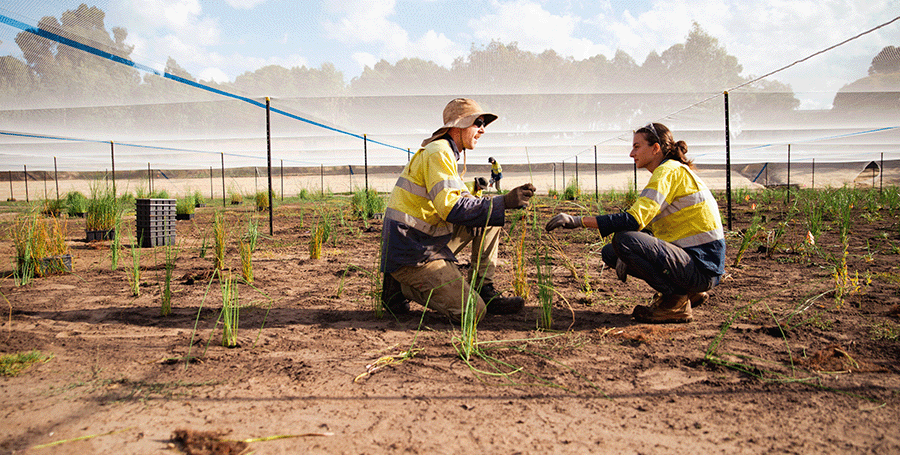
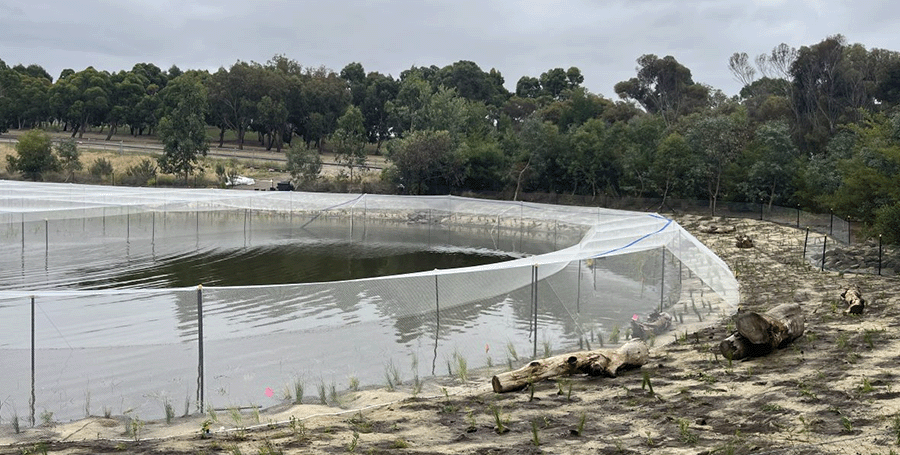
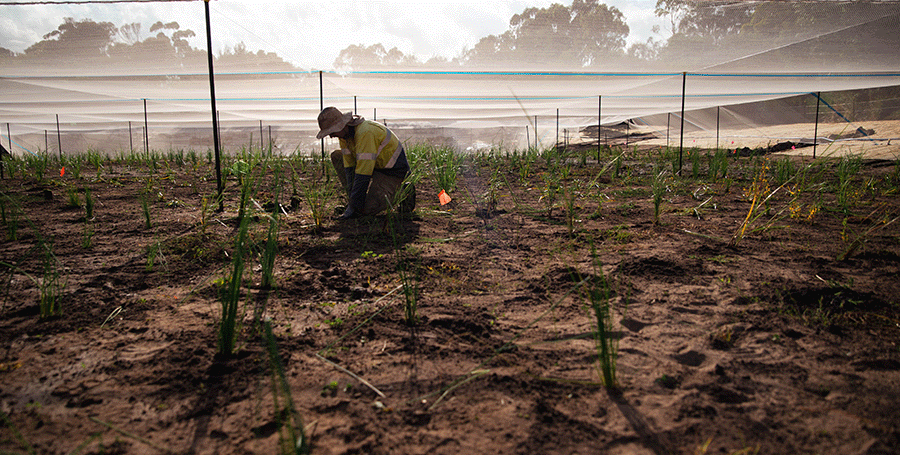
IWM works began in January 2022, with a significant conversion of the network of ponds into a constructed wetland system. This is is an important step in delivering better water quality and biodiversity. The six major ponds across campus will:
- ponds drained
- sediment build up removed
- banks reshaped
- aquatic plants (macrophytes) planed alongside new plantings
- resident aquatic animals will be temporarily relocated and placed back in the wetlands post construction.
The wetlands will attract a more diverse range of water birds, frogs and other aquatic fauna, repopulated also with native fish. The conversion will significantly reduce flooding, chance of erosion and sediment build up and create cleaner water flowing into Waurn Ponds Creek.
This project is the first of many, with several more to come that will help us address other water issues and support future sustainable development of the campus. The IWM Plan presents many opportunities to undertake teaching and research in a ‘living laboratory’, using the campus as a test bed to investigate water management and the impact of climate change on environments, wildlife, and people.
As the climate changes and we continue to grow, we need to manage these valuable water assets deliberately. Integrated water management – including its myriad opportunities for research – is a key element that will help us enhance our environment’s sustainability, while supporting future needs of the campus.
Learn more about the work IWM is doing at our Geelong Waurn Ponds Campus
Partnerships and collaboration
The plan offers collaboration and learning opportunities with local councils, Traditional Owners and other water utilities across Victoria. We welcome organisations to get in touch to discuss potential partnership and collaboration opportunities.
Living laboratory project
Making irrigation safer for native fish
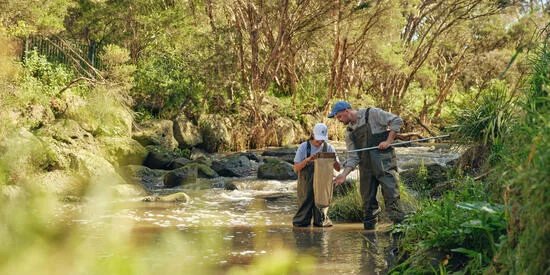
PhD student Ben Woolcock is one of many Deakin students using the Geelong Waurn Ponds Campus wetland conversion as an opportunity to use the ‘living laboratory’ for practical experience in electrofishing and fish tagging. Scheduled works on the campus entrance pond gave Ben an opportunity to put practical components of his PhD research on tracking native fish in Victoria’s irrigations systems into action.
Ben and his associate supervisor Dr Dion Iervasi implanted acoustic tags into anaesthetised fish before releasing them back into the pond. Ben’s PhD research aims to determine how man-made irrigation systems serve as a potential refuge for Australian native fish. He hopes his research will help identify new ways to maintain waterways by water authorities.
Three landmark aquatic projects
In 2021, a $22.1million partnership was announced between Deakin and the Victorian Government, strengthening our sustainability commitment and investment in regional Victoria's future. Three key projects in water management, aquaculture and marine science will support research capabilities and facilities while also creating local jobs.
Collaboration with Traditional Owners
The Wadawurrung people are the Traditional Owners of the lands and waterways on campus and were consulted in the development of the plan. We'll continue to collaborate and ensure their values, wisdom and stories inform the way we manage campus environments.
As the climate changes and we continue to grow, we must manage our valuable water assets deliberately. The pipeline and supply of recycled water is a key element that will help us enhance our environment's sustainability while supporting the future needs of the campus.
Manager, Sustainability programs
Victorian Government's Higher Education State Investment Fund
This project includes co-contributions from the Victorian Higher Education State Investment Fund (VHESIF).

Deakin projects funded by the Victorian Government's Higher Education State Investment Fund
AquaFI Lab research focuses on sustainable fish production and novel feed and aquaculture technology development.

An innovative research centre focused on advanced battery prototyping and commercialisation.

Deakin Hydrogen Hub, one of Australia’s first hydrogen manufacturers, is turning research into clean energy and transport innovation.

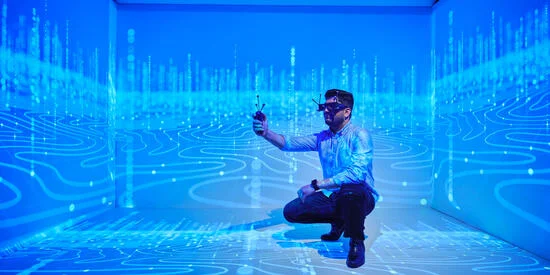
Includes environmental science labs, VR infrastructure, immersive projection mapping, nursing simulation and digital health tech.

Australia’s unique advanced manufacturing hub helps businesses accelerate success through specialised facilities, programs and services.

Contact us
Submit an enquiry