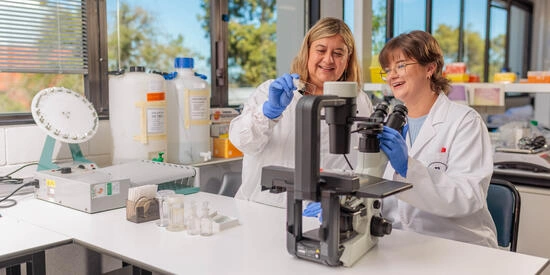
Stay in touch with us to hear about the latest alumni opportunities, research news and much more. Have a question? Get in touch with the team.
Email the Deakin IMPACT team
Visit the Deakin IMPACT website
Deakin Institute for Mental and Physical Health and Clinical Translation
Enhancing prevention and treatment of mental, physical and chronic health conditions
How we turn biomedical research into real-world solutions
The Deakin Institute for Mental and Physical Health and Clinical Translation (Deakin IMPACT) is one of Australia’s leading institutes for mental and physical health research. We develop innovative diagnostics, treatments and therapies to improve mental, physical, and chronic health conditions at individual and population levels. With expertise across biomedical science, clinical trials and epidemiology, our research is designed to move from the lab bench to the bedside. Informed by lived experience, our approach supports real-world solutions to improve health outcomes for local and global communities.
Our research themes
We research mental and physical health at every level, from the cellular foundations of disease to the broader factors that shape our quality of life. Our work covers biomedical discovery, lifestyle influences and new treatments for mental, physical, and chronic health conditions.
Clinical trials and interventions
Investigates new treatments to understand biological pathways in mental illness and physical health conditions.
Drug discovery and repurposing
Focuses on developing new treatments to help people whose lives and livelihoods are disrupted by complex and difficult-to-treat chronic health problems.
Food and mood
The Deakin Food and Mood Centre conducts research to understand the complex ways in which what we eat influences our brain, mood and mental health.
Infection, immunity and cancer
Discovery-based research that focuses on understanding the molecular basis of health and disease at the individual and population level.
Mental health and neuroscience
Explores chronic disease patterns, risk factors, novel therapies and effective treatments of psychiatric conditions, such as bipolar disorder and depression.
Molecular medicine
Seeks to understand and improve the treatment of many of the most common chronic diseases impacting populations across all ages.
Population health
Explores both the physical and mental health of humans across the lifespan.
Infectious disease and immunology
In partnership with Barwon Health, the Centre for Innovation in Infectious Disease and Immunology Research develops novel strategies for disease prevention, treatment and control.
Make a difference to people’s health
Study a research degree with Deakin IMPACT and bring your research to life in cutting-edge facilities alongside world-renowned researchers. Be part of an institute that transforms the lives of people living with mental, physical and chronic health conditions.
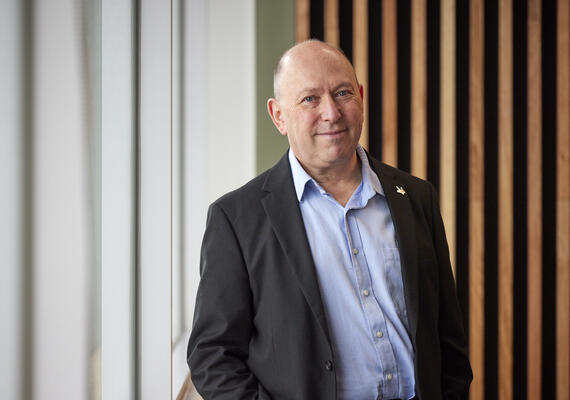
We aim to improve mental and physical health at both the individual and population levels. Our team advance cross-disciplinary, world-leading biomedical research and translate results into real-world medical or clinical practice that benefits the community.
Director, Deakin Institute for Mental and Physical Health and Clinical Translation
Our researchers
Our team of over 400 researchers work across science and clinical care, advancing knowledge and discoveries that inform evidence-based policies and treatments for mental, physical, and chronic health conditions.
Professor Michael Berk is the director of Deakin IMPACT and a global leader in mood disorder research, with over 1,600 publications and is among Australia’s most highly cited researchers in the field. Awarded the 2024 Australian Mental Health Prize, he is known for pioneering drug repurposing and clinical trials that drive real-world mental health treatments.
Professor Ken Walder is the deputy director of Deakin IMPACT and a leading expert in metabolic disease research and leads the Drug Discovery and Repurposing theme. He has a focus on mental health disorders, and the discovery of treatments for these diseases. He has led major national drug discovery research programs and brings decades of experience translating research into clinical outcomes.
Associate Professor Alyna Turner leads the Clinical Trials and Interventions Theme with expertise in clinical trials for mental health, addiction and complex comorbidities. Her multidisciplinary team focuses on translating research into better outcomes for the community.
Deakin Distinguished Professor Felice Jacka is the director of the Deakin Food and Mood Centre. Her highly innovative field of research focuses closely on the links between diet, gut health, and mental and brain health. In 2021 she was awarded a Medal of the Order of Australia (OAM) for her services to Nutritional Psychiatry.
Professor Tania de Koning-Ward is the leader of the Infection, Immunity and Cancer Theme. Her vibrant research team of postdocs, research assistants, PhD and Honours students aims to understand how malaria parasites interact with their host cell so that they can thrive and cause disease.
Dr Mohammadreza Mohebbi’s leads the Mental Health and Neuroscience theme. His expertise as a biostatistician supports the development and application of statistical methods in epidemiology, biomedical research, randomised controlled trials, psychiatric research, and epidemiological study design.
Professor Sean McGee is a leading expert in metabolic disease and the link between diet and chronic illness. He leads the Molecular Medicine theme’s focus on understanding how nutrition-related changes in metabolism drive conditions such as obesity, diabetes, and heart disease.
Professor Julie Pasco is director of the Epi-Centre for Healthy Ageing and theme leader for Population Health. Her expertise across musculoskeletal disorders, ageing, epidemiology, and the links between physical and mental health have driven population studies, including the Geelong Osteoporosis Study.
Our facilities
Our team works in universities, laboratories, hospitals and community spaces across Geelong and Waurn Ponds. Our purpose-built facilities support cell culture and molecular biology research and exploration into the molecular basis of cancer, immunology and host-pathogen interactions.
Our Health Education Research Building hosts state-of-the-art biomedical and clinical research spaces, supporting researchers, industry and philanthropic partners, both nationally and internationally, to run clinical trials and research studies with the goal of promoting positive health outcomes in the community.
Stories behind the research

Discover Deakin Institutes for Health

Ever wondered: Is working from home impacting your health?

Sarah's research pathway

Partnerships in practice 2025: Helen Macpherson

Dom Condo (TEDx): Body shape doesn't define athletic ability
Our partnerships
We collaborate with national and international partners from universities, healthcare providers, and philanthropic organisations to increase our impact.
Featured projects
Our research is vital to tackling some of the most challenging and common mental and physical health conditions that we face today.
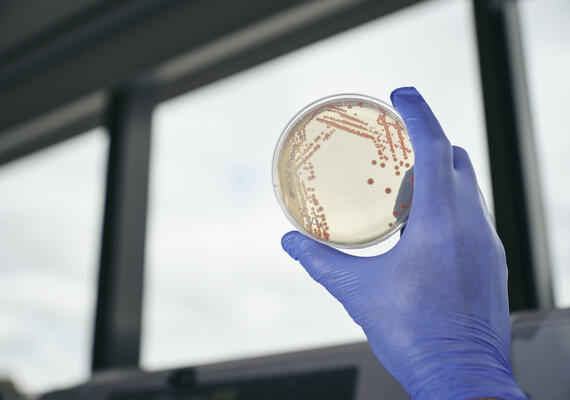
Identifying new treatments with human stem cells
Stem cell technology offers a revolutionary path to identifying new treatments for complex mental and chronic health conditions. Our researchers are developing a platform with patient-derived stem cells, essentially a brain in a dish, to treat psychiatric disorders, speeding up the development of new treatments for conditions and disorders like schizophrenia, bipolar disorder and chronic fatigue syndrome.

Linking maternal mental health and infant brain development
Limited access to prentatal dietary support increases the risk of perinatal depression and anxiety, particularly in regional Australia. A clinical trial, building on evidence from the Barwon Infant Study, aims to embed midwife-led nutrition support and the use of specially developed smartphone apps into routine pregnancy care, with the potential to improve maternal mental health and child neurodevelopment.

Unpacking the mystery of how we age
The Geelong Osteoporosis study, a collaboration with Barwon Health, has spent three decades documenting the health and wellbeing of adults across life stages. The study’s initial focus on osteoporosis and bone health has expanded to include data on obesity, diabetes, cardiovascular disease, arthritis, sarcopenia, frailty, cognitive decline, and the interplay between physical and mental health. Its findings now inform national health campaigns, modelling and research worldwide.
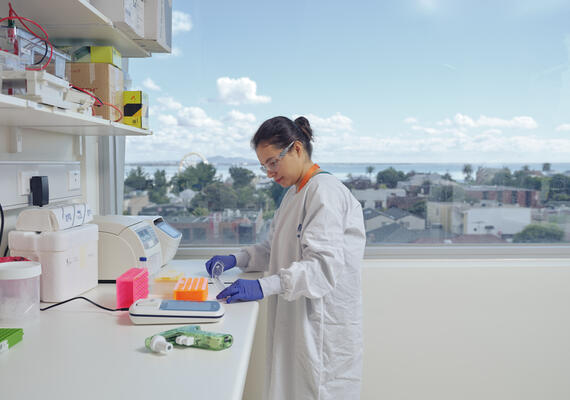
New approaches to target the malaria parasite
Malaria continues to threaten a significant portion the world’s population. The emergence of parasites resistant to current treatments require a new approach. New research will help understand how these parasites invade and survive within their host red blood cells, providing novel drug and vaccine targets alongside new strategies to control malaria, with potential future applications to similar parasitic infections like Toxoplasmosis.