
Choosing between business and commerce? Here's what you need to know
Ever wondered whether a Bachelor of Business or Bachelor of Commerce is the right fit for you? Both degrees open the door to a rewarding career in the business world, but they take different paths to get you there. We'll help you understand what each degree offers, what they have in common, and how to work out which one matches your goals.
‘The workforce is changing, our degree should too’, say course directors Dr Wendy Webber and Dr Peter Vuong, who have just relaunched the refreshed Bachelor of Business and Bachelor of Commerce degrees. Both degrees share a first year and offer clear pathways into your major – so if you're weighing up which one is right for you, here's what sets them apart and what they have in common.
What should you know about the Bachelor of Commerce?
Deakin's two undergraduate business degrees lead to different career outcomes. 'The Bachelor of Business is for students who love organisations, people, marketing and getting things done in organisations,' Dr Webber says. 'They like working across groups and working on projects, focused on the goals and strategies of the organisation.'
'The Bachelor of Commerce is for students who aspire to be specialists and professionals in their respective discipline areas,' Dr Vuong explains. 'If you wanted to be someone who works in accounting, for example, you'll develop the skills, knowledge and expertise in a very deep area within the business world.'

When I came to interviews for professional services roles, I was really proud to go on and talk about my international study tour experiences in Vietnam and Japan and how I’d faced client problems. It felt like I had something really tangible to present at my interviews.
Bachelor of Commerce
What majors can you choose and where do they lead?
Bachelor of Business majors are AI and business information systems, business management, entrepreneurship and innovation, human resource management, marketing management and project management. 'You can be managing your own business in entrepreneurship, such as car hire or a local business,' Dr Webber says. 'Or you could be part of a giant organisation, working in administration or operations, or a specialist field like HR, marketing, information systems or project management.'
Commerce majors are accounting, digital transformation, economics, finance, financial planning and marketing insights. 'Marketing insights looks into the data behind customer data and market data,' Dr Vuong explains, 'while digital transformation is geared towards how technology will change the future workplace and how organisations adapt to those changes' – leading to roles like change consultant or digital transformation specialist.
The Bachelor of Commerce is the recommended pathway to professional accreditation, including Chartered Accountants Australia and New Zealand (CA ANZ) and CPA Australia for accounting, the Chartered Financial Analysts (CFA) Institute for finance, and the Financial Adviser Association of Australia for financial planning.
What is it like to study business or commerce at Deakin?
Both degrees begin with a shared first year, so you can build your foundations and confirm your direction before specialising.
You’ll study degree-specific core units alongside three units common to both degrees. In business, core units cover financial literacy, economics for business, digital information management, marketing innovation, and managing people and organisations. In commerce, you’ll study accounting for decision making, economic principles, fundamentals of finance, business analytics and law for commerce.
The three common units include Shaping the Future of Business, which explores the global megatrends shaping industry, including generative AI and digital transformation; Business Impact in Society, which looks at how organisations drive positive social and environmental impact; and Professional Identity and Career Development, which builds the professional mindset, employability and networking skills you need to launch your career.
Industry experience built in
Industry experience is a core part of our business and commerce degrees, with many opportunities to engage directly with our industry partners through projects, consultancy programs or internships. Our partners include Deloitte, Geelong Cats, GMHBA, KPMG, EY, Hoban Recruitment and more.
See business and commerce students in action
Get the unfiltered study experience, direct from our students.
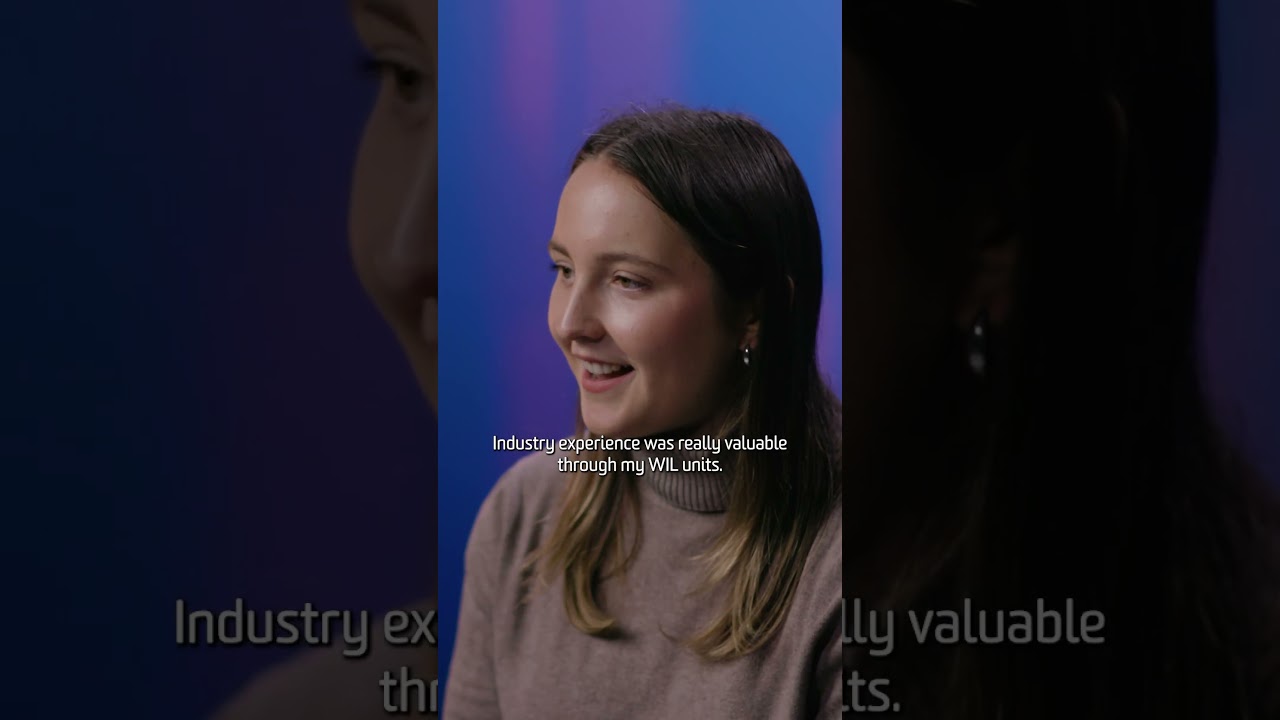
How a Japan consultancy experience launched Millie's corporate career.

Business and commerce study tour.

Kaythlyn launched her very own business while studying.

How flexible study helped Harry launch his human resources career.

How Anouk quickly grew her career confidence through Deakin.

From speaking at UN conferences to landing a job in accounting.
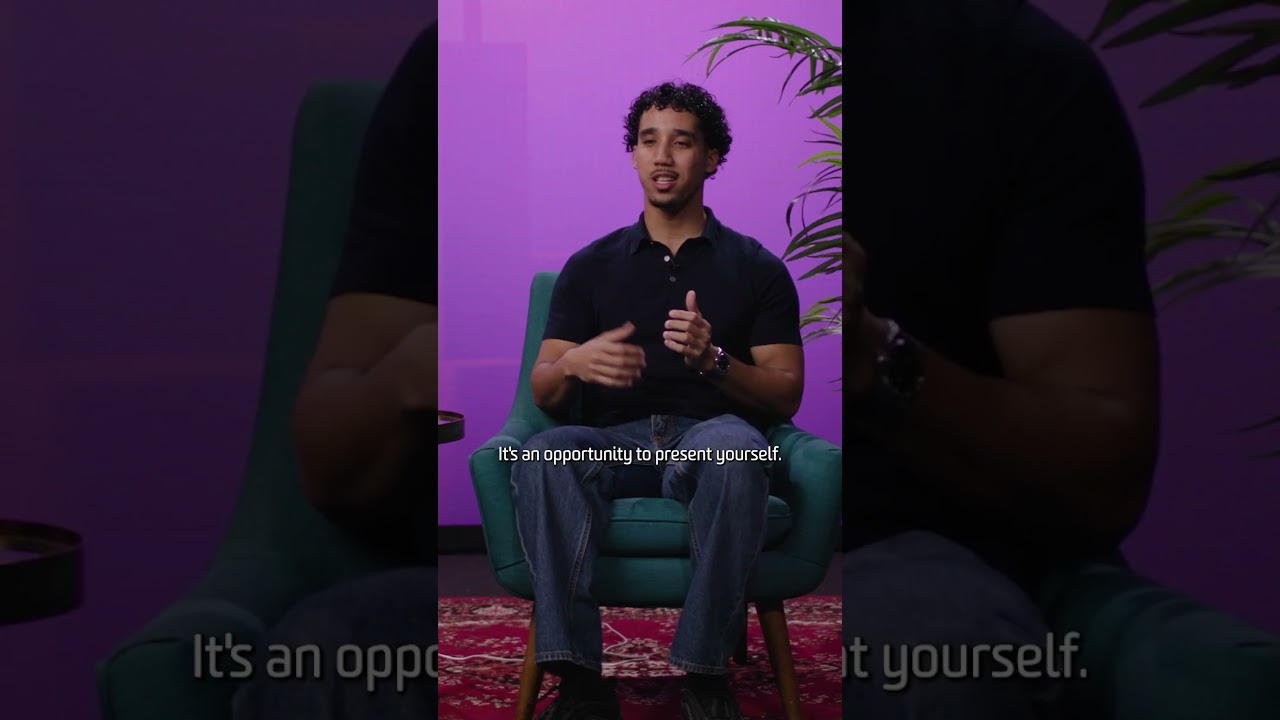
Creating a global network that opens doors through Deakin.

Top 3 tips for international business and commerce students.

Maxwell shares his top tip for business and commerce students.
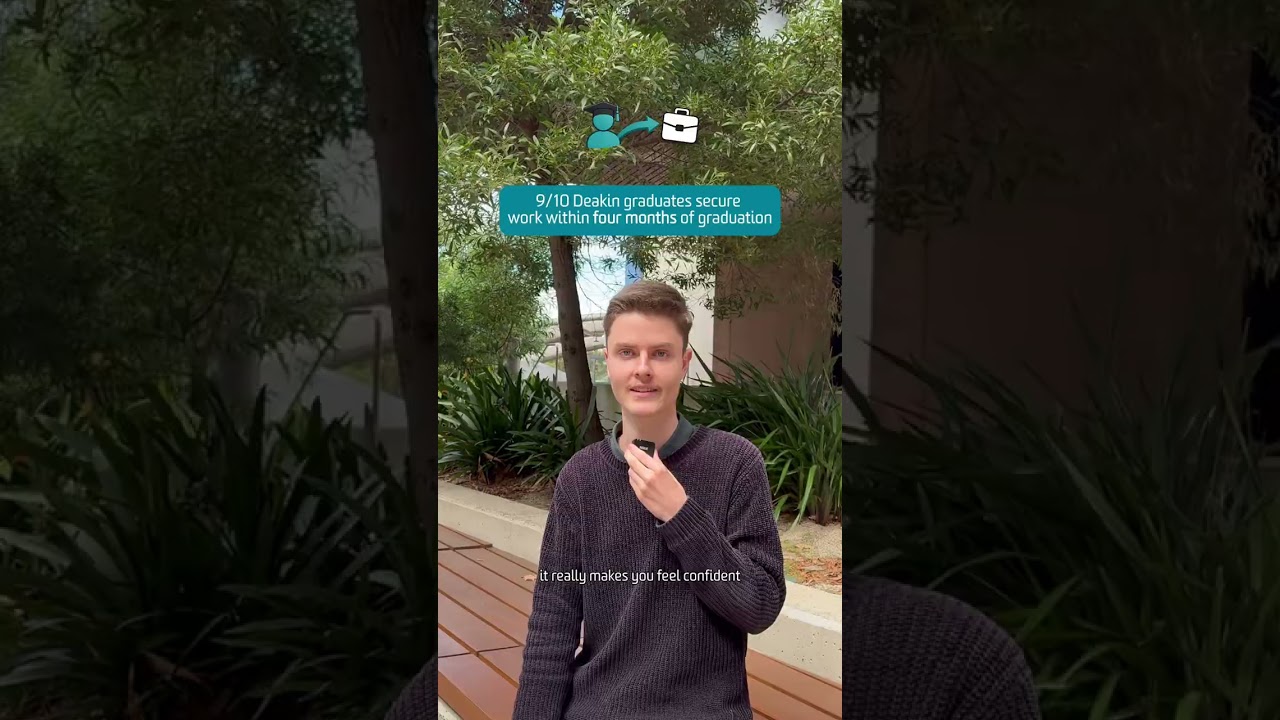
Ryan on feeling career ready after graduation.
Work-integrated learning
'I think the guaranteed 80 hours of work-integrated learning (WIL) is important because it equips our students with job-ready skills,' says Dr Vuong. 'It puts them in situations where they can apply everything they've learned throughout their programme into a practical setting.'
There are many ways to complete your WIL hours, including internships, mentoring, consulting projects or volunteering with industry and community organisations. You can also travel overseas or take on a consultancy clinic – Deakin Business School works with a range of industry partners across sectors like superannuation, banking, accounting and financial planning, so you're matching theory to the real world well before you graduate.
What jobs can you get with each degree?
The Bachelor of Business can lead to roles including:
- AI and information systems manager
- brand manager
- business analyst
- entrepreneur
- human resource officer
- marketing lead
- project manager
- technology consultant.
The Bachelor of Commerce can lead to roles including:
- auditor
- data or market analyst
- economist
- financial analyst
- financial planner
- investment or banking professional.
Ready to explore your options?
Take a closer look at Deakin's Bachelor of Business and Bachelor of Commerce.