
How trauma-informed practice sets Deakin teaching students apart
At Deakin, we set you up with more than a teaching qualification – we prepare you for the realities of today's classrooms. From day one, you'll feel confident, capable and ready to make a real difference.
That’s why every initial teaching degree at Deakin now includes the Berry Street Education Model (BSEM) training, giving you practical, trauma-informed strategies to support all learners, manage challenging behaviour and build positive classroom relationships.
Professor Damian Blake, Head of Deakin’s School of Education, and Debra Gibson, Principal at a leading trauma-informed school located in Melbourne, share how this training sets you up for success – and gives you the competitive edge schools are looking for.
Ready for the realities of the classroom
As a teacher, you'll play a significant role in shaping the lives of young people – helping young people find their voice, build their strengths and grow into thoughtful, engaged members of society.
It's an incredibly rewarding career, but it's not without its challenges.
Today's classrooms are complex. Students come with diverse learning needs and often face difficulties that aren't always visible, from trauma and social pressures to mental health and wellbeing.
That's why having the right strategies matters. At Deakin, we've partnered with Berry Street to embed trauma-informed training into every initial teaching degree, giving you the skills to build safe, positive learning environments for all learners.
But what exactly is trauma-informed teaching? And why is it so important?
Why trauma-informed teaching matters
Trauma-informed teaching recognises how trauma can manifest in the classroom and provides teachers with practical, evidence-based strategies to respond effectively.
‘Whether they know it or not, many teachers today are working with students who’ve experienced trauma,’ says Damian Blake, Head of the School of Education at Deakin.
‘In some cases, that trauma is evident: if a student has previously lived in a conflict zone, for example. But it can also stem from less obvious causes such as family violence, displacement, housing insecurity…all sorts of things.’
Trauma can significantly impact students' learning and behaviour, so it’s important that teachers are equipped to recognise it and offer constructive support.
'If teachers don't understand how trauma manifests, they may respond in ways that unintentionally make things worse. That leads to more disruption in the classroom, more stress for the teacher and worse outcomes for students.'
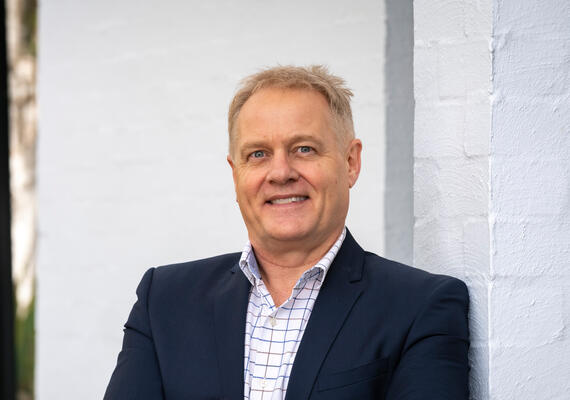
Trauma can affect a student’s ability to focus, regulate emotions and engage with learning. With the right training, teachers can recognise when behaviour might be linked to trauma and respond with strategies that de-escalate situations and offer the right support.
Head of Deakin's School of Education
Real skills from trauma-informed experts
To equip graduates with the tools they need, Deakin has partnered with Berry Street one of Australia’s leading experts in trauma-informed education. As a result, every Deakin teaching student will now complete Berry Street Education Model (BSEM) training as part of their degree.
Designed by educators for educators, the BSEM is a practical, research-backed program that helps future teachers build both a trauma-informed mindset and toolkit.
The training covers critical topics such as:
- How trauma affects the developing brain
- How trauma can manifest in behaviour
- How to respond in ways that support both learning and wellbeing.
For Damian, this partnership marks a major step forward in preparing future educators for the realities of the profession.
‘This is one of the most significant things we’ve done in teacher education,’ he says. ‘By equipping teachers with the knowledge and strategies needed to respond appropriately to trauma when they see it, we’re helping them be more confident and resilient.’
Bringing greater equality to the classroom
Debra Gibson, Principal at Doveton College in Melbourne, has seen the benefits of trauma-informed practice firsthand and agrees that BSEM training is a game-changer.
‘Trauma-informed practice helps create a more inclusive learning environment,’ she says. ‘Not every child is affected by trauma, but these strategies will benefit everyone. A trauma-informed mindset brings greater equality to the classroom.’
This understanding is especially powerful for graduates in their early years of teaching.
‘Those first three years can be challenging,’ Debra explains. ‘But if a graduate comes in understanding trauma and has a toolkit of strategies to draw on, they’re more confident and competent.
‘They can recognise what’s happening in the classroom, respond with care and not take things personally. And that’s empowering.’
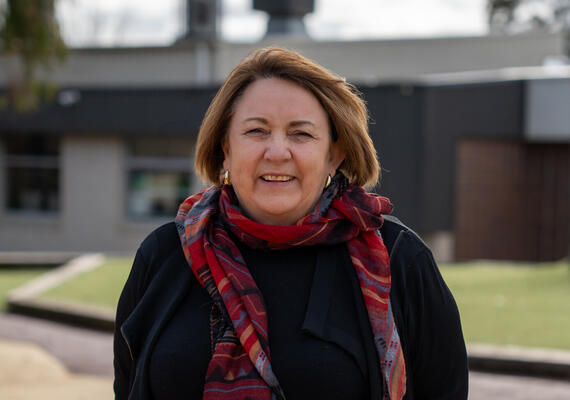
Trauma-informed practice is about more than kindness. It’s about creating calm and orderly learning environments that make students feel safe and reduce their cognitive load. It lays the foundation for stronger engagement, greater focus and lasting academic growth.
Principal, Doveton College
A valuable credential and a competitive edge
All Deakin teaching students will graduate with a formal certificate from Berry Street – a highly regarded credential recognised by schools across Australia.
‘Deakin is the only Australian university to embed the Berry Street Education Model (BSEM) into initial teaching education courses. This is a real asset for graduates entering the job market,’ says Damian. ‘Many schools already train their staff in Berry Street’s approach. So, walking in with this certificate sets you apart.’
Debra agrees. ‘When a graduate with Berry Street training joins the school, it absolutely makes a difference. It means less cognitive load for them in their first few months at the school. They already speak our language. They can slot into our systems, support students and feel confident to make a difference straight away.’
The unit can be completed online or in person and does not add to the overall length of your degree. Most importantly, you'll complete the unit before starting your placements, so you can immediately put what you’ve learned into practice.
Graduate with more than a degree
Deakin’s investment in trauma-informed training reflects a bigger commitment: producing highly skilled, resilient teachers who are ready for the realities of 21st-century classrooms.
Alongside BSEM training, you’ll benefit from future-focused course content, extensive placement opportunities and excellent industry connections – all designed to give you the skill, mindset and professional edge today's school leaders are seeking.
As Damian puts it: ‘When we prepare teachers properly – giving them a comprehensive understanding of student needs and a practical toolkit of strategies to draw on in the classroom – it doesn’t just benefit them. It benefits their students, too. It’s an absolute no-brainer.’
BSEM training is one more way Deakin ensures you graduate ready to teach with confidence, compassion and impact. So you’re set to thrive in your classroom – and career – from your very first day.