


#1 Victorian university for course satisfaction

#1 public university in Australia for facilities and resources

$185,000 average construction manager salary
Why choose Deakin
Build advanced management skills for the construction industry through multidisciplinary, industry-connected learning. You will develop the practical, theoretical and research capabilities needed to succeed, with knowledge in topics such as procurement, project economics and cost management, and sustainability. Strengthen your leadership, teamwork, communication and problem-solving skills – key qualities sought by employers.
The two-year Master of Construction Management (Professional) is designed for built environment graduates who want to take their careers to the next level. It is also an ideal entry pathway into construction management for other professionals with relevant experience. With an in-depth understanding of legal, economic and environmental issues, you will be well-suited for roles such as quantity surveyor, project manager or construction manager with construction and property firms or in consulting.
-
Unbeatable employability
Develop knowledge aligned with industry standards to support your career progression in construction management roles.
-
Degrees shaped by industry
The Master of Construction Management (Professional) reflects current construction practices and employer needs.
-
Practical learning for every student
Gain hands-on experience through industry projects that build skills in construction management.
-
Future-focused skills
Grow capabilities in project delivery, cost control and risk management to confidently lead complex construction projects.


Connected to industry
Deakin’s strong industry connections help shape your learning. Build practical experience in real workplace contexts through work-integrated learning, mentoring and networking opportunities. Industry advisory boards also help shape our degrees, which means what you study is current, relevant and aligned to what your future employers need.

Deakin puts employability first
Career outcomes
Advance your career with the knowledge and leadership skills to manage complex construction projects and prepare for future leadership roles across the construction industry.
Construction manager
Oversee the day-to-day delivery of construction projects by managing site operations, coordinating contractors, monitoring safety and quality, and ensuring work is completed efficiently and to plan.
- $185K
Typical annual salary in Australia
- 10.2%
Projected job growth in 5 years
- 4.3/5
Job satisfaction


Project manager
Lead the planning and delivery of construction projects by coordinating teams, budgets, timelines and stakeholders from project initiation through to successful completion.
- $150K
Typical annual salary in Australia
- 9.3%
Projected job growth in 5 years
- 4.1/5
Job satisfaction
Other jobs
- Contract administrator
- Quantity surveyor
- Safety manager
- Building surveyor
- Estimator
- Property developer



“The course does a great job of reflecting how the industry actually works. The assignments are structured in a way that pushes you to think like a project manager – planning, analysing risks, managing costs and making decisions based on real constraints.”
NancyMaster of Construction Management (Professional)
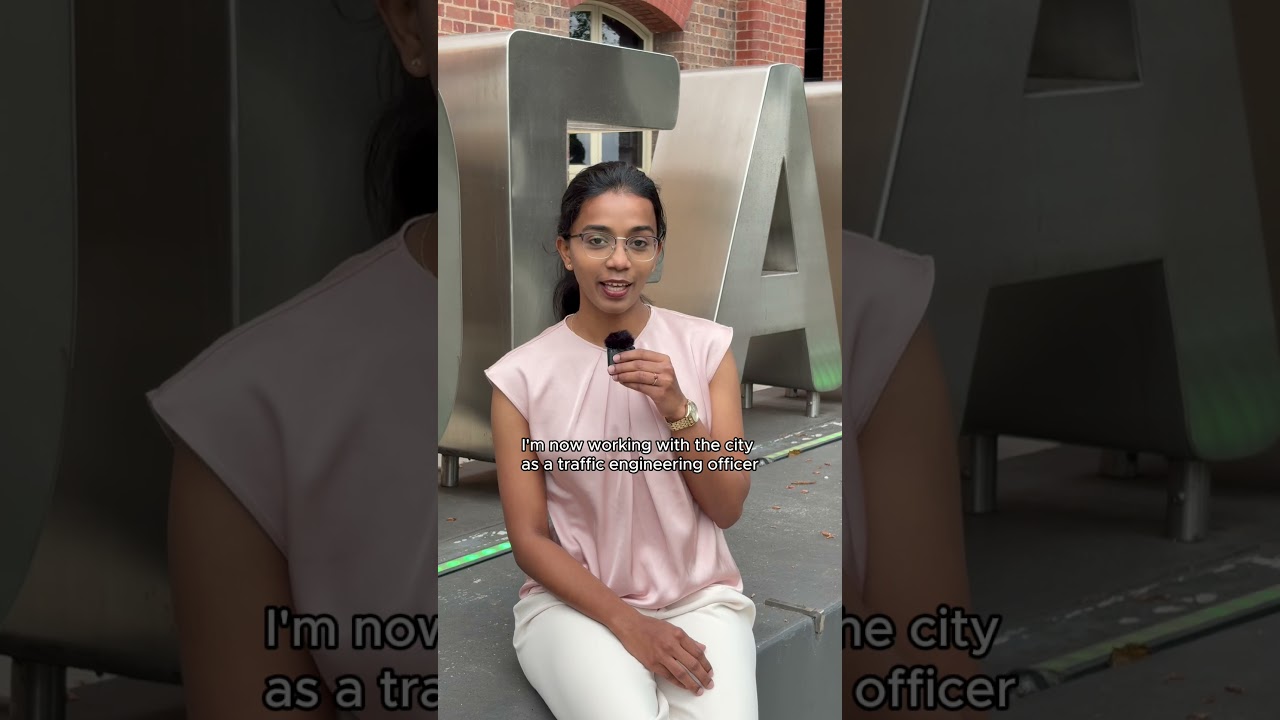
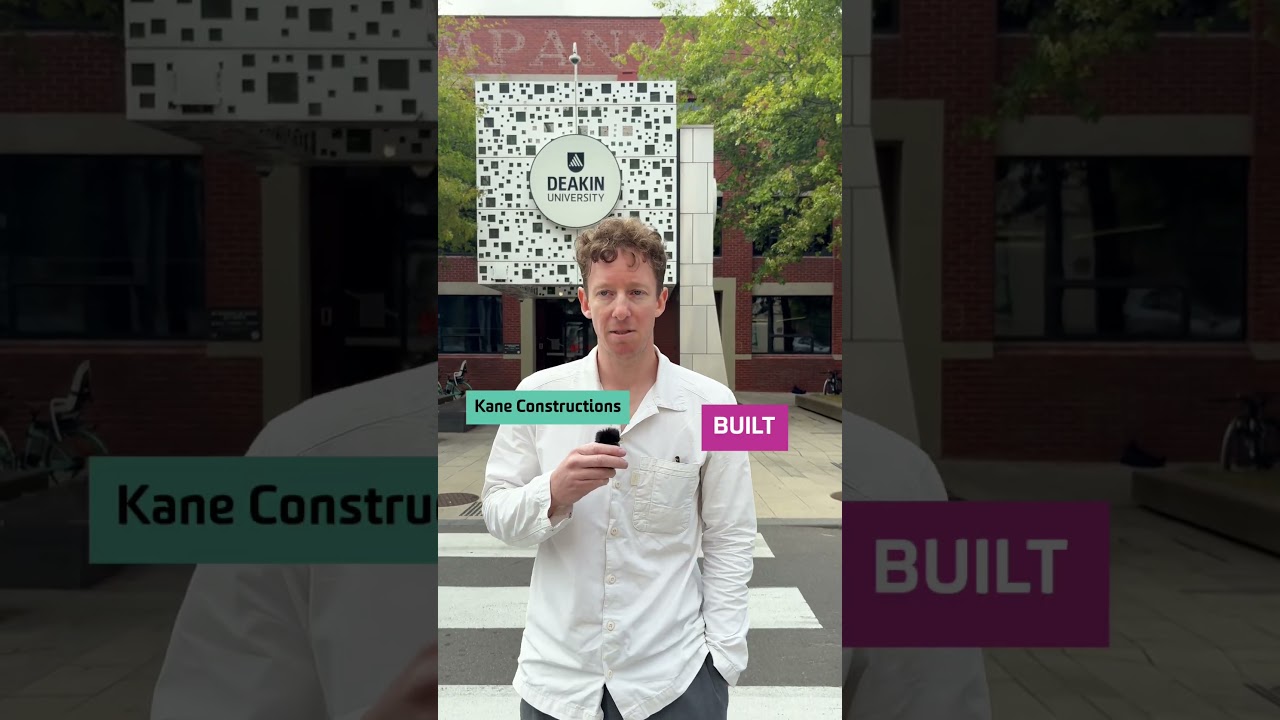
Stories that start here


Key dates

Direct applications
Trimester 3 2026 applications are closed.
Trimester 1 2027 applications close 7 February 2027

Download a course guide
Study at Deakin and be rewarded with new skills that will give you an edge in the job market
FAQs
To become a construction manager, build capability in project delivery, cost planning, procurement, contracts, risk and stakeholder management. Deakin’s Master of Construction Management develops these built environment skills, supporting pathways into construction management, project management, quantity surveying, contract administration and development roles.
The principles of construction management include project planning, cost control, procurement, contracts, risk, safety, sustainability and communication across project teams. Deakin’s Master of Construction Management connects these principles with built environment practice, helping you build capability for construction management, quantity surveying and project delivery roles.
Salary outcomes depend on your role, sector and experience, rather than the degree alone. Deakin's Master of Construction Management can support progression into construction manager, project manager, quantity surveyor, contract administrator or development roles.
Yes, the Master of Construction Management can support career advancement if you want to move into project, cost, contract or construction leadership roles. The course develops built environment capability across procurement, cost planning, project delivery and professional practice, helping you progress in construction, development and infrastructure sectors.
Architecture focuses on designing buildings and spatial experiences, while construction management focuses on delivering built environment projects safely, on time and within budget. Deakin’s Master of Construction Management develops cost planning, procurement, contracts and project delivery skills for construction, infrastructure and development roles.
Related courses






*Deakin references data from a range of government, higher education and reputable media sources. Learn more about our achievements on our University rankings page, or explore our sources page for supporting references.
What will I study in the Master of Construction Management (Professional)?
Build your capability in construction management through a combination of applied learning and research. Gain the skills required to manage complex construction projects.
Learn core knowledge
Understand key discipline principles
Explore construction processes, project planning and management fundamentals.
Increase your technical understanding
Build knowledge of contracts, cost management and project delivery frameworks.
Strengthen professional skills
Improve communication, leadership, teamwork and problem-solving skills for construction contexts.
Apply knowledge in practice
Advance your specialisation
Focus on complex project management and strategic decision-making.
Engage in practical learning
Undertake applied projects or industry-informed research that reflect professional practice.
Prepare for leadership roles
Focus on management principles to graduate ready to manage projects, teams and stakeholders in construction environments.
Course structure
To complete the Master of Construction Management (Professional), you must pass 8, 12 or 16 credit points.
The number of credit points required may vary, depending on your entry point or how much credit you receive as Recognition of prior learning (RPL) based on your professional experience and previous qualifications.
Are you a current student? For course information that applies to the year you started your degree, visit the handbook.
All students are required to meet the University's academic progress and conduct requirements
Units
You are required to complete 13 core units (these are essential units for this degree).
In your first trimester you must also complete three 0-credit point units which are compulsory for this degree.
Year 1 - Trimester 1
Year 1 - Trimester 2
Plus 1 credit point from the course elective list
Year 2 - Trimester 1
Plus 1 credit point from the course elective list
Year 2 - Trimester 2
*Unit offered in Trimester 1 and Trimester 3
**Unit offered in Trimester 1 and Trimester 2
# Students intending to apply for entry into Higher Degree by Research may be required to complete SRR711 Thesis instead of SRR721 Construction Research Project
~ Completion of STP710 Career Tools for Employability (0-credit point compulsory unit) as a co-requisite
You must choose two course elective units from this list (subject to meeting unit requirements).
Professional recognition
This course is professionally accredited by the Royal Institution of Chartered Surveyors (RICS), Chartered Institute of Building (CIOB), Australian Institute of Quantity Surveyors (AIQS), and the Australian Institute of Building (AIB).

What to expect while studying
Course duration may be affected by delays in completing course requirements, such as failing of units or accessing or completing placements.
Any unit which contains work integrated learning, a community placement or interaction with the community may require a police check, Working with Children Check or other check.
You can expect to participate in a range of teaching activities each week. This could include lectures, seminars, site visits and online interaction. You can refer to the individual unit details in the course structure for more information. You will also need to study and complete assessment tasks in your own time.
You can apply to undertake a discipline-specific industry placement as part of your course. Visit deakin.edu.au/sebe/wil
At Deakin, we're committed to ensuring an inclusive environment that supports all students to belong, thrive and succeed. We work closely with students, where needed, to identify potential barriers to participation and where possible, provide tailored support so students can engage with learning and assessment activities.
If you are neurodivergent, have a disability, health condition or mental health condition that may impact your study or participation in university life, and want to know how Deakin could support you, contact our Domestic students (opens in a new window) or International students (opens in a new window) or Disability Resource Centre (opens email client) teams for a collaborative and confidential discussion. This discussion is to support you to make plans for your studies and future career and will not have any bearing on your application to the course.
When can I start?
When you study depends on your course, location and available intakes. Check the table to see when you can start and how study is offered throughout the year.
Your course learning outcomes describe the knowledge, skills and capabilities you’ll develop and be able to demonstrate by the time you graduate. Built into your course through your units and assessments, they provide a clear picture of what you’ll be equipped to know, understand and do – preparing you to apply your learning with confidence beyond university.
| Course Learning Outcomes |
|---|
| Integrate broad and specialist knowledge of construction management practices in the industry and advocate sustainable management of social built environments in urban, regional and rural communities through professional practice. Apply an integrated specialised and evidence-based scholarly knowledge of ever-changing construction industry practices in order to improve construction economics and construction life cycle management. Develop and demonstrate a complex body of knowledge of construction management and practices, cost planning and control, legal and risk management in order to manage construction companies and projects. |
| Communicate clearly, professionally and responsibly with specialist and non-specialist audiences in a variety of contexts using oral, written, graphical and interpersonal skills to inform, negotiate, lead and motivate a project team. Engage with a variety of participants and contributing influences including legal, economic and environmental impacts in construction projects to mediate, negotiate and collaboratively resolve issues and conflicts. |
| Apply knowledge of relevant technical tools and methodologies to locate, collect, analyse and synthesise complex information from a variety of sources to prepare cost benefit plans and legal, risk and environment implication analyses for construction projects. Apply knowledge of digital technologies for modelling and scenario building, including information systems to evaluate and assess various scenarios for disseminating relevant analysis to clients. |
| Use expert reasoning and analysis skills, drawing on knowledge and information from a range of professional or scholarly sources to reflect on, analyse and synthesise complex legal, economic and environmental influences and impacts for collaboratively and independently planning and making decisions in construction. |
| Apply specialized technical skills and judgment to identify potential legal, environmental and economic risks and problems and recommend appropriate solutions for effective risk management in construction. Demonstrate professionalism, autonomy and well-developed judgement to independently and collaborative generate strategies and solutions to manage construction projects at various stages including planning, implementing, construction and evaluation of the built environment. |
| Apply critical reflection and use frameworks of self and peer evaluation to develop independent judgment, adaptability and responsibility for expert professional practice and / or scholarship. |
| Apply interpersonal skills to interact, contribute, collaborate and develop leadership skills through teamwork activities, and enhance project potential through shared individual and collective knowledge and creative capacity to optimise complex problem resolution. |
| Engage ethically and professionally when working in a variety of construction management situations through concern for legal, economic, environmental and social risks both nationally and globally. |
Approved by Faculty Board 27 June 2019
- Award granted
- Master of Construction Management (Professional)
- Year
2027 course information
- Deakin code
- S792
- Level
- Higher Degree Coursework (Masters and Doctorates)
- Australian Qualifications Framework (AQF) recognition
The award conferred upon completion is recognised in the Australian Qualifications Framework at Level 9
Fees
Estimated tuition fee
$10,160
for 1 yr full-time - Commonwealth Supported Place (CSP)
The estimated tuition (student contribution) fee above is based on a typical first-year full-time enrolment of 8 credit points and is provided as a guide only. Your student contribution is determined by the units you enrol in and will vary depending on the units you choose, your study load, the course duration, and any approved recognition of prior learning. You may also be eligible for a HECS-HELP loan to defer payment of all or part of your student contribution.
Check your eligibility or learn more about CSP or HECS-HELP.

Scholarships
We want to help you excel at Deakin. Our scholarships recognise your dedication and achievements, providing financial support that can ease the cost of living and studying. With less pressure, you'll have more freedom to focus on what matters most – your education and future success.
Applications for 2027 are open
Ready to take the next step? Apply now to start your journey at Deakin and get ready for what’s next.
Key dates
Direct applications
Trimester 3 2026 applications are closed.
Trimester 1 2027 applications close 7 February 2027
Apply now

Apply direct
Simply create an account in the Deakin Application Portal, enter your personal and educational details, upload your supporting documents and submit your application.
Recognition of prior learning
We value your previous study and experience. Recognition of prior learning enables you to get credit for what you've already achieved. When you apply, we'll consider your previous study and experience for recognition of prior learning.
Recognition of prior learning may be granted for relevant postgraduate studies, in accordance with standard University procedures.