


#13 worldwide for education

Engaging practical learning such as case studies

PhD pathway option or specialist studies
Why choose Deakin
Advance from experienced educator to confident leader with Deakin’s Master of Education (Leadership and Learning). Ranked #13 globally and #3 in Australia for education and education research, Deakin offers a postgraduate course designed for qualified teachers ready to move from the classroom into middle and senior leadership.
Build leadership capabilities, including understanding policy and context, using evidence to improve practice, supporting staff development and wellbeing, and leading innovation and change. Strengthen broader skills that support career progression, including communication, digital literacy, critical thinking, problem solving, teamwork, self-management and ethical leadership.
Study online, on your terms, and finish in as little as 12 months full-time. Choose specialist study options and a pathway to PhD-level research. Graduates go onto roles such as principal, assistant principal, curriculum leader, program leader or educational administrator.
-
Top-ranked for education
Study at the #13 university globally and #3 in Australia for education and educational research.
-
Leadership skills for change
Advance into leadership roles such as principal, assistant principal and more.
-
Flexible online degree
Study online, on your terms, and finish in as little as 12 months full–time.
-
A pathway you can choose
Choose a specialist sequence and research pathway, with a PhD option available.


Connected to industry
Deakin’s strong industry connections help shape your learning. Build practical experience in real workplace contexts through work-integrated learning, mentoring and networking opportunities. Industry advisory boards also help shape our degrees, which means what you study is current, relevant and aligned to what your future employers need.

Deakin puts employability first
Career outcomes
With opportunities to work across a broad range of educational contexts, including schools, early childhood education, higher education, vocational and professional education, career opportunities are significant for emerging and established educational leaders.
School principal
Lead a school community, guide teachers and staff, oversee curriculum and operations, and develop policies and practices that support safe, inclusive and effective learning.
- $158k
Typical salary in Australia
- 719
Jobs advertised


School manager
Oversee the non-academic and business operations of a school, focusing on finances, daily operations and staff supervision.
- $120k
Typical annual salary in Australia
- 1,977
Jobs advertised
Other jobs
- School assistant principal
- Lead school teacher
- Year group coordinator
- Educational administrator
- Organisational development manager
- Corporate education lead

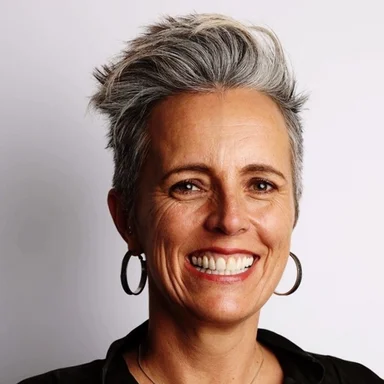

“I've gained a solid understanding of leadership principles and their application in educational contexts. And I plan to continue applying them in the future – especially to guide and support other aspiring educational leaders.”
JenMaster of Education (Leadership and Learning)
Stories that start here




Key dates

Direct applications
Trimester 1 2027 applications close 7 February 2027
FAQs
There is no single qualification required to become a school principal in Australia, but principals typically have a recognised teaching qualification, substantial teaching experience and a strong background in educational leadership. Deakin's Master of Education (Leadership and Learning) is designed for educators who want to develop advanced leadership, curriculum and change management capabilities. The course builds expertise in evidence-informed practice, leadership and learning design, supporting progression into leadership roles across schools and education systems.
Yes, Deakin's Master of Education (Leadership and Learning) can be valuable for teachers and education professionals looking to advance into leadership, curriculum, learning design and broader educational leadership roles. The course focuses on educational leadership, evidence-informed practice and professional learning, helping you develop the skills to lead change, improve learning outcomes and support professional growth across schools, education systems and other learning organisations.
Deakin's Master of Education (Leadership and Learning) is designed for working education professionals, with flexible study options that can help you fit postgraduate study around teaching and other commitments. The course allows you to apply leadership, learning and professional practice concepts directly to your workplace, helping you build new skills while continuing to work. By studying part time or taking advantage of online learning where available, many educators are able to balance their professional responsibilities with postgraduate study.
You can apply for Deakin's Master of Education (Leadership and Learning) through the standard course application process and request an assessment for credit for prior learning at the same time. Credit may be available based on relevant previous study, professional development or work experience. If you're unsure whether your experience may be eligible for credit, Deakin can assess your individual circumstances and advise on any available credit pathways.
Tuition fees for Deakin's Master of Education (Leadership and Learning) vary depending on factors such as your study load, fee type and any approved credit. Check the fee information and details about available scholarships, government support and payment options.
Related courses







*Deakin references data from a range of government, higher education and reputable media sources. Learn more about our achievements on our University rankings page, or explore our sources page for supporting references.
What will I study in the Master of Education (Leadership and Learning)?
Build the knowledge and networks to become an inspiring leader. Advance your career in education and make a real difference in your organisation.
Build your leadership foundation
Understand leadership in context
Explore how policy, context and changing local and global pressures shape educational leadership.
Use evidence to improve practice
Strengthen your judgement. Learn to analyse evidence, evaluate improvement efforts and make informed decisions.
Lead people and change
Develop practical approaches to staff development, wellbeing, innovation and improvement. Build the confidence to guide teams and support sustainable change.
Shape your pathway
Build research capability
Strengthen your skills in research design, methodology and inquiry. Investigate leadership questions and turn complex issues into clear, useful findings.
Choose your professional direction
In the non-PhD pathway, pair research with one elective sequence linked to your field.
Match study to your next step
Choose the PhD pathway for sustained research preparation, or the non-PhD pathway for a practice-focused project and targeted specialisation.
Course structure
To complete the Master of Education (Leadership and Learning), you must pass 8 credit points. The number of credit points required may vary, depending on your entry point or how much credit you receive as recognition of prior learning (RPL) based on your professional experience and previous qualifications.
Most units are equal to one credit point. As a full-time student you will study four credit points per trimester.
Are you a current student? For course information that applies to the year you started your degree, visit the handbook.
All students are required to meet the University's academic progress and conduct requirements
Units
Compulsory 0-credit point units
To be completed in the first trimester of study:
Units
Option 1: PhD Pathway
Option 2: Non-PhD Pathway
Plus 2 credit points of course electives selected from one elective sequence below
Please complete 2 credit points from your chosen elective sequence
Adult, Vocational Education and Training:
Early Childhood:
Higher Education:
Inclusive Education:
Trauma-Responsive Education:
Please note students who complete four (4) credit point research unit pathway will be eligible for a PhD pathway. Students who complete the two (2) credit point research unit pathway will not be eligible for a PhD pathway.

What to expect while studying
You may be able to study available units in the optional third trimester to fast-track your degree, however your course duration may be extended if there are delays in meeting course requirements, such as completing a placement.
Any unit which contains work integrated learning, a community placement or interaction with the community may require a police check, Working with Children Check or other check.
Students are introduced to research training through a one credit point introductory unit in research design & method; and this training is deepened through an additional research unit and/or completion of research via a Research Paper (two credit points).
At Deakin, we're committed to ensuring an inclusive environment that supports all students to belong, thrive and succeed. We work closely with students, where needed, to identify potential barriers to participation and where possible, provide tailored support so students can engage with learning and assessment activities.
If you are neurodivergent, have a disability, health condition or mental health condition that may impact your study or participation in university life, and want to know how Deakin could support you, contact our Domestic students (opens in a new window) or International students (opens in a new window) or Disability Resource Centre (opens email client) teams for a collaborative and confidential discussion. This discussion is to support you to make plans for your studies and future career and will not have any bearing on your application to the course.
When can I start?
When you study depends on your course, location and available intakes. Check the table to see when you can start and how study is offered throughout the year.
This is not an initial teacher education qualification. Students wishing to enter the profession of teaching should instead consider one of our Master of Teaching courses
Your course learning outcomes describe the knowledge, skills and capabilities you’ll develop and be able to demonstrate by the time you graduate. Built into your course through your units and assessments, they provide a clear picture of what you’ll be equipped to know, understand and do – preparing you to apply your learning with confidence beyond university.
| Course Learning Outcomes |
|---|
| Demonstrate and apply advanced knowledge of key principles, theories and evidence-informed practice supporting ethical and sustainable leadership in education contexts. |
| Interpret and justify contemporary and innovative leadership practices that are responsive to current global and local challenges faced by education leaders and utilise effective communication to inform and motivate change. |
| Use digital technologies to conduct effective research into matters related to educational leadership in local and global contexts and apply digital literacy skills to support effective communication with wider audiences |
| Critically review current literature and research informing educational leadership contexts, policy and practices, and apply analytic and strategic thinking to implement informed judgements and effective change. |
| Apply research skills to design and conduct an evidence-informed investigation of a local educational leadership problem and communicate findings to the wider audience. |
| Demonstrate advanced levels of personal leadership and professional independence to plan and implement effective investigations and change proposals. |
| Work effectively with colleagues and relevant team members to develop, refine and conduct investigations and change proposals. |
| Engage ethically and productively in matters relating to leadership practice and research, and demonstrate respect and integrity in relation to First Nation’s peoples and diverse communities and cultures in a global context. |
Approved at Faculty Board June 2022
- Award granted
- Master of Education (Leadership and Learning)
- Year
2027 course information
- Deakin code
- E725
- Level
- Higher Degree Coursework (Masters and Doctorates)
- Australian Qualifications Framework (AQF) recognition
The award conferred upon completion is recognised in the Australian Qualifications Framework at Level 9
Fees
Estimated tuition fee
$4,909
for 1 yr full-time - Commonwealth Supported Place (CSP)
The estimated tuition (student contribution) fee above is based on a typical first-year full-time enrolment of 8 credit points and is provided as a guide only. Your student contribution is determined by the units you enrol in and will vary depending on the units you choose, your study load, the course duration, and any approved recognition of prior learning. You may also be eligible for a HECS-HELP loan to defer payment of all or part of your student contribution.
Check your eligibility or learn more about CSP or HECS-HELP.

Scholarships
We want to help you excel at Deakin. Our scholarships recognise your dedication and achievements, providing financial support that can ease the cost of living and studying. With less pressure, you'll have more freedom to focus on what matters most – your education and future success.
Applications for 2027 are open
Ready to take the next step? Apply now to start your journey at Deakin and get ready for what’s next.
Key dates
Direct applications
Trimester 1 2027 applications close 7 February 2027
Apply now

Apply direct
Simply create an account in the Deakin Application Portal, enter your personal and educational details, upload your supporting documents and submit your application.
Recognition of prior learning
We value your previous study and experience. Recognition of prior learning enables you to get credit for what you've already achieved. When you apply, we'll consider your previous study and experience for recognition of prior learning.
Recognition of prior learning may be granted to applicants based on prior studies and/or equivalent industry experience.
Pathways
Applicants who have successfully completed a Deakin-provided Graduate Certificate course in an education-related study will be offered a guaranteed entry.