


Only degree of its kind in Australia

Unbeatable employability career focused education

Course developed in consultation with industry
Why choose digital marketing and advertising at Deakin
Unlock your creative, strategic and digital potential with Deakin’s Bachelor of Digital Marketing and Advertising; the only degree of its kind offered by an Australian university. Explore the full spectrum of brand communication, where data, consumer relationships, creativity and technology collide. Study consumer psychology and business analytics while building your advertising craft – from copywriting and art direction to social media content and brand campaigns. Turn audience insights into creative brand stories that capture attention and influence behaviour.
Work with the industry tools and emerging technologies driving today's digital economy. Develop the skills to engage ethically with AI, think strategically and create compelling content across digital platforms. Build in-demand data-driven marketing knowledge, advertising and AI capabilities. Graduate ready for careers across digital marketing, marketing and advertising.
-
Australia’s only degree of its kind
Build skills in digital marketing and advertising, from analytics to copywriting and art direction.
-
Created with industry
This degree has been shaped by industry demand and built to reflect projected job growth in the Australian market.
-
Experiential learning
Work on client briefs, build your portfolio, intern with one of Deakin’s 600+ partners, volunteer, study abroad, network and collaborate with peers.
-
Industry-grade studios
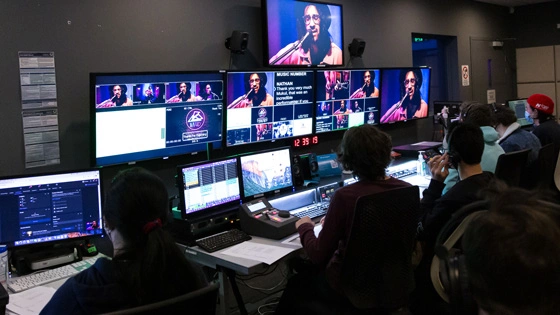
We are the #1 public university in Australia for facilities and resources. Create using professional tools and technologies, while developing ethical AI capabilities.

Connected to industry
Deakin’s strong industry connections help shape your learning. Build practical experience in real workplace contexts through work-integrated learning, mentoring and networking opportunities. Industry advisory boards also help shape our degrees, which means what you study is current, relevant and aligned to what your future employers need.

Deakin puts employability first
Career outcomes
Build creative, analytical and strategic skills for careers across digital marketing and advertising. You could shape brands, plan campaigns, create content and use audience insights to improve communication.
Social media manager
Plan social media strategies, create and oversee content, engage online communities and analyse performance. You may work with brands, agencies and influencers to strengthen digital communication.
- $88k
Typical salary in Australia
- 12.6%
Projected job growth in 5 years


Advertising manager
Plan, direct and coordinate advertising campaigns. Manage budgets, design strategies and work with creative teams.
- $93K
Typical salary in Australia
- 12,900
More advertising and marketing roles
Other jobs
- Brand designer
- Business analyst
- Communication designer
- Digital communications manager
- Digital designer
- UI/UX designer


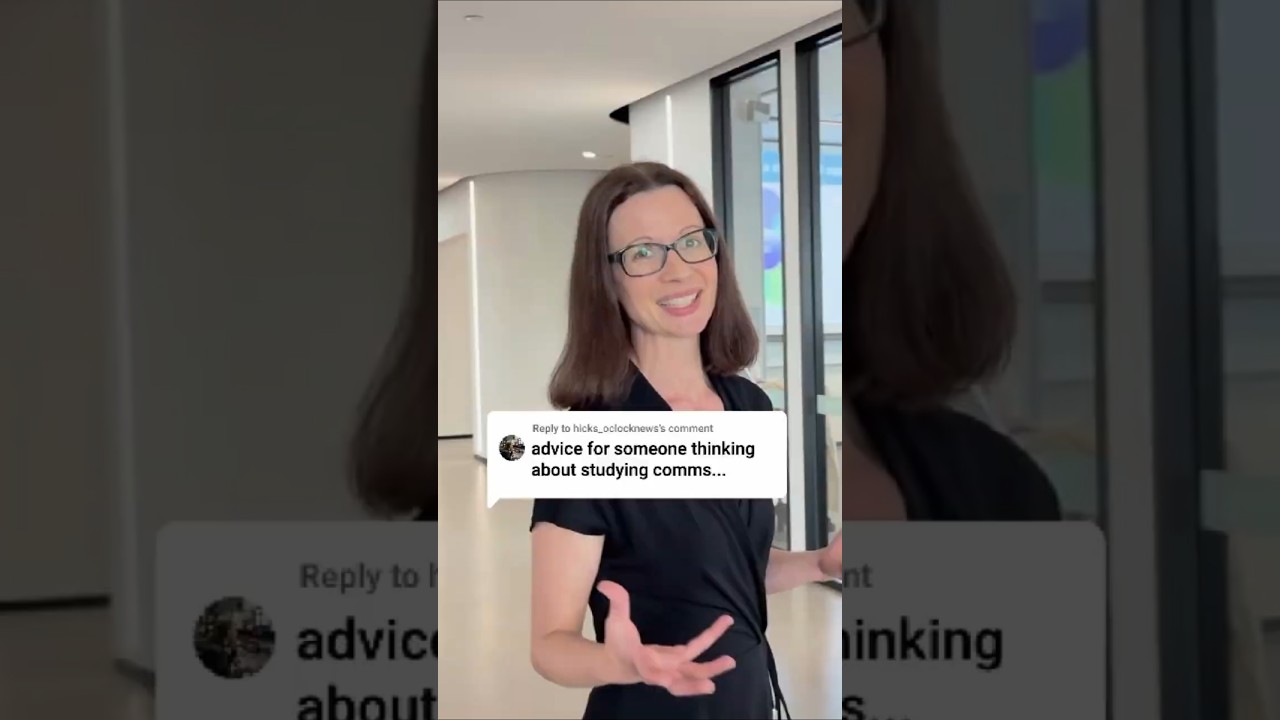
“This degree brings together data-driven strategy, creative agility and ethical AI capability. Students think critically, turn audience insights into impactful brand stories, and are job-ready through hands-on, industry-aligned experiences.”
Dr Jennifer MartinFaculty of Arts and Education
Stories that start here

Key dates

Direct applications
Trimester 1 2027 applications close 7 February 2027

VTAC
FAQs
Deakin's Bachelor of Digital Marketing and Advertising covers SEO, content strategy, social media marketing, digital advertising, analytics, consumer behaviour and brand management. You'll develop both the creative and strategic skills to plan, execute and measure campaigns across digital platforms, using current industry tools and working on real briefs throughout the degree.
Digital marketing focuses on strategy, data, SEO, social media and analytics – the planning and measurement side of reaching audiences online. Advertising focuses more on creative concept development, copywriting, art direction and campaign production. Deakin's Bachelor of Digital Marketing and Advertising combines both disciplines, preparing graduates who can lead campaigns creatively and evaluate their impact strategically.
Digital marketing units at Deakin cover search engine optimisation (SEO), paid advertising, social media strategy, email marketing, content creation, analytics and marketing automation. You'll also study consumer psychology, brand strategy and integrated campaign planning. Practical industry projects run throughout the degree so you graduate with a portfolio of real work.
Digital marketing is one of Australia's fastest-growing career fields. As businesses across every sector expand their online presence, demand for skilled digital marketers continues to grow. The Australian Government projects strong ongoing demand for marketing professionals, particularly in data-driven and digital-first roles. Deakin's Bachelor of Digital Marketing and Advertising is designed to match these evolving industry needs, with a curriculum built around current practice.
Related courses





*Deakin references data from a range of government, higher education and reputable media sources. Learn more about our achievements on our University rankings page, or explore our sources page for supporting references.
What will I study in the Bachelor of Digital Marketing and Advertising?
Unlock creative and data-driven marketing skills, blending strategy, technology and storytelling to shape powerful brands.
Build your foundations
Digital marketing basics
Learn how brands connect with people online and how platforms shape behaviour. Build the fundamental concepts you will use across the degree.
Advertising craft and storytelling
Start turning insights into ideas. Develop copywriting, visual thinking and brand messaging skills through hands-on tasks.
Data and consumer insight
Build confidence with analytics and consumer psychology so you can spot patterns and make creative decisions backed by evidence.
Grow your toolkit
Content that earns attention
Develop campaign-ready content for social and digital channels. Learn how to plan, create and refine work for different audiences.
Strategy meets creativity
Strengthen your ability to write briefs and align ideas to brand goals. Use industry tools and learn to engage with AI ethically.
Professional skills in action
Work on projects that mirror industry practice, building collaboration, feedback and presentation skills.
Create integrated campaigns
Integrated campaign delivery
Bring strategy, content and media together in end-to-end brand communication projects that reflect digital marketing and advertising work.
Measure and optimise performance
Learn to evaluate results using data and dashboards, then optimise creative and media choices based on what the evidence shows.
Career-ready experience and support
Complete Deakin’s renowned employability sequence and access internship opportunities to build your portfolio and professional networks.
Course structure
To complete the Bachelor of Digital Marketing and Advertising students must pass 24 credit points.
Most units are equal to one credit point. As a full-time student you will study four credit points per trimester and usually undertake two trimesters per year.
Are you a current student? For course information that applies to the year you started your degree, visit the handbook.
All students are required to meet the University's academic progress and conduct requirements
Units
Compulsory 0-credit point module
To be completed in the first trimester of study:
Level 1
Level 2
Level 3
Plus 1 credit point from:
Plus 1 credit point from:

What to expect while studying
You may be able to study available units in the optional third trimester to fast- track your degree, however your course duration may be extended if there are delays in meeting course requirements, such as completing a placement.
Any unit which contains work integrated learning, a community placement or interaction with the community may require a police check, Working with Children Check or other check.
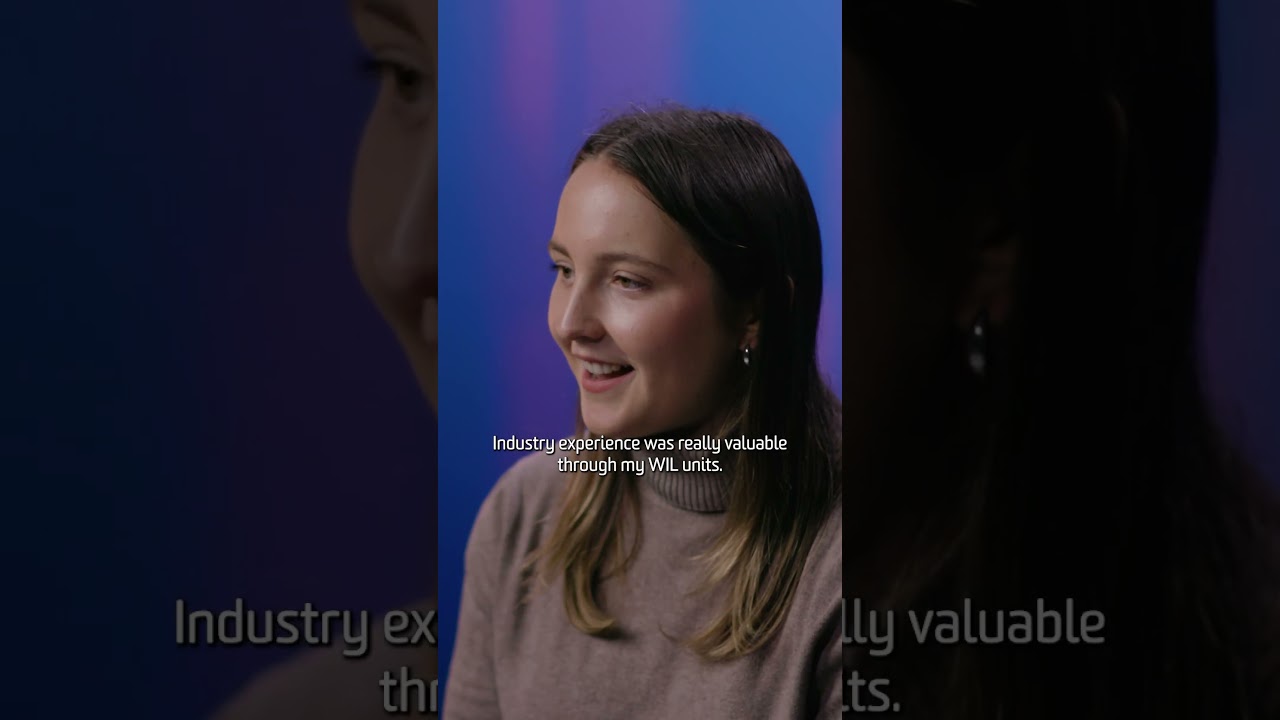
Prepare for your future by getting real world experience and the employability skills to succeed, while completing your degree. The Employability Stream is tailored to support you to be future ready. Deakin’s suite of Work Integrated Learning programs can connect you with internships, social impact programs and opportunities to extend your skills in settings across the globe.
Elective units may also provide additional opportunities for Work Integrated Learning experiences.
At Deakin, we're committed to ensuring an inclusive environment that supports all students to belong, thrive and succeed. We work closely with students, where needed, to identify potential barriers to participation and where possible, provide tailored support so students can engage with learning and assessment activities.
If you are neurodivergent, have a disability, health condition or mental health condition that may impact your study or participation in university life, and want to know how Deakin could support you, contact our Domestic students (opens in a new window) or International students (opens in a new window) or Disability Resource Centre (opens email client) teams for a collaborative and confidential discussion. This discussion is to support you to make plans for your studies and future career and will not have any bearing on your application to the course.
When can I start?
When you study depends on your course, location and available intakes. Check the table to see when you can start and how study is offered throughout the year.
Your course learning outcomes describe the knowledge, skills and capabilities you’ll develop and be able to demonstrate by the time you graduate. Built into your course through your units and assessments, they provide a clear picture of what you’ll be equipped to know, understand and do – preparing you to apply your learning with confidence beyond university.
| Course Learning Outcomes |
|---|
| Analyse, apply and evaluate theoretical and technical knowledge to produce ethical, authentic and effective marketing and advertising outcomes for the digital era. |
| Articulate knowledge of brand communication models and strategies within organisational contexts and produce compelling multimodal content for digital platforms and traditional media. |
| Analyse, evaluate and apply digital technologies in marketing and advertising practice to build and maintain mutually beneficial consumer and client relationships. |
| Identify and critically evaluate scholarly, industry media and market intelligence from diverse sources and apply insights in academic and practical contexts. |
| Identify relevant problems faced by organisations, and research, plan and formulate brand communication solutions that address complex consumer needs and values. |
| Learn in a self- directed manner, reflect on individual performance and take responsibility for current and ongoing professional development. |
| Work collaboratively on team-based projects, demonstrate initiative, provide and respond to constructive feedback and adapt flexibly to project demands. |
| Critically and ethically evaluate intercultural brand communication contexts and apply reflective thinking to work in consultation with Aboriginal and Torres Strait Islander peoples and across diverse social and cultural frameworks. |
Approved at Faculty Board
- Award granted
- Bachelor of Digital Marketing and Advertising
- Year
2027 course information
- VTAC code
To be advised
- Deakin code
- A337
- Level
- Undergraduate
- Australian Qualifications Framework (AQF) recognition
The award conferred upon completion is recognised in the Australian Qualifications Framework at Level 7
Fees
Estimated tuition fee
$14,971
for 1 yr full-time - Commonwealth Supported Place (CSP)
The estimated tuition (student contribution) fee above is based on a typical first-year full-time enrolment of 8 credit points and is provided as a guide only. Your student contribution is determined by the units you enrol in and will vary depending on the units you choose, your study load, the course duration, and any approved recognition of prior learning. You may also be eligible for a HECS-HELP loan to defer payment of all or part of your student contribution.
Check your eligibility or learn more about CSP or HECS-HELP.

Scholarships
We want to help you excel at Deakin. Our scholarships recognise your dedication and achievements, providing financial support that can ease the cost of living and studying. With less pressure, you'll have more freedom to focus on what matters most – your education and future success.
Applications for 2027 are open
Ready to take the next step? Apply now to start your journey at Deakin and get ready for what’s next.
Key dates
Direct applications
Trimester 1 2027 applications close 7 February 2027
VTAC
Apply now
Apply direct
Simply create an account in the Deakin Application Portal, enter your personal and educational details, upload your supporting documents and submit your application.

Apply through VTAC
Applications are open. Apply through VTAC if you're:
- currently in Year 12 and applying for Trimester 1 or Semester 1
- applying for multiple undergraduate courses
Need help? Follow our step-by-step undergraduate guide to prepare and submit your application.
Recognition of prior learning
We value your previous study and experience. Recognition of prior learning enables you to get credit for what you've already achieved. When you apply, we'll consider your previous study and experience for recognition of prior learning.
Pathways
Further studies are available at Honours and Postgraduate level. Many students choose to enter into the Bachelor of Communication and Creative Arts (Honours) or the Master of Communication.