


#13 in the world for nursing

94% students employed soon after graduating

Placements start in your first trimester
Why choose nursing at Deakin
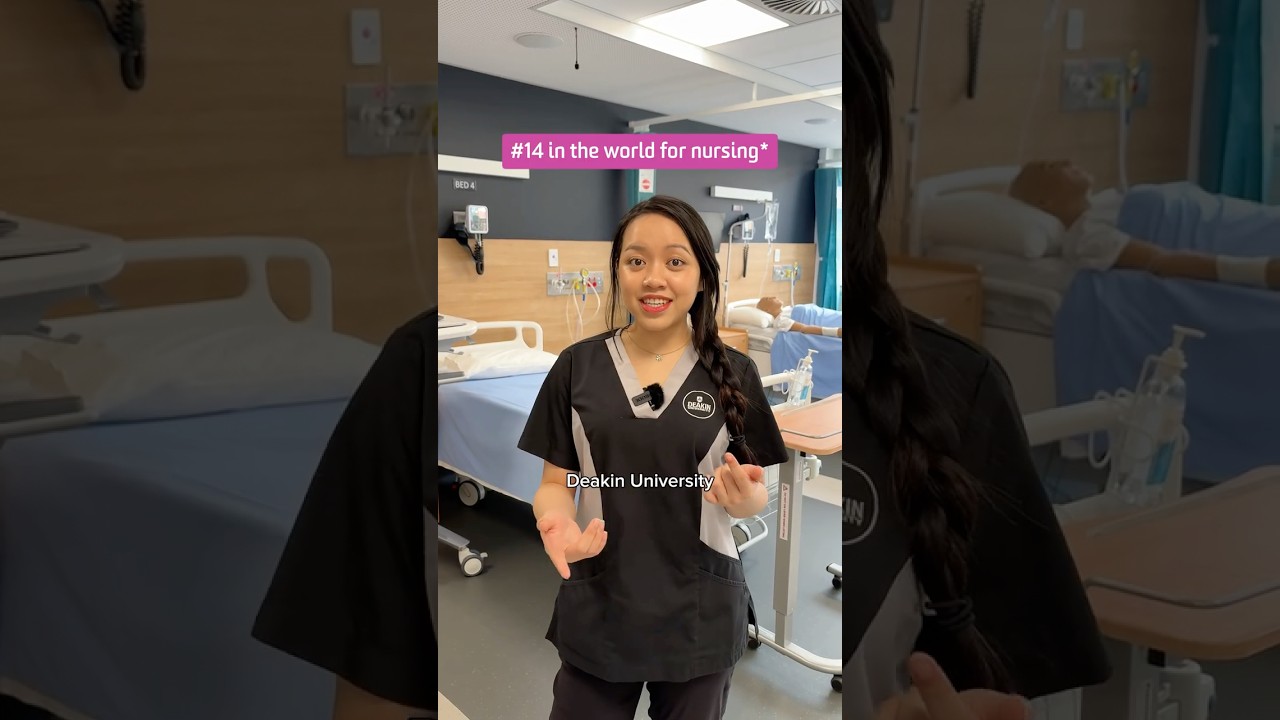
Ranked #13 in the world for nursing, Deakin prepares you to deliver safe, high-quality, patient-centred care across diverse healthcare settings. Gain the ethical understanding, knowledge and practical skills to apply to become a registered nurse with Deakin’s Bachelor of Nursing and make a difference in people’s lives.
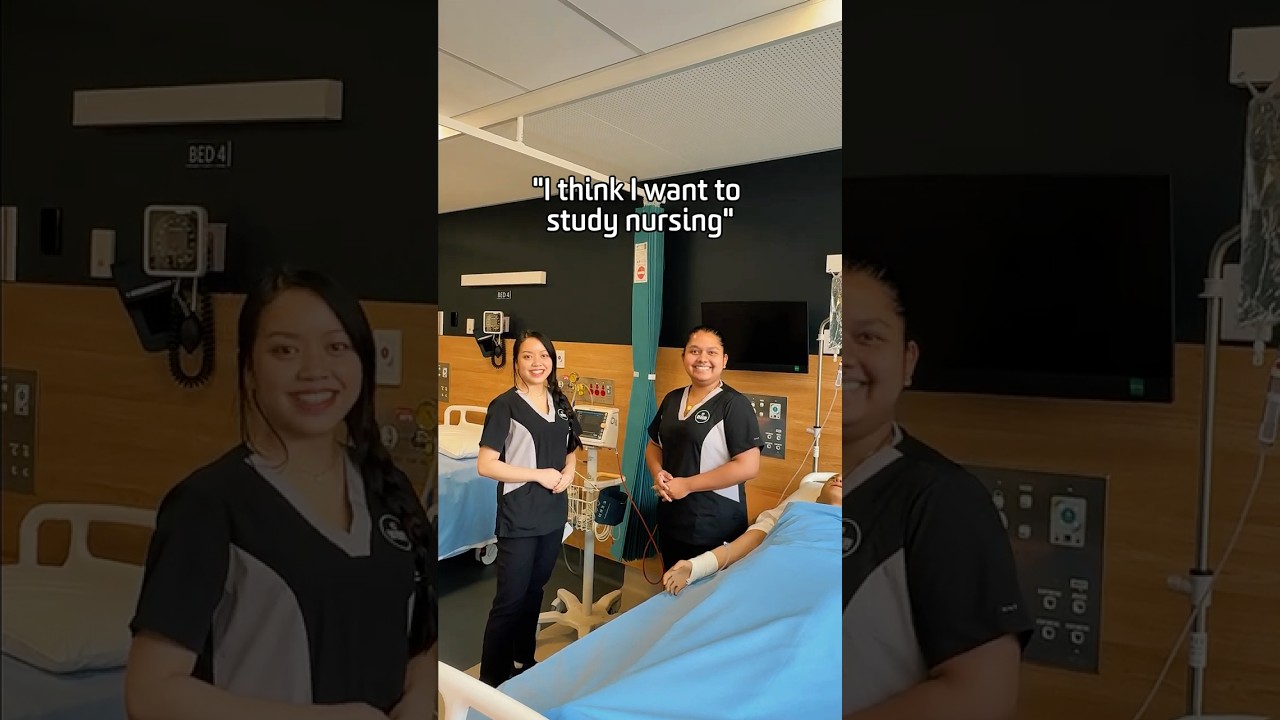
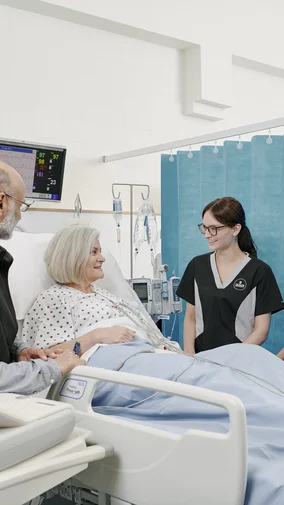
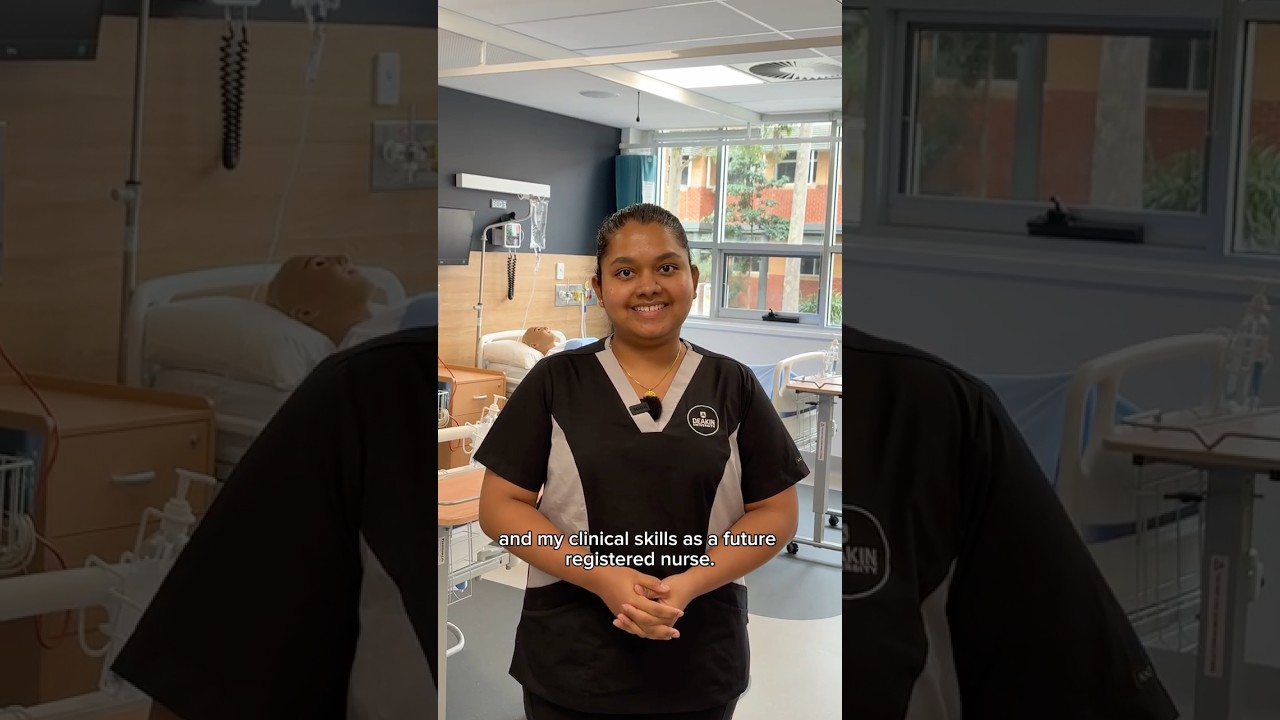
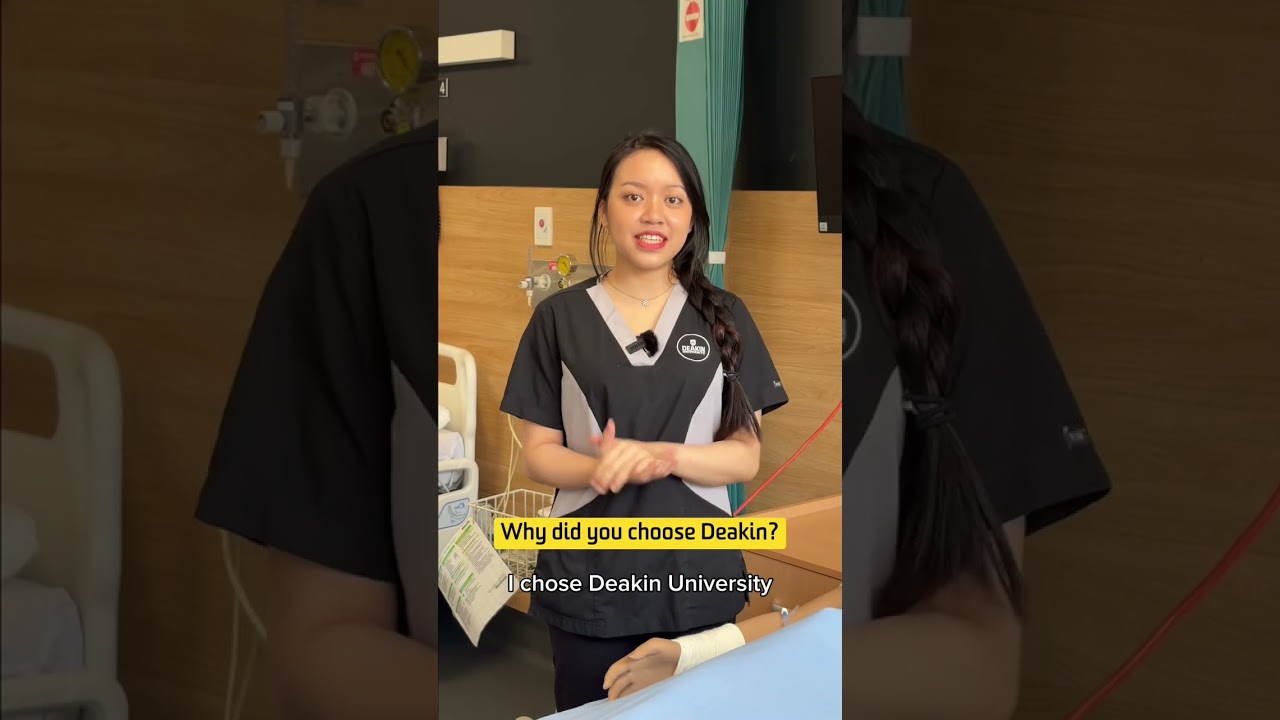
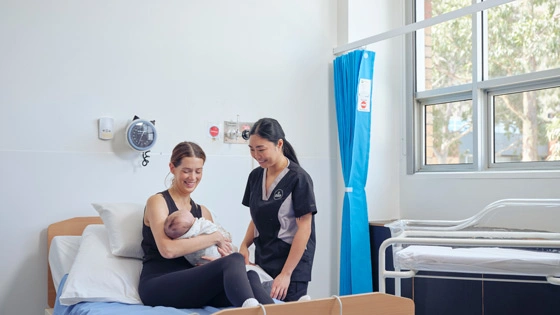
Our state-of-the-art clinical simulation centres replicate real health facilities and prepare you for 800 hours of professional experience placements during your course. Starting in your first trimester and continuing each trimester, placements provide hands-on learning in metropolitan, regional and rural settings. Supported by experienced clinicians and supervised by registered nurses, you will work within multidisciplinary teams across settings such as acute and sub-acute care, medical and surgical care, aged care, rehabilitation, paediatrics, community health and mental health. These experiences build the skills and confidence to thrive in healthcare.
-
Proven employability
Study nursing at a university ranked #14 in the world and graduate with a degree recognised by healthcare employers.
-
Practical learning from your first trimester
Complete 800 hours of supervised clinical placements in metropolitan, regional and rural settings across your degree.
-
High-quality simulation facilities
Learn in state-of-the-art clinical simulation centres designed to reflect contemporary hospital and community care.
-
Industry-shaped and accredited
Graduate eligible to apply for registration with the Nursing and Midwifery Board of Australia (NMBA), supporting pathways to practice in Australia.


Connected to industry
Deakin’s strong industry connections help shape your learning. Build practical experience in real workplace contexts through work-integrated learning, mentoring and networking opportunities. Industry advisory boards also help shape our degrees, which means what you study is current, relevant and aligned to what your future employers need.

Deakin puts employability first
Career outcomes
Prepare for diverse nursing careers across hospitals, community health, primary care, mental health and specialist practice settings.
Registered nurse
Provide person-centred care, coordinate treatment and support health outcomes across hospitals, community services and specialist settings.
- $95k
Typical annual salary in Australia
- 13.7%
Projected job growth in 5 years


Clinical nurse specialist
After further training, become a clinical nurse specialist and deliver advanced nursing care and support complex clinical decision-making.
- 13.7%
Projected job growth in 5 years
- $120k
Typical annual salary in Australia
Other jobs
- Community nurse
- Practice nurse
- Aged care nurse
- Nurse educator
- Research nurse
- Nurse unit manager



“Studying nursing at Deakin has been incredibly hands-on. The clinical placements every trimester have helped me become job-ready and confident to enter the workforce as a registered nurse.”
Chloe, PhilippinesBachelor of Nursing
Stories that start here

FAQs
Nursing and midwifery students can practise in clinical simulation centres at Burwood, Geelong Waterfront and Warrnambool. These purpose-built spaces include simulation wards, clinical spaces, treatment rooms and high-fidelity equipment that help you develop safe, person-centred care skills before and during professional placements.
Deakin's Bachelor of Nursing includes 800 hours of clinical placement, meeting the requirements set by the Australian Nursing and Midwifery Accreditation Council (ANMAC). Placements span a range of settings including acute care, community health, aged care and mental health. All students complete the same placement requirements.
To register as a nurse in Australia, you must complete an ANMAC accredited nursing degree and apply to the Nursing and Midwifery Board of Australia (NMBA) via AHPRA. Deakin's Bachelor of Nursing is ANMAC accredited, meeting the academic requirements for registration. You will also need to demonstrate English language proficiency and meet the Board's eligibility requirements before registration is granted.
Deakin's Bachelor of Nursing includes 800 hours of supervised clinical placement across a range of healthcare settings, including hospitals, aged care facilities, community health and mental health services. Placements begin in the first year and build progressively, so you develop clinical competence and confidence alongside your theoretical knowledge.
Related courses



*Deakin references data from a range of government, higher education and reputable media sources. Learn more about our achievements on our University rankings page, or explore our sources page for supporting references.
What will I study in the Bachelor of Nursing?
This degree prepares you for nursing practice and will enable you to apply for registration as a registered nurse with the Nursing and Midwifery Board of Australia (NMBA) once you graduate. Over three years, you will combine scientific learning with required clinical practice placements in diverse healthcare settings.

Foundations of nursing practice
Human biosciences
Develop knowledge of anatomy, physiology and pathophysiology to support accurate patient assessment and safe clinical decision-making.
Fundamentals of nursing care
Learn core skills in communication, patient assessment and delivery of safe care in simulated and supervised settings.
Professional practice and placement
Begin your clinical placements in your first trimester, caring for people from diverse backgrounds in various metropolitan, regional and rural healthcare settings.
Developing clinical capability
Clinical assessment and decision-making
Apply systematic assessment frameworks to recognise and respond to changes in patient condition.
Care across the lifespan
Examine nursing practice in acute, chronic and community health contexts across diverse population groups.
Clinical placements
Undertake progressively complex supervised placements in hospital and community healthcare settings.
Consolidation of practice
Complex and acute care
Apply advanced clinical reasoning to manage high-acuity patients with complex and multifaceted health needs.
Leadership and interprofessional collaboration
Develop skills in delegation, teamwork and coordinated care within multidisciplinary environments.
Transition to practice
Consolidate clinical capability through final placements that prepare you for graduate nursing roles.
Course structure
To complete the Bachelor of Nursing, you must pass 24 credit points.
Most units are equal to one credit point. As a full-time student you will study four credit points per trimester and usually undertake two trimesters per year.
Are you a current student? For course information that applies to the year you started your degree, visit the handbook.
All students are required to meet the University's academic progress and conduct requirements
Units
Year 1 - Trimester 1
Trimester 2
Year 2 - Trimester 1
Students must complete HNN217 and HNN222 in the same trimester
plus one elective/course elective unit
Trimester 2
Students must complete HNN215 and HNN227 in the same trimester
plus one elective/course elective unit
Year 3 - Trimester 1
plus one elective/course elective unit
Trimester 2
Students must undertake one elective unit from the list below. For the two other elective units, students may take electives from any School of the University provided that prerequisites are met. At least one of the three electives must be taken at level two or three. Students must select units in consultation a Student Adviser in Student Central.
International study tour course elective:
Inter Professional Education (IPE) course elective:
Other course elective units:
You can choose up to two open elective units from within the Bachelor of Nursing or other disciplines across the University (subject to meeting unit pre-requisites)
Professional recognition
On successful completion of your course, you will be eligible to apply for registration as a Registered Nurse with the Nursing and Midwifery Board of Australia (NMBA).
The NMBA has mandatory registration standards that applicants need to meet to be registered. Core registration standards are available on the NMBA website.
This course is accredited with the Australian Nursing and Midwifery Accreditation Council (ANMAC) and is an NMBA approved course.

What to expect while studying
You may be able to study available units in the optional third trimester to fast-track your degree, however your course duration may be extended if there are delays in meeting course requirements, such as completing a placement.
Department of Health – Safety Screening Requirements - Police Record Check, Working With Children Check and Immunisation Status
Police Record Check
In accordance with the Department of Health policy, all students are required to undertake a Police Record Check prior to professional experience placements in each calendar year of their course. Students who fail to obtain a Police Record Check prior to the commencement of professional experience placement will not be able to undertake professional experience placement and this will impede progress in the course.
Working With Children Check
In accordance with the Worker Screening Act 2020, all students are required to undertake a Working with Children Check at the commencement of their course. Students who fail to obtain a Working with Children Check prior to the commencement of professional experience placement will not be able to undertake professional experience placement and this will impede progress in the course.
Immunisation Status
Students are required to declare their immunisation status to satisfy the requirements of health organisations where they will be undertaking their clinical learning experience. A health organisation may refuse to accept a student for placement if the student’s immunisation status is not satisfactory to the health organisation.
As a student in the Faculty of Health you can expect to participate in a range of learning activities each week. This may include lectures, seminars, simulations, and online interaction. You can refer to the individual unit details in the course structure for more information. You will also need to study and complete assessment tasks in your own time.
Professional experience placement can occur at any time, including during the standard holiday breaks.
There is an expectation that you are available to undertake professional experience placements outside of trimester dates. All expenses associated with professional experience placements are your responsibility.
In order to participate in on-campus learning activities, and to safely engage in placements in clinical environments, there are a number of skills and functions that students need to be able to demonstrate, with or without reasonable adjustments. These skills and functions are known as Inherent Requirements. Find out more about the School of Nursing and Midwifery’s Undergraduate Courses Inherent Requirements.
To discuss these requirements and the adjustments we can provide to support your success, please contact the Disability Resource Centre.
Professional experience practice
Professional experience placements are conducted throughout your course beginning in Trimester 1 of your first year. This early exposure to the clinical environment gives you extensive opportunities to develop clinical skills under the supervision of registered nurses and enables you to experience being part of a multidisciplinary health care team. You will gain clinical experience in a variety of settings including acute/sub-acute care, medical and surgical care, aged care, rehabilitation, community nursing and mental health nursing. These may be undertaken in hospitals and community health settings in metropolitan, rural and regional areas.
To be eligible to undertake placements, you are required to supply mandatory documents (prerequisites) including police checks, working with children check and immunisation status.
At Deakin, we're committed to ensuring an inclusive environment that supports all students to belong, thrive and succeed. We work closely with students, where needed, to identify potential barriers to participation and where possible, provide tailored support so students can engage with learning and assessment activities.
If you are neurodivergent, have a disability, health condition or mental health condition that may impact your study or participation in university life, and want to know how Deakin could support you, contact our Domestic students (opens in a new window) or International students (opens in a new window) or Disability Resource Centre (opens email client) teams for a collaborative and confidential discussion. This discussion is to support you to make plans for your studies and future career and will not have any bearing on your application to the course.
When can I start?
When you study depends on your course, location and available intakes. Check the table to see when you can start and how study is offered throughout the year.
Your course learning outcomes describe the knowledge, skills and capabilities you’ll develop and be able to demonstrate by the time you graduate. Built into your course through your units and assessments, they provide a clear picture of what you’ll be equipped to know, understand and do – preparing you to apply your learning with confidence beyond university.
| Course Learning Outcomes |
|---|
| Think critically, analyse and apply evidence and evaluate outcomes to inform safe and quality nursing practice. |
| Foster effective therapeutic and professional relationships to ensure safe and quality care across the lifespan. |
| Exhibit professionalism through self-management and engagement with feedback to maintain capability for practice of self and others. |
| Apply nursing knowledge and capability in accordance with professional, legal and ethical requirements to deliver comprehensive, safe and quality care based on best available evidence. |
| Provide person-centred, culturally safe, and respectful nursing care that upholds the rights, dignity, and wellbeing of all people, enriched by Aboriginal and Torres Strait Islander Peoples’ cultures and knowledges, and responsive to the diversity of all communities. |
| Critically and ethically apply digital technologies to locate, interpret and disseminate information and deliver safe and quality care. |
- Award granted
- Bachelor of Nursing
- Year
2027 course information
- VTAC code
- 1400414353 - Waterfront (Geelong), International full-fee paying place
1400514353 - Burwood (Melbourne), International full-fee paying place
1400714353 - Warrnambool, International full-fee paying place - Deakin code
- H326
- CRICOS code?Commonwealth Register of Institutions and Courses for Overseas Students
- 018327G Burwood (Melbourne), Waterfront (Geelong), Warrnambool
- Level
- Undergraduate
- Australian Qualifications Framework (AQF) recognition
The award conferred upon completion is recognised in the Australian Qualifications Framework at Level 7
Apply now

Apply directly to Deakin
Apply directly through StudyLink Connect. Depending on your location, you may need to apply through a Deakin Authorised Agent, who can support and submit your application.
See our guide to applying to Deakin for application steps and requirements.

Apply through VTAC
If you are an international student completing an Australian Year 12 in Australia or overseas, you must submit an application through the Victorian Tertiary Admissions Centre (VTAC). In addition, you may also apply directly to Deakin through StudyLink Connect - Deakin University's international student application service.
Recognition of prior learning
We value your previous study and experience. Recognition of prior learning enables you to get credit for what you've already achieved. When you apply, we'll consider your previous study and experience for recognition of prior learning.
Normal University regulations and guidelines will pertain to students who apply for Recognition of prior learning. The Deakin University policy on Recognition of prior learning states that students will be provided with the maximum credit for relevant approved post-secondary study, or informal learning, which exceeds the normal entry requirements for the relevant course.
This may include previous completed or incomplete degrees, diplomas, TAFE awards and, in particular, a Diploma of Nursing. Students with Division 2 registration, or are eligible to register are entitled to apply for a maximum of eight (8) credit points of Recognition of prior learning. In all cases, credit will need to be determined on a case-by-case basis with a maximum credit granted being consistent with University policy (Deakin University, Recognition of prior learning policy and procedure, July 2003) and the guidelines for Recognition of prior learning as approved by the Nursing and Midwifery Board of Australia.
International students who received 8 credit points recognised prior learning (RPL) must commence their studies in Trimester 1 only. Should students choose to intermit their studies for their first trimester, they must intermit for a full year. Please obtain further clarification by contacting a Student Adviser in Student Central enquire.