
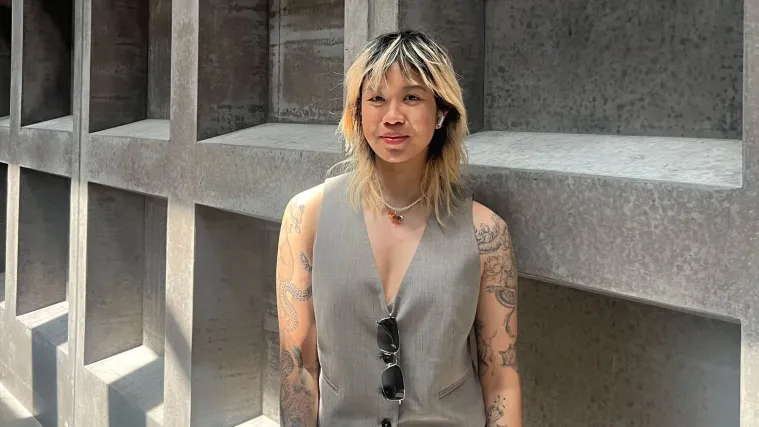
Faa's story
This is not an easy story to tell, but it is one I wish I had encountered when I needed it most. I share it in the hope that it offers reassurance – proof that healing is possible, even when it feels distant or unattainable.
Six years ago, I appeared to be an ordinary university student. Beneath the surface, however, I was overwhelmed by anxiety, self-doubt, and a persistent dissatisfaction with my body. My thoughts were relentless, shaped by comparison and a deep sense of inadequacy, leaving little space for self-compassion.
At the time, I did not fully understand why control over food became so significant. Perhaps it offered certainty when other areas of my life felt overwhelming, or perhaps it was a way to cope with emotions I could not articulate. It became the one thing I felt I could fully control.
I spent my childhood and teenage years growing up in Asia, where media and cultural expectations often upheld rigid ideals of beauty and worth. Over time, these messages became internalised. What began as harmless behaviours around food gradually developed into an unhealthy fixation. Skipping meals became restriction; moderation became deprivation. Food, a basic human need, came to feel like a privilege rather than a right.
At the time, I did not fully understand why control over food became so significant. Perhaps it offered certainty when other areas of my life felt overwhelming, or perhaps it was a way to cope with emotions I could not articulate. It became the one thing I felt I could fully control. In hindsight, it is clear that what I believed I was controlling was, in fact, controlling me.
At 21, I experienced my first anxiety attack, followed by panic attacks and a diagnosis of depression the following year. The most confronting realisation was not the severity of those moments, but their familiarity. I had been living with anxiety for years without recognising it.
That awareness marked a turning point. Reaching out for help was difficult, but it was also an act of courage. With the support of my partner and guidance from health professionals, I began the gradual process of recovery. Step by step, I rebuilt my relationship with food, learned to listen to my body, and met myself with greater compassion.
Today, I treat my body with respect and gratitude – not because it is perfect, but because it supports me through every day. Healing did not mean returning to who I once was. It meant becoming someone stronger, more self-aware, and more hopeful. If you are struggling, know this: change is possible, support is available, and you are worthy of care, kindness, and respect – exactly as you are.
– Faa
Conversations about mental health and mental illness can sometimes be difficult, and reading about other people going through the same things as you might be confronting. If you need to talk, reach out to our counselling team.