
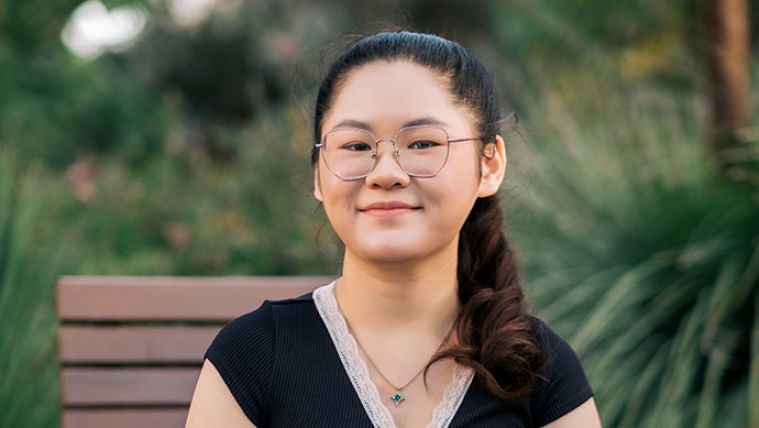
Vi's story
For a long time, I blamed my trauma for the person I became. It was easy to do. It was easier to say, 'I am like this because of what happened to me,' and hope that explanation would earn understanding, forgiveness, or permission to move on. Sometimes, it did. But over time, I learned something harder to accept: trauma can explain behaviour, but it does not excuse everything.
Being assaulted when I was young was not my fault. But it exposed me to sexuality far earlier than I was ready for, blurring my sense of what was normal and safe. That experience shaped how I viewed my body and my worth, and it contributed to patterns of sexual recklessness later in life. Still, when I made choices I wasn’t proud of, those choices were mine to own. Trauma influenced my behaviour, but it did not take away my autonomy.
Growing up, I was teased relentlessly for my weight and acne. That pain made me hyper-aware of appearances, both my own and other people’s. The scars were real. But when I judged others based on how they looked, I was repeating the harm I had experienced. Trauma shaped my lens, but I still chose whether to project that hurt outward. At home, my self-esteem was constantly destabilised. My mother criticised me in private but praised me in public, leaving me swinging between confidence and worthlessness. I craved validation yet distrusted it, becoming jealous, petty, and constantly comparing myself to others.
Trauma is real. It leaves marks that do not fade easily. It explains why we act the way we do, but it does not excuse our actions.
When my life unravelled further, with my parents facing prison charges and my mental health deteriorating, I stopped caring about consequences altogether. In that state, I made one of my worst decisions: I hired someone to complete several of my university assignments. When I was caught, I faced expulsion and could no longer hide behind explanations. I was forced into a choice: remain trapped in excuses, or accept responsibility and change. I accepted the penalties. I sought support. I connected with the Disability Resource Centre, began medication and counselling, and finally allowed myself to be helped. That choice changed everything.
Taking responsibility did not erase my trauma, but it gave me agency. It led me to support other students and ensure they knew help existed before desperation took over. It gave me the courage to step into student leadership and advocate for systems that support, rather than punish, students in distress. Trauma is real. It leaves marks that do not fade easily. It explains why we act the way we do, but it does not excuse our actions. What defines us is whether we recognise our autonomy, the power to choose differently. The moment I realised I still had a choice was the moment my life changed direction.
– Vi
Conversations about mental health and mental illness can sometimes be difficult, and reading about other people going through the same things as you might be confronting. If you need to talk, reach out to our counselling team.