
Joycely
Hi, I’m Joycely!
My name is Joycely, and I’m an ArtsEd Peer Mentor at Deakin. I’m currently in my third year, studying Psychology and Education. I joined the Peer Mentoring Program in 2023, and since then I’ve had the privilege of supporting over 120 students throughout their university journey.
Being a mentor has been one of the most meaningful parts of my time at Deakin, and I’m excited to share a little about my experience and why this program means so much to me.
I first joined the Peer Mentoring Program as a mentee, and I still remember how welcomed and supported I felt from day one. The program coordinator, the mentors, and even other mentees created such a warm, friendly environment that instantly made university feel less scary. My mentor at the time provided genuine guidance and reassurance, and because of that experience, I made friendships that have stayed with me to this day.
That sense of belonging, and the fact that people believed in me before I believed in myself, is what inspired me to come back as a mentor in my second trimester. I wanted to give back what I received. I wanted to help create the same safe, inclusive space where everyone can express themselves openly, especially when Uni feels overwhelming or unfamiliar. Becoming a mentor felt like a natural way to pass that kindness forward.
For me, being a mentor isn’t about telling mentees what to do; it’s about walking beside them. It’s about holding up a mirror so they can see who they already are, and encouraging them to grow at their own pace.
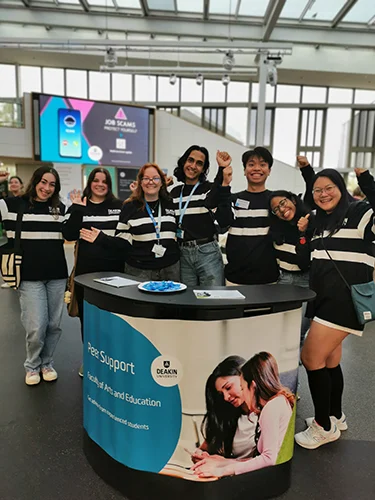
One moment that really stayed with me was when I met a mentee at an in-person event. He was genuinely curious about connecting with others, learning more about university life, and even potentially becoming a mentor himself one day. I introduced him to different clubs, societies, and opportunities that might match his interests, and I encouraged him to consider mentoring when he felt ready.
Today, he is not just a mentor, but a Senior Mentor who now supports new mentors and mentees throughout their own journeys. Seeing someone step into their potential like that is the core of what mentoring is for me. It’s more than providing resources, it’s seeing their strengths, believing in them, and watching them bloom in their own time. We inspire each other, and we grow together.
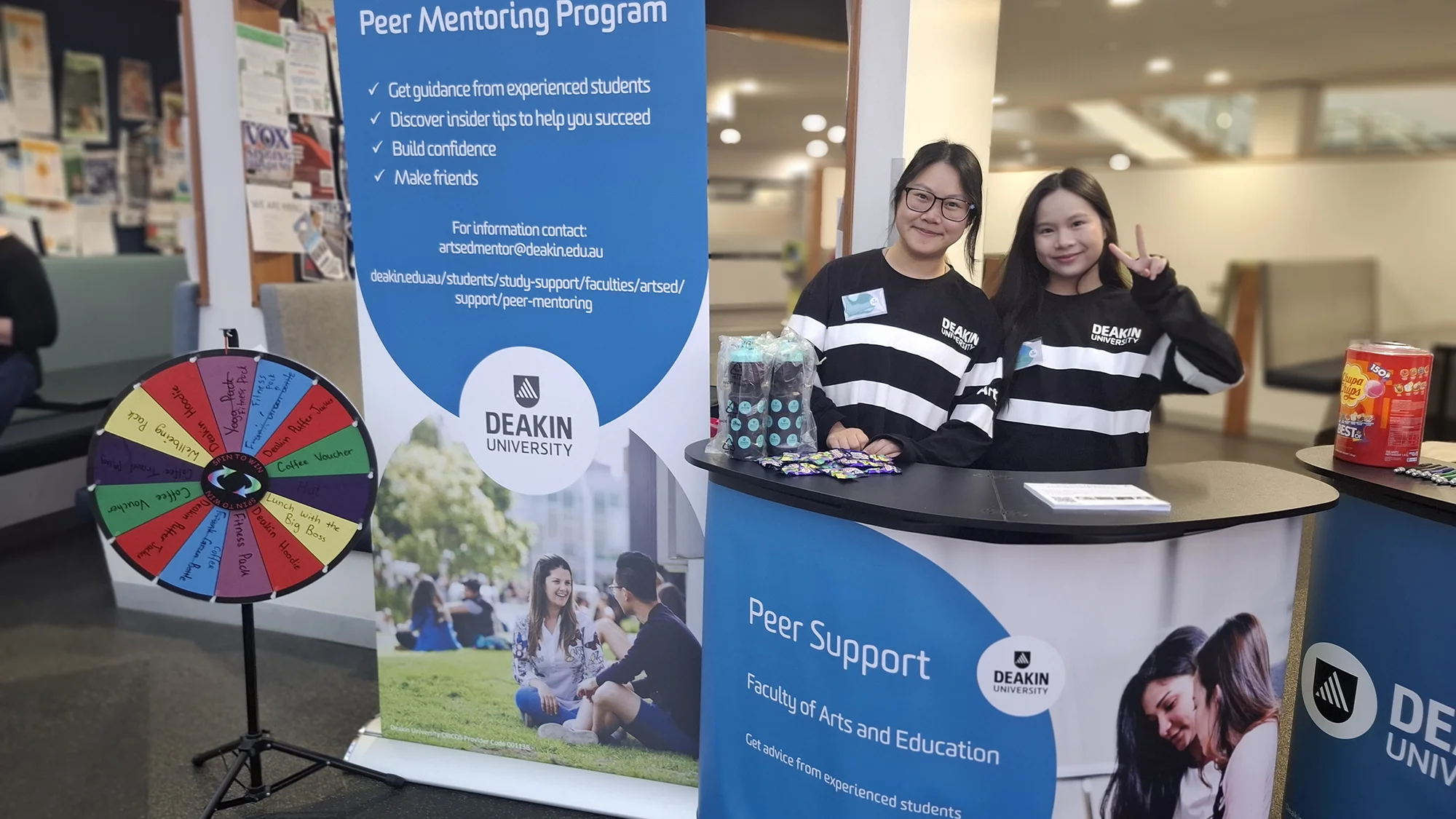
Mentoring has completely reshaped the way I experience university. I’ve had the chance to meet so many like-minded peers: people who care deeply, who show up for others, and who value community the same way I do. It helped me feel more connected, more confident, and more at home in the university environment.
It also gave me a sense of purpose during times when Uni felt stressful or overwhelming. Supporting others reminded me why I chose my degree, why I care so much about mental health and education, and why creating safe spaces really matters.
One of the biggest skills I’ve developed is time management – balancing classes, assignments, mentoring responsibilities, and personal wellbeing has taught me to stay organised and intentional with my time.
But beyond that, I’ve strengthened skills like:
- Clear communication
- Active listening
- Empathy and cultural awareness
- Leadership and teamwork
- Problem-solving under pressure
These are skills that stay with you long after a trimester ends.
Mentoring has helped me grow in ways I never expected. Personally, it has strengthened my confidence and helped me trust myself more. I’ve learned how to support others while maintaining healthy boundaries, communicate with clarity and empathy, and create safe spaces where people feel heard. It’s taught me to lead with kindness, patience, and emotional awareness, skills that are essential both in life and in my future career in psychology.
Professionally, mentoring has opened so many doors for me. It has allowed me to connect and collaborate with students and staff from different faculties, and gain hands-on experience that goes far beyond the “learning” phase of university. Through the program, I’ve had opportunities to co-host events, MC sessions, speak at student panels, and contribute to initiatives that directly support student wellbeing and engagement.
These experiences have helped me develop leadership skills, public speaking confidence, and a strong sense of purpose as a future mental health professional. Mentoring didn’t just help me grow, it helped me step into the version of myself that I always hoped to become.
My message is simple: We’re here for you – whenever you’re ready.
Joining the program doesn’t mean you have to commit to anything big. It’s not about forcing anyone to join or attend everything. It’s about letting you know that support is available, people care about you, and there is a place where you can feel safe, understood, and welcomed.
If you’d like guidance, friendship, or someone to walk through the transition with you, become a mentee.
If you feel ready to support others, share your journey, or grow as a leader, become a mentor.
Whatever stage you’re at, there’s a role for you. And you never have to navigate Uni alone.