
National Skin Cancer Action Week
Australia is known for its sunshine, but our high UV levels mean protecting your skin is essential. Held each November, National Skin Cancer Action Week (17-23 November 2026) raises awareness of sun safety and the importance of finding skin cancer early.
Most skin cancers can be prevented through everyday sun protection habits. Yet skin cancer remains a significant health issue in Australia, accounting for around 80% of newly diagnosed cancers, with more than 2,000 Australians losing their lives to skin cancer each year.
UV radiation can damage your skin in as little as 15 minutes when the UV Index is 3 or above. And while sunburn is an obvious warning sign, UV damage can happen even when it doesn't feel particularly hot.
The good news is that small, consistent habits can make a big difference. From checking the UV Index before heading outdoors to keeping an eye on changes to your skin, there are simple ways to reduce your risk.
As part of Deakin’s Student Health and Wellbeing Framework, National Skin Cancer Action Week supports the Personal safety theme by helping you understand your skin cancer risk, protect yourself from harmful UV radiation and recognise potential warning signs early.
Get a free skin cancer check
Deakin is partnering with Bupa Wellness to offer students free Level 2 skin cancer checks at the Burwood and Waurn Ponds campuses during National Skin Cancer Action Week. Appointments are limited, so book early to secure your spot.
Five simple ways to protect yourself
When the UV Index reaches 3 or above, it's time to protect your skin. Remember these five SunSmart steps whenever you're heading outdoors.
Slip on sun-protective clothing that covers as much skin as possible, ideally made from closely woven fabric or with a high ultraviolet protection factor (UPF) rating.
Slop on broad-spectrum, water-resistant SPF50+ sunscreen 20 minutes before heading outdoors. Reapply every two hours, and after swimming, sweating or towelling off.

Slap on a broad-brimmed hat that protects your face, head, neck and ears
Seek shade under trees, umbrellas, or awnings, especially when UV levels reach 3 or higher. Remember that shade doesn't block all UV radiation, so combine it with other protective measures.
Slide on sunglasses, ideally close-fitting, wraparound sunglasses that meet Australian and New Zealand standards to help protect your eyes and the surrounding skin.
Get to know your skin
Sun protection helps prevent skin damage, but knowing what's normal for your skin is important, too.
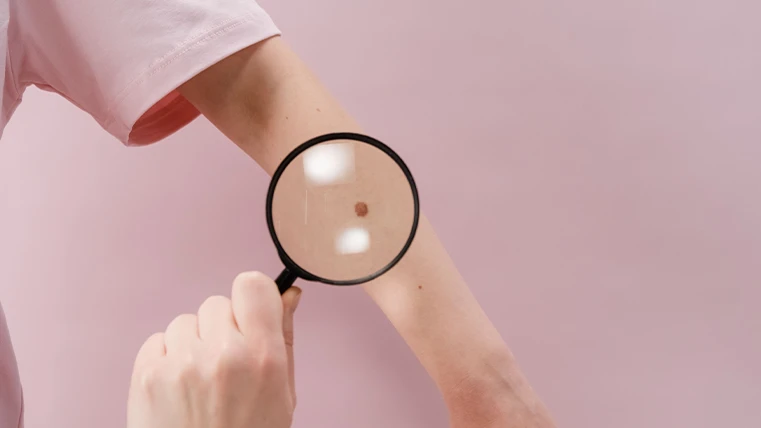
- Make time to check your skin regularly, looking for new spots or changes in the size, shape, colour or texture of existing spots. Look out for anything that looks different from your other spots, a sore that doesn't heal, or a spot that becomes itchy, tender or bleeds.
- Check your whole body, including areas that don't usually see the sun. A mirror or a trusted person's help can make it easier to check hard-to-see areas.
- If you notice something new or changing, or a spot that concerns you, book an appointment with your GP promptly. You don't need to wait for your next routine check. Early detection can improve treatment outcomes.
Explore more skin health resources
-
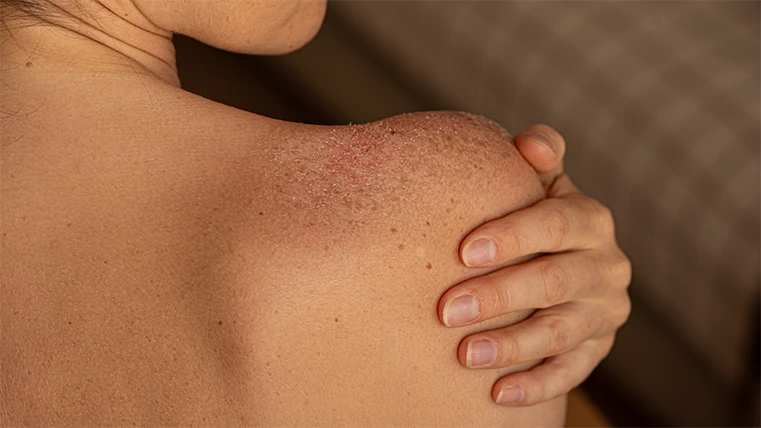
Tanning isn’t worth the risk
A tan is a sign of skin damage, not a sign of health. Learn how UV exposure causes damage and why it's worth rethinking tanning trends.
-
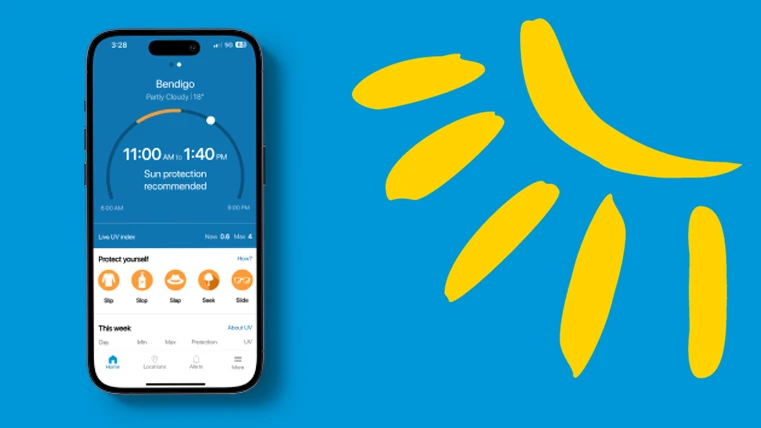
Check the UV before you head out
Download the free SunSmart Global UV app to check local UV levels and find out when sun protection is recommended.
-
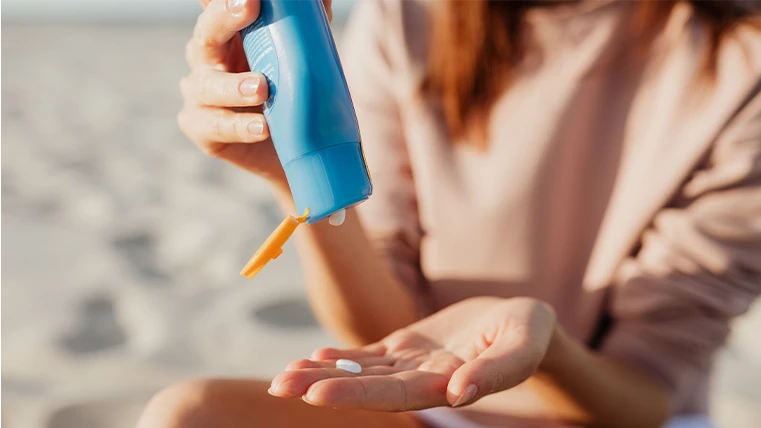
Sun safety essentials
Learn how to reduce your skin cancer risk, understand UV levels and make sun protection part of your everyday routine.
-

Skin Checks: everything you need to know
Understand why early detection matters, what signs to look out for and where to seek advice if you're concerned about your skin.
-
Find your local MoleMap skin detection clinic
MoleMap is a skin cancer screening service that’s available Australia-wide.
-

How SunSmart are you? Take the quiz
Test your sun safety knowledge and see where you could make small changes to better protect your skin.
National Skin Cancer Action Week is recognised as part of Deakin’s Student Health Promotion Program. For further information, please email student.healthpromotion@deakin.edu.au.