
Reset and Reconnect
Build a healthier relationship with technology.
Technology is a big part of everyday life – from studying and staying connected with friends, to accessing support and managing daily tasks. But when we’re constantly connected, it can sometimes leave us feeling distracted, overwhelmed or like we never really switch off.
Reset and Reconnect is about finding a digital balance that works for you. Rather than disconnecting completely, this campaign encourages you to reflect on your digital habits and explore small, practical changes that support your wellbeing, focus, sleep and connection.
Whether it’s creating a phone-free moment, adjusting your notifications, or simply becoming more aware of when and how you use your devices, small changes can help you build a healthier relationship with technology.
Why digital balance matters for study and wellbeing
- Focus and productivity
- Sleep and recovery
- Stress and mental wellbeing
- Social connection
- Building healthier habits
Constant notifications, multitasking and switching between apps can make it harder to concentrate and may increase the time it takes to complete tasks. Many students also find themselves reaching for their phone automatically during study sessions without realising it. Becoming more aware of your digital habits can help you identify when technology is helping you learn and when it may be pulling your attention away from the task at hand.
Many of us use our phones right up until bedtime, but screen use late at night can make it harder to switch off and get quality sleep. Building small wind-down habits, such as reducing scrolling before bed, can support better rest and recovery.
Being constantly connected can sometimes leave us feeling mentally overloaded. Messages, notifications, social media and endless streams of information can make it difficult to fully switch off. Taking intentional pauses throughout the day can help create space to recharge and reset.
Digital wellbeing isn't about perfection or completely disconnecting. Small changes, such as turning off non-essential notifications, creating phone-free moments or setting boundaries around study and rest time, can help you build habits that work for your lifestyle.
Try a simple strategy to reset your focus and routine
Put your phone out of reach
If you're studying, sleeping or spending time with friends, try placing your phone in a bag, drawer or another room. Creating a little distance can help reduce the urge to check it automatically.
Turn off non-essential notifications
Notifications can constantly pull your attention away from what you're doing. Turn off alerts that aren't urgent or use Focus Mode or Do Not Disturb when studying, working or winding down for the day.
Create one phone-free moment each day
Choose a regular part of your routine and make it device-free. This could be your morning coffee, your commute, a walk around campus, mealtimes, or the hour before bed.
Check your screen time
Most phones include built-in tools that show how much time you spend on different apps. Taking a quick look at your screen time can help you identify habits you might not have noticed.
Make your phone less distracting
Try moving social media apps off your home screen, setting app time limits, or switching your phone to greyscale mode. Small changes can make mindless scrolling less automatic.
Replace scrolling with something else
If you're trying to reduce screen time, have an alternative ready. Try reading a book, journalling, going for a walk, listening to music, exercising, meeting a friend or exploring a campus activity.
Be intentional with your screen time
Not all screen time is the same. Watching a tutorial, joining an online community or video calling a friend can boost your wellbeing. Before opening an app, ask yourself: what am I hoping to get from this right now?
Start small
You don't need to delete social media or completely disconnect from technology. Pick one small habit to focus on. Building healthier digital habits is about awareness, balance and progress.
Explore more ways to create digital balance
-

Create healthier digital habits
Understand your screen use and set realistic goals for a more balanced relationship with technology.
-

Is social media affecting your wellbeing?
Recognise when your social media habits may be affecting your mood, focus, sleep or connection with others.
-
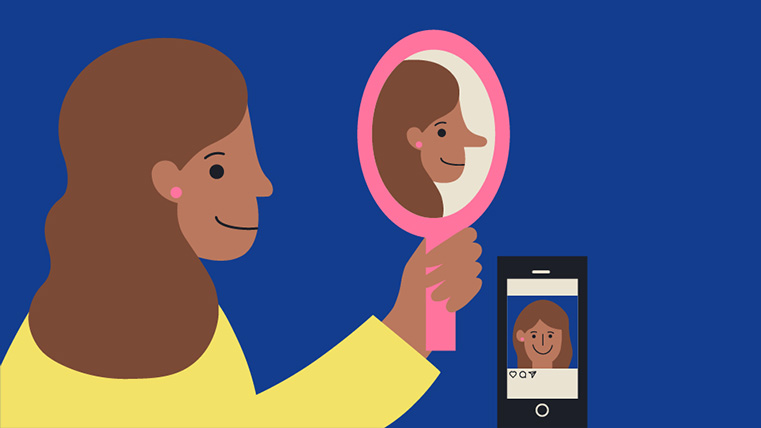
Navigate social media pressures
Explore ways to manage comparison, constant connectivity and online distractions while staying connected to what matters.
Find support, connection and balance at Deakin.
-
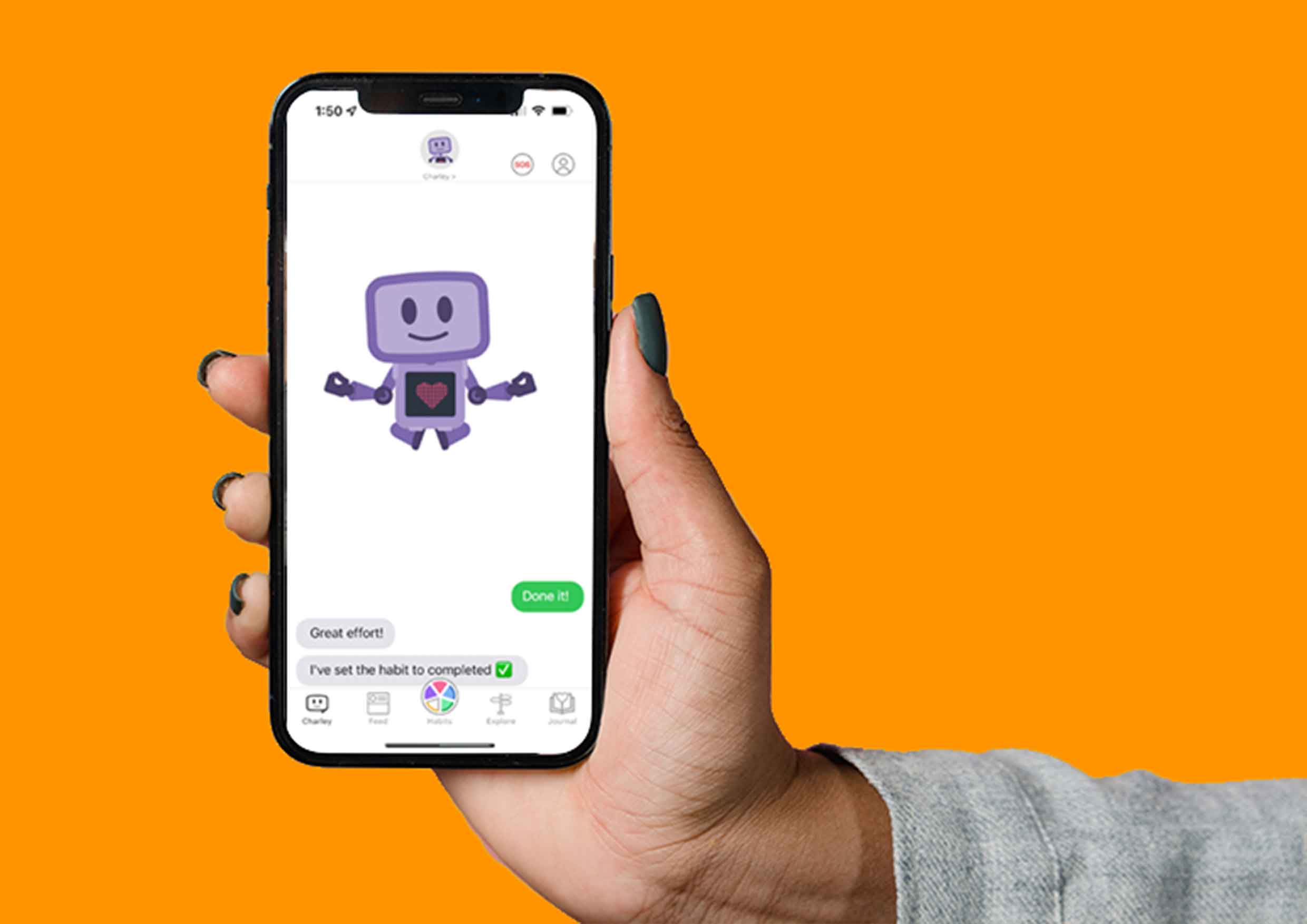
Build healthy habits with DeakinWELLBEING
Access tools, resources and activities to support your wellbeing, build positive habits and stay connected with support at Deakin.
-

Move your body and connect with others
Explore ways to stay active, meet new people and support your physical and mental wellbeing through sport and recreation.
-

Find your community at Deakin
Connect with other students through events, clubs, programs and opportunities that help you feel part of the Deakin community.
-
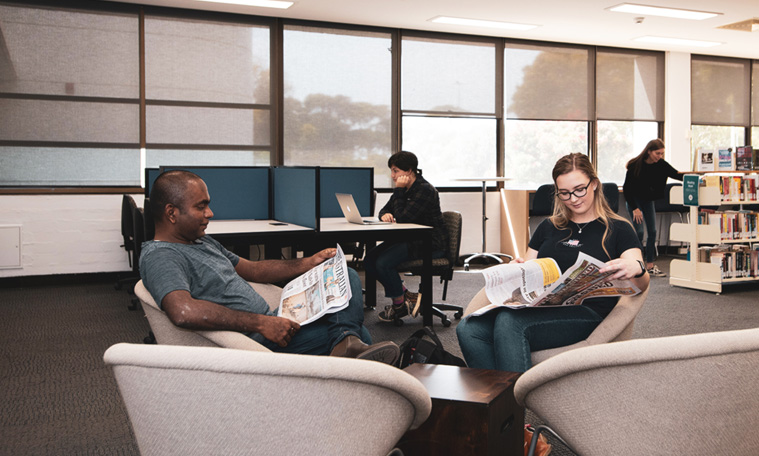
Create space to focus and recharge at Deakin Library
Explore library spaces designed to support study, reflection and wellbeing, including Reset Rooms, quiet spaces and reading areas.
Reset and Reconnect is an initiative of Deakin’s Student Health Promotion Program. For further information, please email student.healthpromotion@deakin.edu.au.