

Vape-free Deakin
Vaping – inhaling vapour using an e-cigarette – is a relatively new practice but is becoming a major health issue we can’t ignore.
An emerging body of research suggests vaping is becoming more common among young people, many of whom are trying it out of curiosity and the belief that it’s safer than smoking.
While the long-term health implications aren’t yet fully known, vaping can still put nicotine or other chemicals in your body, is addictive and can cause serious lung damage.
Ready to quit? You don't have to do it alone.
Dedicated quit support appointments are now bookable at the Deakin Medical Centre. Get confidential, non-judgemental support to help you cut back or quit vaping. Our Nurse can work with you to find an approach that suits you.
Deakin is supporting UNCLOUD
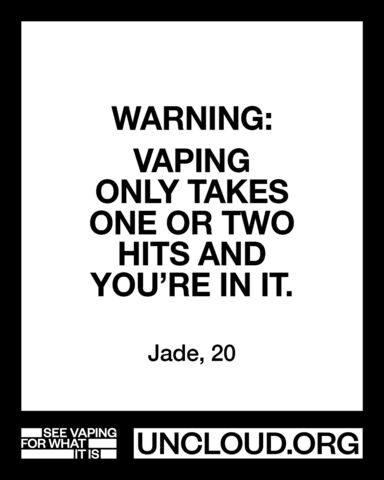
At Deakin, we’re continuing to shine a light on vaping prevention through UNCLOUD – a campaign focused on helping you understand the harms of vaping and feel supported to quit. Through UNCLOUD, you can access clear information, practical tools and support to help make informed choices about your health.
Sometimes, it's hard to know what to believe, so visit UNCLOUD now and see vaping for what it really is.

Deakin's smoking, vaping and tobacco free policy
Deakin says ‘no’ to smoking and vaping in and around our grounds, buildings and carparks. This is to keep our community healthy and ensure a clean and enjoyable campus experience for everyone.
Get the facts on vaping
- Vaping is harmful to your health. Research shows that people who vape are three times more likely to take up smoking later on.
- Vapes are addictive. Most vapes contain nicotine, one of the most addictive substances in the world. Nicotine reaches the brain within seconds, reinforcing cravings and dependence. Young people can become addicted more quickly than adults and may experience stronger withdrawal symptoms, making quitting harder than it seems.
- Vapes contain toxic chemicals. Vape liquids and aerosols can include hundreds of chemicals. Studies have identified substances also found in products like weed killer, paint stripper and cleaning agents, as well as heavy metals such as nickel and lead. Vape liquid is poisonous if swallowed or absorbed through the skin.
You don’t need to memorise all the science – the key takeaway is simple: vaping isn’t harmless, and the earlier you quit, the better it is for your health and wellbeing.
Dispose of your vape safely on campus
If you’ve got a vape you don’t want anymore, you might be wondering what to do with it. Throwing it in a regular bin isn’t the best option – vapes contain batteries and chemicals that can be harmful to people and the environment if they’re not disposed of properly.
As part of Deakin’s commitment to a smoke-free and vape-free campus, safe vape disposal bins are now available on campus, making it easier to dispose of your vape responsibly and take that next step forward.
Where to find the disposal bins
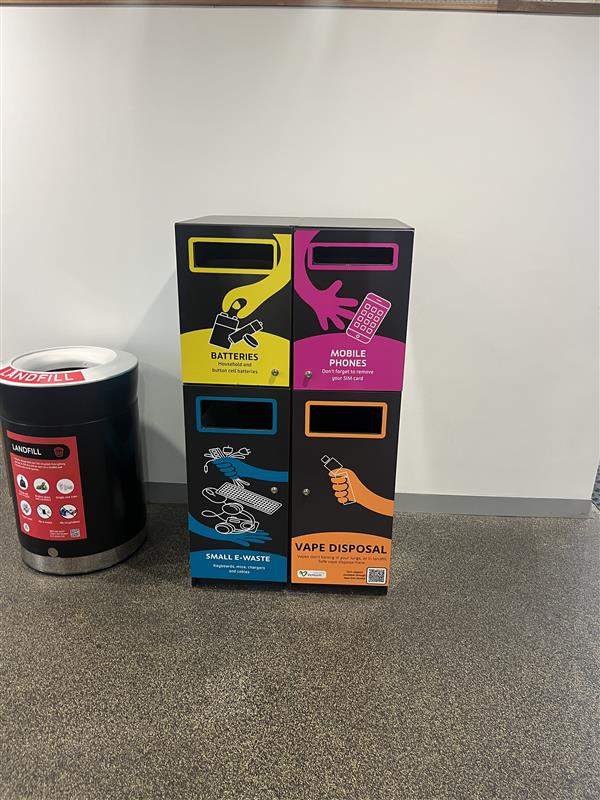
Burwood: Central Precinct, Building HF (near Student Central entrance)
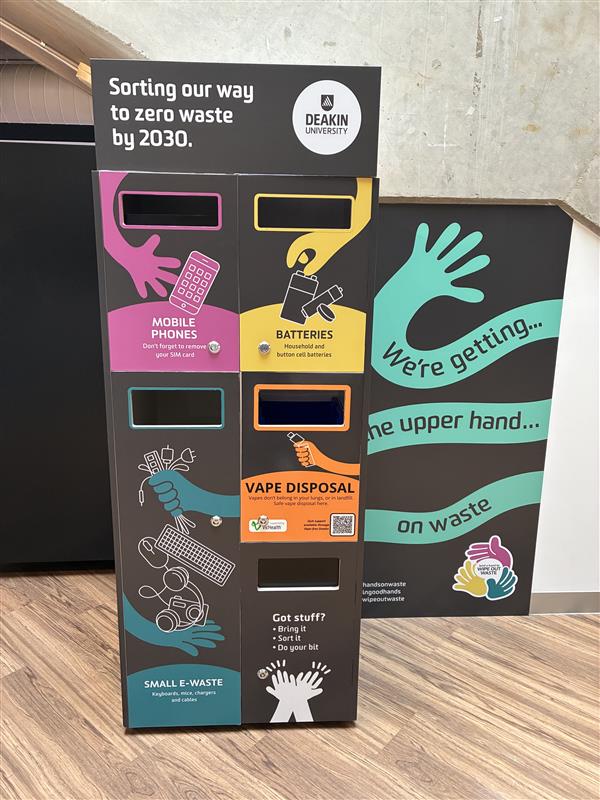
Waurn Ponds: Level 1, Building JB (across from Union Green Kitchen)
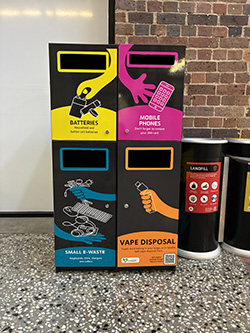
Waterfront: Level 2, Building D (across from lounge area beside Student Central)
Quit support tools
-
Create your quit plan
Take a step-by-step approach to build your quit plan. Go through each step to learn why you vape and identify your triggers, then choose a way to quit that works for you.
-
My QuitBuddy app
My QuitBuddy supports you to quit smoking and vaping with craving tools, progress tracking and trusted health information.
-
Cost calculator
How much is your vaping costing you? Calculate money you’ll save from the day you quit and how you could you use this money for a healthier, wealthier future.
-
Health effects on the body
Wonder what happens to different parts of your body when you vape? Uee this tool to understand the impact on your health.
You may be interested in
-

Vaping
If you are concerned about your use of vapes, or want support to quit, we encourage you to make an appointment with Deakin Medical Centre.
-
Quit Smoking
Your chance of quitting smoking successfully increases by 84% if you receive professional medical advice.
-

Addictions
Addiction is a treatable condition that involves the need to do, take, or use something despite the harm it may cause.
-
DeakinWELLBEING
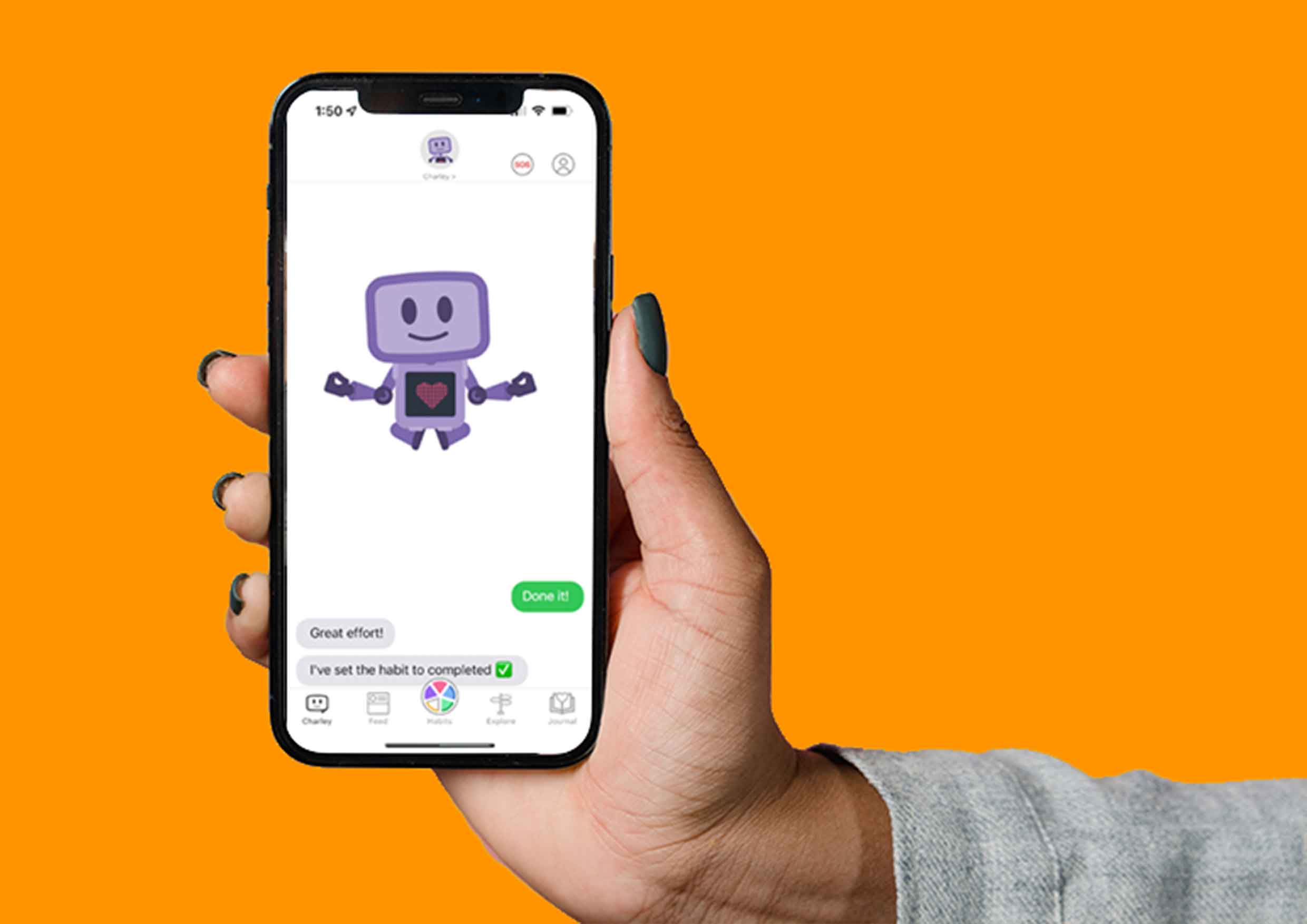
Develop better ways to manage stress, improve your resilience and build healthy habits that will assist you to achieve your personal best.